Products
Diaphragm Pumps
Piston Pumps
Drum Pumps
Centrifugal Pumps
Condensate Pumps
Lubrication Equipment
Filter Regulator Lubricators
Pneumatic Valves & Cylinders
Parts & Accessories
Services
Technologies
How Diaphragm Pumps Work
How Do Powder Pumps Work
Electric Diaphragm Pumps: An Overview
Piston Pump Working Principles
How Drum Pumps Work
Support
Diaphragm Pumps Product Selector
Piston Pump Selector Tool
Document Library
Chemical Compatibility Guide
Blog
AODD Manufacturer Comparison Guide
Knowledge Hub
On-Demand Webinars
ARO Product Park
Industries
General Manufacturing
Chemical Transfer
Lubrication
Energy
Mining
Data Centers
Food & Beverage
Other Industries
About Us
News
Blog
Become a Distributor

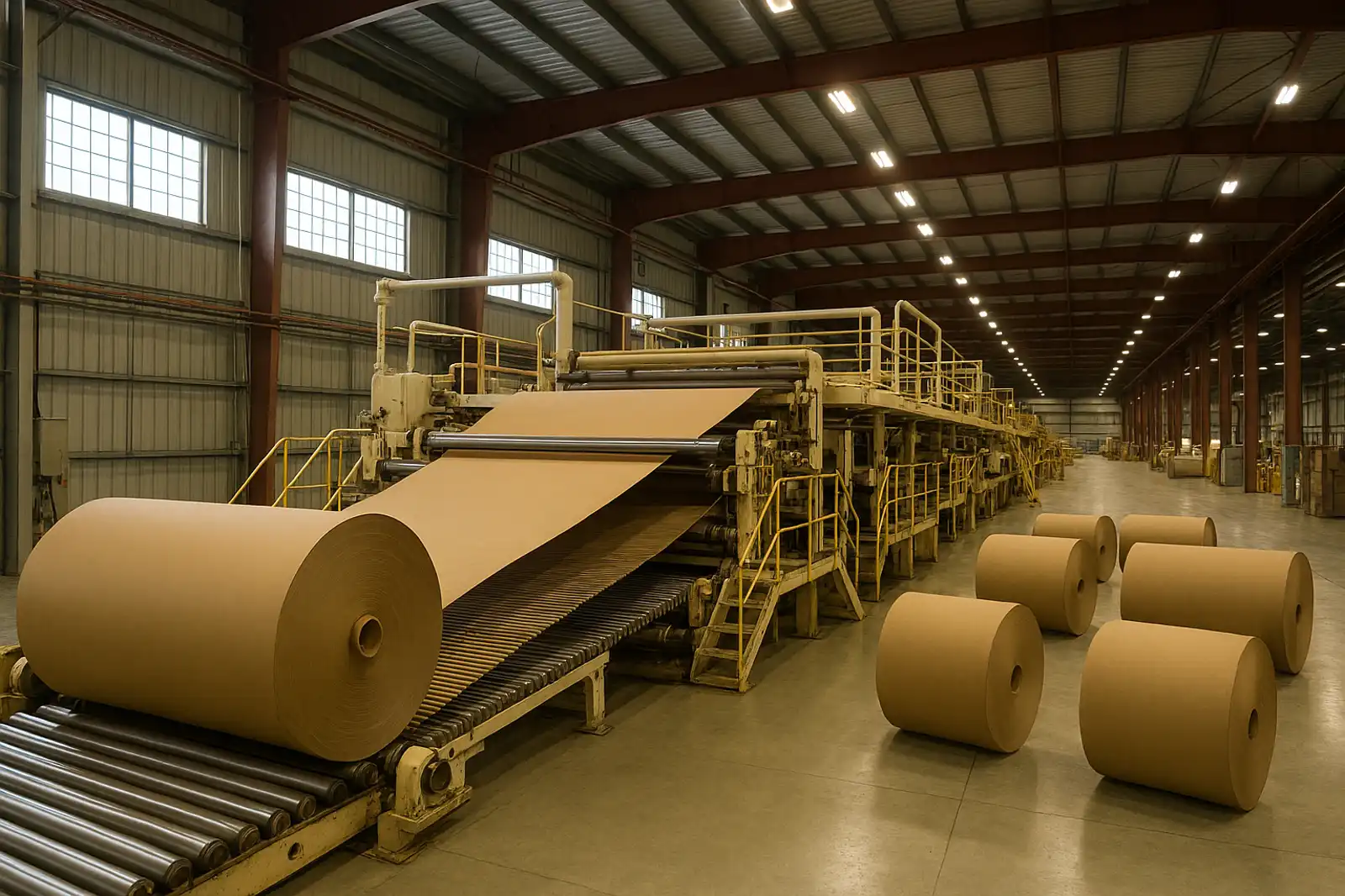
In corrugated cardboard manufacturing, starch glue transfer and circulation are critical to ensuring consistent adhesive performance, strong bonding, and efficient production.

Because this industry operates under continuous 24/7 conditions, optimizing starch transfer systems is essential to:

  • Reduce energy consumption
  • Improve adhesive consistency
  • Minimize downtime and maintenance
  • Ensure high-quality board production

How Starch Transfer Works in Corrugating

From Glue Kitchen to Application and Recirculation

The starch transfer process begins in the glue kitchen, where adhesive is prepared and sent through a closed-loop system across the corrugator.


Key Process Steps:

1. Starch Glue Transfer 

  • Starch adhesive is prepared and stored in a buffer tank
  • Pumps transfer glue to:
    • Singlefacer
    • Glue machines
    • Local storage near application points: 

2. Continuous Starch Circulation

  • Glue is continuously circulated between:
    • Buffer tank → glue pans → return loop
  • Prevents settling, viscosity variation, and film formation

3. Starch Recovery and Reuse

  • Excess glue is collected under the machine
  • A recirculation pump, also called return pump, transfers it back to storage
  • Adhesive is recirculated and reused

This full loop is essential for maintaining consistent starch quality and minimizing waste

Starch Glue (ver.2)

The Importance of Diaphragm Pumps for Starch Transfer

The Industry Standard for Starch Handling

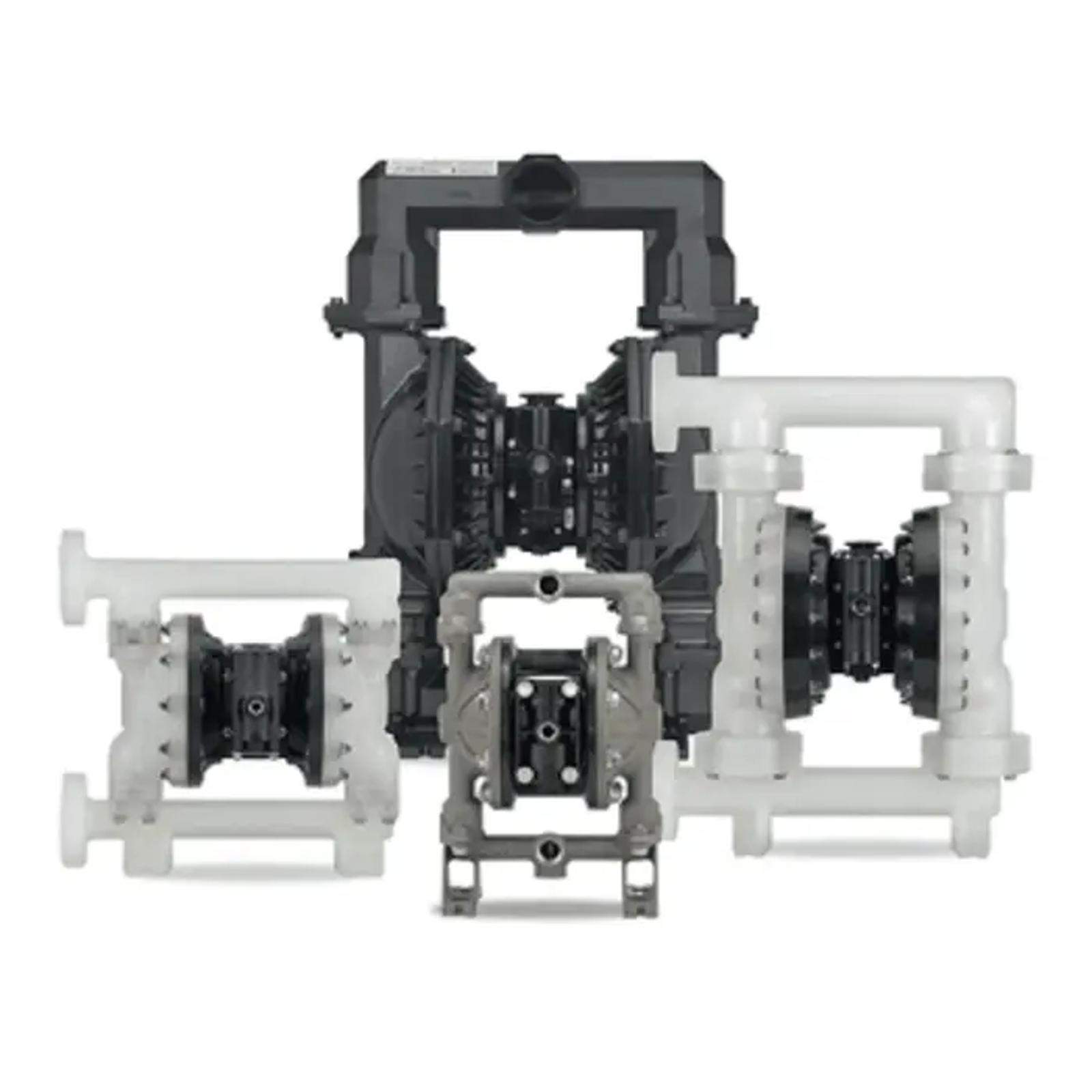
Diaphragm pumps (AODD & EODD) are ideal for starch transfer because they:

  • Handle viscous fluids
  • Provide low-shear pumping (protects starch)
  • Do not heat adhesives
  • Require no mechanical seals
  • Can run dry
  • Stall safely under pressure
  • Are easy to clean and maintain

Air-Operated Diaphragm Pumps vs Electric Diaphragm Pumps

Solving Your Starch Transfer Challenges

By upgrading to electric diaphragm technology, you can:

  • Eliminate AODD pump exhaust freezing concerns
  • Secondary containment prevents pump issues if a diaphragm fails
  • Enhance adhesive application consistency
  • Reduce maintenance and unplanned downtime
  • Increase overall plant productivity and efficiency

Built for Continuous Starch Circulation

Electric diaphragm pumps are ideal across all stages:

  • Glue kitchen circulation
  • Singlefacer and doublebacker supply
  • Return and recovery loops

Delivering consistent performance across the entire starch system

Calculate Your Starch Transfer Cost Savings

Quantify the Impact of Optimization

Upgrading your starch transfer system can deliver significant savings—especially in energy and maintenance.

Use our Cost Saving Calculator to estimate:

  • Energy cost reduction
  • Maintenance savings
  • Downtime impact
  • Payback period

Start Now

Contact our Team to Get to Know the Energy Savings on your Starch Glue Transfer Process

Optimize Your Starch Transfer Today

In a high-demand corrugated manufacturing environment, improving starch transfer and circulation is one of the most effective ways to:

  • Reduce energy consumption
  • Improve product quality
  • Increase reliability
  • Lower total cost of ownership

Talk to Our Experts

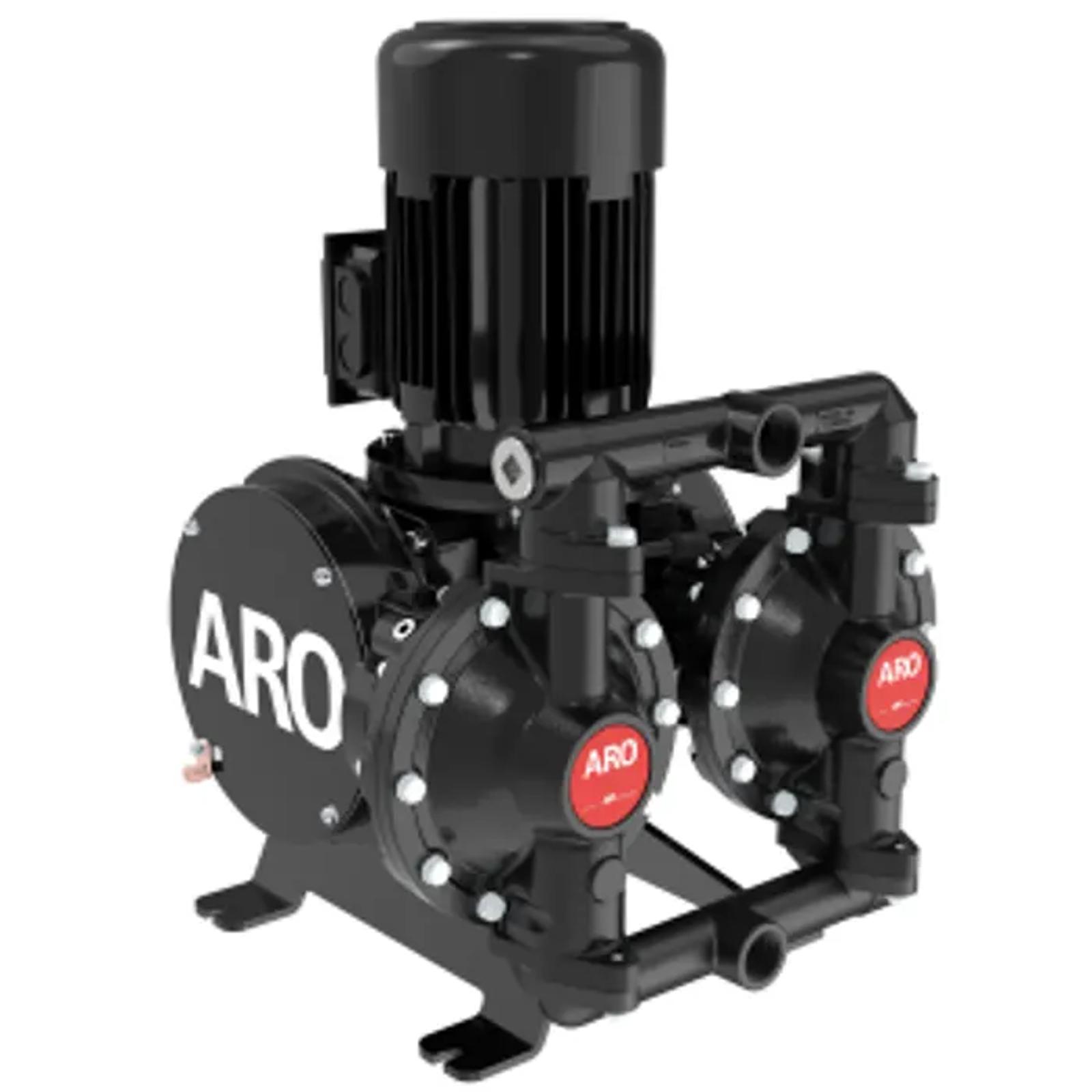
Discover how Electric Operated Double Diaphragm Pump can optimize your starch transfer system and improve your operation.