
Glycol Pumps for Data Center Cooling Systems
Glycol pumps for data centers play a key role in reliable cooling systems. They circulate treated fluids to remove heat, protect IT equipment, and maintain stable temperatures. These pumps support liquid cooling architectures such as CDUs and heat exchangers in high-density environments. In this article, you will learn how glycol pumps work, why they matter for uptime, and how to choose the right solution for your cooling system. You will also discover real performance benefits and practical recommendations to improve efficiency.
Understand How Glycol Pumps Improve Cooling Efficiency And Uptime
Glycol pumps for data centers are critical devices used to circulate coolant fluid in cooling systems. A glycol pump, also called a glycol circulation pump, moves water‑glycol mixtures through cooling loops to remove heat efficiently. In modern data centers, they help maintain safe operating temperatures and ensure continuous uptime.
Why Are Glycol Pumps Essential in Data Centers?
Modern data centers generate high heat loads due to dense IT equipment.
- Pumps move water or glycol through closed cooling loops
- They support liquid cooling systems such as CDUs and heat exchangers
- They stabilize temperature and protect servers
- They ensure continuous cooling in 24/7 environments
These systems are critical because pumps directly support uptime and performance.

How Do Glycol Pumps Work in Cooling Systems?
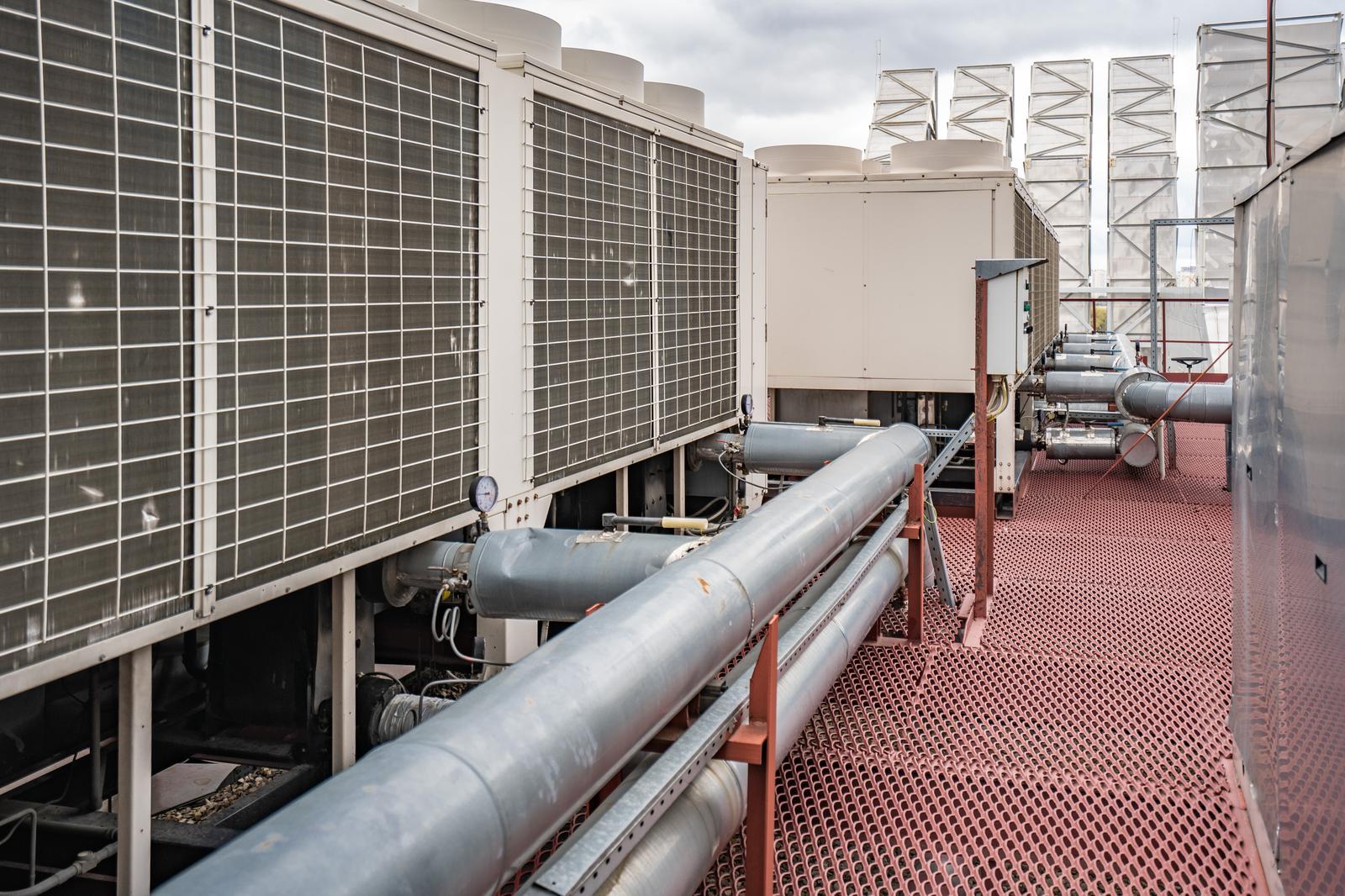
A glycol pump circulates coolant through pipes, removing heat from servers.
The process follows a simple cycle:
- Heat is absorbed by the glycol fluid
- The pump transfers the hot fluid to cooling units
- Heat is released through heat exchangers
- The cooled fluid is recirculated
This continuous loop supports high‑density cooling environments like AI data centers.
What are the main benefits of glycol pumps?
Glycol pumps provide strong operational advantages in data center cooling. They also reduce downtime risks and improve energy performance.
Continuous operation for 24/7 duty cycles
High efficiency for large liquid volumes
Stable pressure for consistent cooling
Compatibility with treated fluids like glycol
Comparison: Water vs Glycol Cooling Systems
Criteria | Water Cooling | Glycol Cooling |
Freeze protection | Low | High |
Corrosion resistance | Moderate | High (with additives) |
Thermal performance | High | Moderate |
Application flexibility | Limited | Wide |
Risk management | Lower | Higher control |
Glycol is preferred in environments requiring freeze protection or chemical treatment.
Explore Glycol Transfer Solutions
.png?format=pjpeg&width=1600&quality=75&auto=webp)
ARO CF-200
End Suction Centrifugal Pump
Features
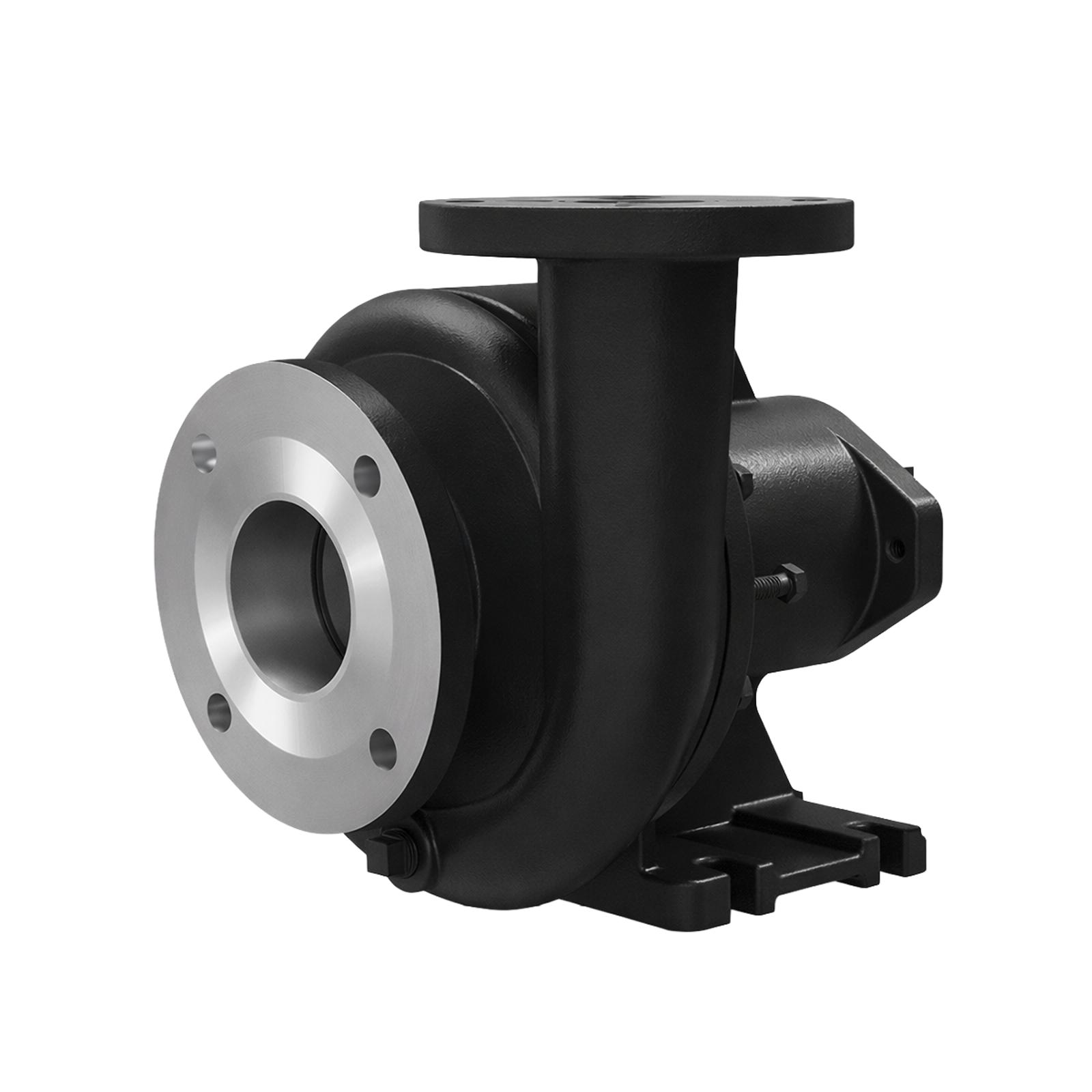
ARO CF-300
End Suction Centrifugal Pump
Features
.png?format=pjpeg&width=1600&quality=75&auto=webp)
ARO CF-700
End Suction Centrifugal Pump
Features

How Can You Improve System Efficiency?
Efficiency depends on proper pump integration and design.
To optimize performance:
- Use variable speed drives (VFDs)
- Match flow rate to cooling demand
- Avoid oversizing pumps
- Select corrosion-resistant materials
These practices improve energy efficiency and reduce operating costs.

FAQ — Glycol pumps for data centers
A glycol pump circulates cooling fluid through a closed loop system. It removes heat from servers and prevents overheating. This ensures stable operation and protects IT infrastructure over time.
Related Topics & Products
ARO CF Series Centrifugal Pumps
Discover ARO CF Series centrifugal pumps delivering stable cooling for high‑density data centers. Get strong flow, and simple service for safe performance.
Learn more
ARO Custom Pump Skids For Data Centers
Custom pump skids for data center cooling are pre-engineered fluid management systems. They help move coolant safely and efficiently in modern data center environments.
Learn more
ARO Condensate Pumps
High-performance condensate pumps for data centers that support safe cooling, manage moisture, and protect critical IT systems with reliable ARO technology.
Learn more
Reach out to us