
How Sealant & Adhesive Manufacturers Can Cut Raw Material Waste
Raw materials represent a significant production cost in sealant and adhesive manufacturing, and inefficiencies directly impact profitability. Optimizing material handling processes and equipment can reduce waste and scrap while improving product quality and production efficiency. Material losses extend beyond raw ingredients—disposal expenses, environmental compliance, downtime, and quality inconsistencies all affect your bottom line.
Where material loss occurs in your facility
Understanding sources of inefficiency is the first step toward improvement. In sealant and adhesive manufacturing, resource loss typically happens in several key areas:
- Material transfer and pumping
Moving high-viscosity compounds like silicone, polyurethane, and epoxy from storage to application requires robust equipment. When pumps can't handle thick, abrasive formulations effectively, you see buildup in lines, inconsistent output, and frequent cleanouts that consume product and labor time.
- Batch changeovers and line cleaning
Every time you switch between formulations, residual product gets left behind in pumps, hoses, and dispensing equipment. For facilities running multiple product lines, these scrap volumes accumulate quickly. Traditional pump designs with complex internal geometries trap sealant or adhesive residue that's difficult to recover and time-consuming to clean.
- Equipment downtime and maintenance
When pumps fail or require frequent servicing, production stops. The product already in the system often can't be recovered and must be discarded. Beyond the immediate loss, downtime creates cascading effects—rush orders, overtime costs, and missed delivery commitments.
- Inconsistent flow and overfilling
Pulsating or irregular material flow leads to overfilling containers or applying excess sealant to meet specifications. This creates both waste and quality control challenges, increasing rework requirements and affecting customer satisfaction.
Strategies to reduce material waste
Focus on the areas with the highest impact for loss reduction.
- Optimize material handling equipment
The foundation of waste minimization starts with pumping equipment engineered specifically for high-viscosity sealants and adhesives. Modern piston pump technology designed for sealant manufacturing can handle demanding formulations while maintaining consistent, smooth flow. Look for pumps that can process materials with viscosities exceeding 1,000,000 centipoise without flow interruptions or product degradation.
- Design for easy cleaning and changeover
Equipment with simpler internal designs and modular construction reduces product holdup during batch changes. Standardized connections and accessible maintenance points make cleaning faster and more thorough, helping recover more sealant or adhesive and return to production quickly.
- Implement preventive maintenance programs
Regular maintenance prevents costly failures that lead to major material losses. Establish maintenance schedules based on operating hours and product types. Track pump performance metrics to identify wear patterns before they cause failures. Keep critical spare parts on hand to minimize downtime when service is needed. This proactive approach reduces emergency repairs and the waste that comes with unexpected equipment failures.
- Monitor and measure waste streams
Tracking scrap and waste by source—pumping losses, changeover waste, rejected batches, and disposal volumes—reveals opportunities for improvement and helps justify equipment upgrades or process changes.
ARO piston pumps: purpose-built for adhesive and sealant applications
ARO piston pumps are built for durability and leak-free performance, expertly handling epoxy, acrylic, silicone, polyurethane, and PVC formulations through dispensing, spraying, or injection applications.
Two pump technologies for different applications
- Chop-Check Piston Pumps handle high-viscosity materials from 15,000 cPs to over 1,000,000 cPs, ideal for silicone sealants, heavy caulking, and thick adhesives.
- 2-Ball Piston Pumps move medium to low-viscosity fluids like acrylic adhesives or polyurethane sealants, with some models achieving flow rates up to 18.1 gallons per minute.
Our pumps include features specifically designed to minimize material waste:
- Precise pressure control through ARO Fluid Regulators eliminates overfilling and ensures accurate dispensing
- Reliable material feed with primer piston designs that prevent loss of prime and keep production running
- Clean cut-off using mechanical flat checks that handle stringy materials without drips or buildup
- Easy maintenance with modular construction and readily available components for faster repairs
Beyond pumps, we provide integrated accessories—fluid pressure regulators, valves, and hoses—that optimize transfer, minimize buildup, and speed changeovers.
Real benefits for your operation
- Lower Material and Disposal Costs - Less waste means you get more finished product from every gallon of raw material you purchase, directly improving your margins while reducing disposal expenses.
- Better Product Quality - Consistent material flow and precise dispensing reduce variations between batches, leading to fewer customer complaints and returns.
- Increased Production Capacity – When dispensing equipment runs reliably with minimal unplanned downtime, you can produce more with your existing facility and workforce.
- Faster Changeovers – Pumps designed for easy cleaning reduces the time and scrap when switching between formulations, helping you respond more quickly to customer orders.
Finding the right pump solution
Choosing the right pumping systems starts with understanding your specific needs:
- Your Materials - Viscosity range, abrasiveness, and filler content determine which pump technology works best.
- Your Production Requirements - Flow rates, operating pressure, and daily volumes influence pump sizing and configuration.
- Total Cost of Ownership - Look beyond initial purchase price to maintenance requirements, parts availability, energy efficiency, and expected service life.
Our expertise in adhesive and sealant applications helps you match the right pump technology to your specific materials and processes. We combine global technical knowledge with local support to provide solutions tailored to your facility's actual requirements.
Taking the next step
For many sealant manufacturers, optimizing pumping systems offers significant opportunities for loss reduction. Start by quantifying current scrap—tracking costs, disposal expenses, labor time, and downtime impacts to prioritize improvements and justify equipment investments.
Ready to reduce material waste in your facility?
Our fluid handling specialists understand the unique challenges of sealant and adhesive manufacturing and can recommend solutions tailored to your materials and processes. Contact us today for a consultation on your specific application.
Adhesives & Sealants
ARO Piston Pumps for Sealants and Adhesives
Why flow stability matters in adhesive production
Your formulation hasn't changed. Your process parameters look identical. Yet one batch passes quality control with flying colors while the next gets rejected for inconsistent viscosity or trapped air bubbles. The real issue? Unstable flow during transfer and dispensing.
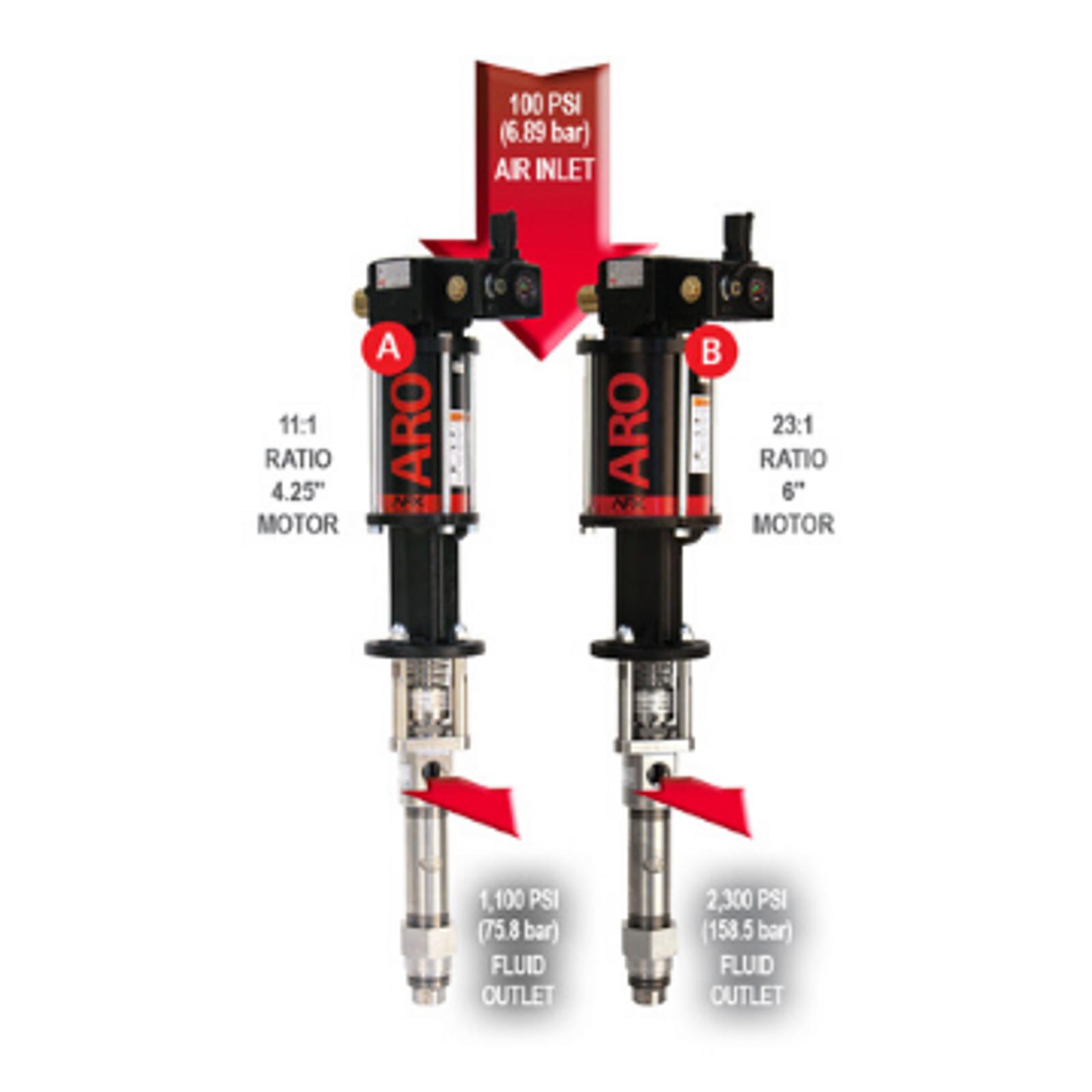
Piston Pump Working Principle and Operation Overview
Understand Piston Pump Fundamentals And Working Principles To Improve Fluid Handling Performance

Piston Pump Motor, Discover ARO Technologies today!
A piston pump motor is the driving force behind a piston pump — a type of positive displacement pump that moves fluids using a back-and-forth motion.
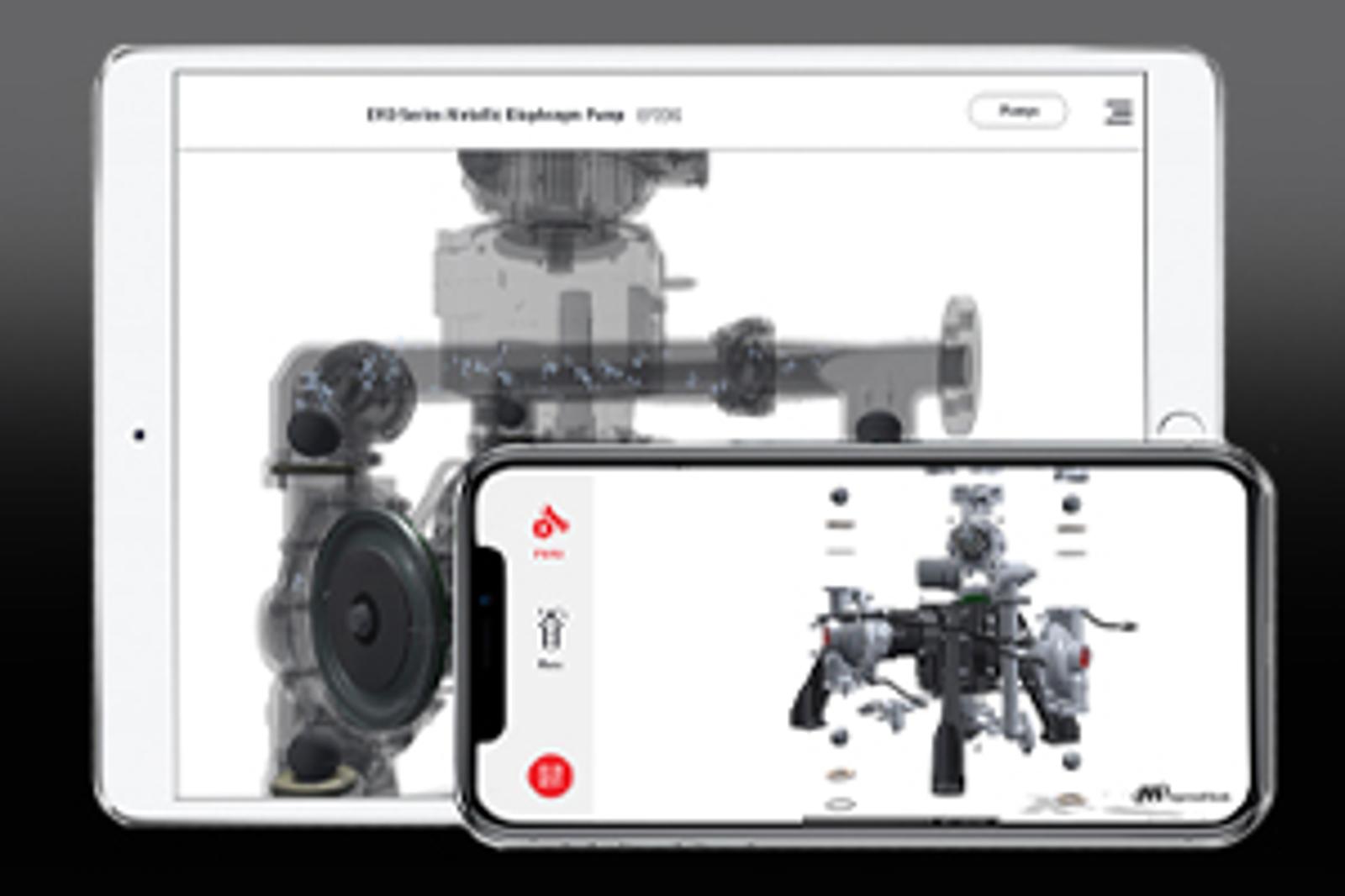
ARO Product Park
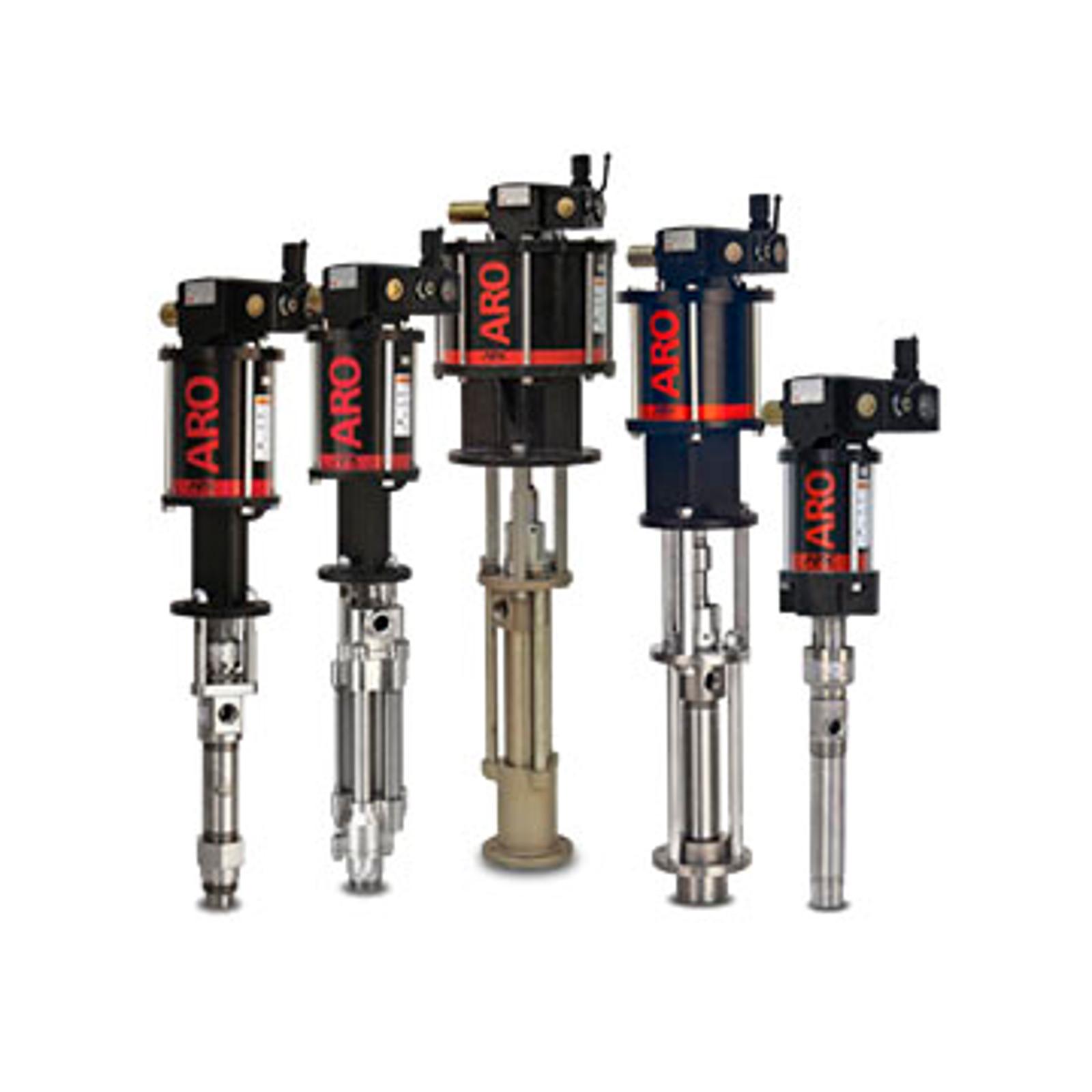
Piston Pumps and Packages For Transfer & Extrusion
ARO offers hydraulic piston pumps and pneumatic piston pumps for a variety of applications. Find the right piston pump solution for a range of viscous fluids.
Reach out to us