
Best Industrial Pumps For High-Viscosity Fluids
Industrial piston pump technologies designed for thick fluid transfer

Best industrial pumps for high-viscosity fluids are designed to move thick products safely and consistently. These high viscosity pumps are commonly used in demanding industrial processes where flow control matters.
These fluids include grease, sealants, adhesives, heavy inks, resins, and pasty compounds.
ARO piston pumps are engineered to transfer medium to very high viscosity fluids in industrial environments.
Why are piston pumps ideal for high-viscosity industrial fluids?
ARO piston pumps are designed for demanding high‑viscosity industrial fluids. As positive displacement pumps, they move a fixed volume per cycle, even with thick materials.
Many factories handle thick materials every day, such as:
- Industrial grease and centralized lubrication grease
- Adhesives used in packaging, woodworking, and automotive assembly
- Sealants and silicone compounds for sealing and bonding operations
- Printing inks and coatings with high solid content
- Resins, mastics, and polymer pastes
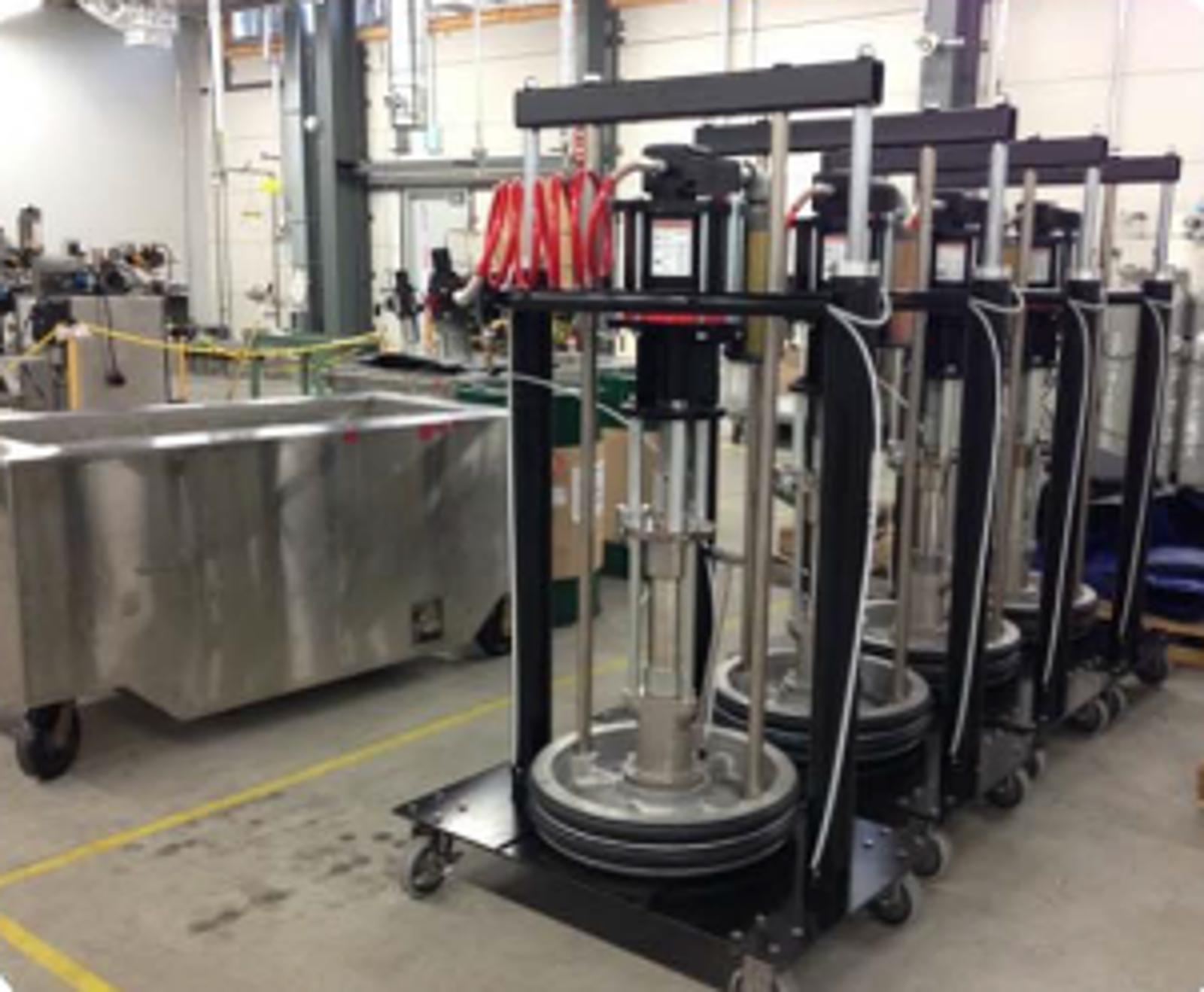
ARO piston pumps handle viscosities up to 1,000,000 centipoise. Their long‑stroke design ensures stable flow with slow‑moving fluids. This design helps protect shear sensitive materials during transfer. Double‑acting operation maintains continuous transfer without pressure loss.
What pump technologies handle extremely thick fluids best?
Piston pumps are often the best choice for extremely viscous industrial fluids. Compared to other pump types, they limit internal friction and reduce wear and tear when handling dense products. They generate high pressure with strong, consistent displacement. They move thick materials without relying on fast suction.
This helps when fluids flow slowly or “hold shape” in hoses. For very thick products, chop-check piston pumps are usually the best option. They help feed dense material into the pumping chamber. This reduces flow interruptions with pastes and heavy compounds.
How piston pumps compare to other common viscous-fluid pump types
Other pump technologies are also used with viscous fluids in industry. However, they can face limits at extreme viscosity levels.
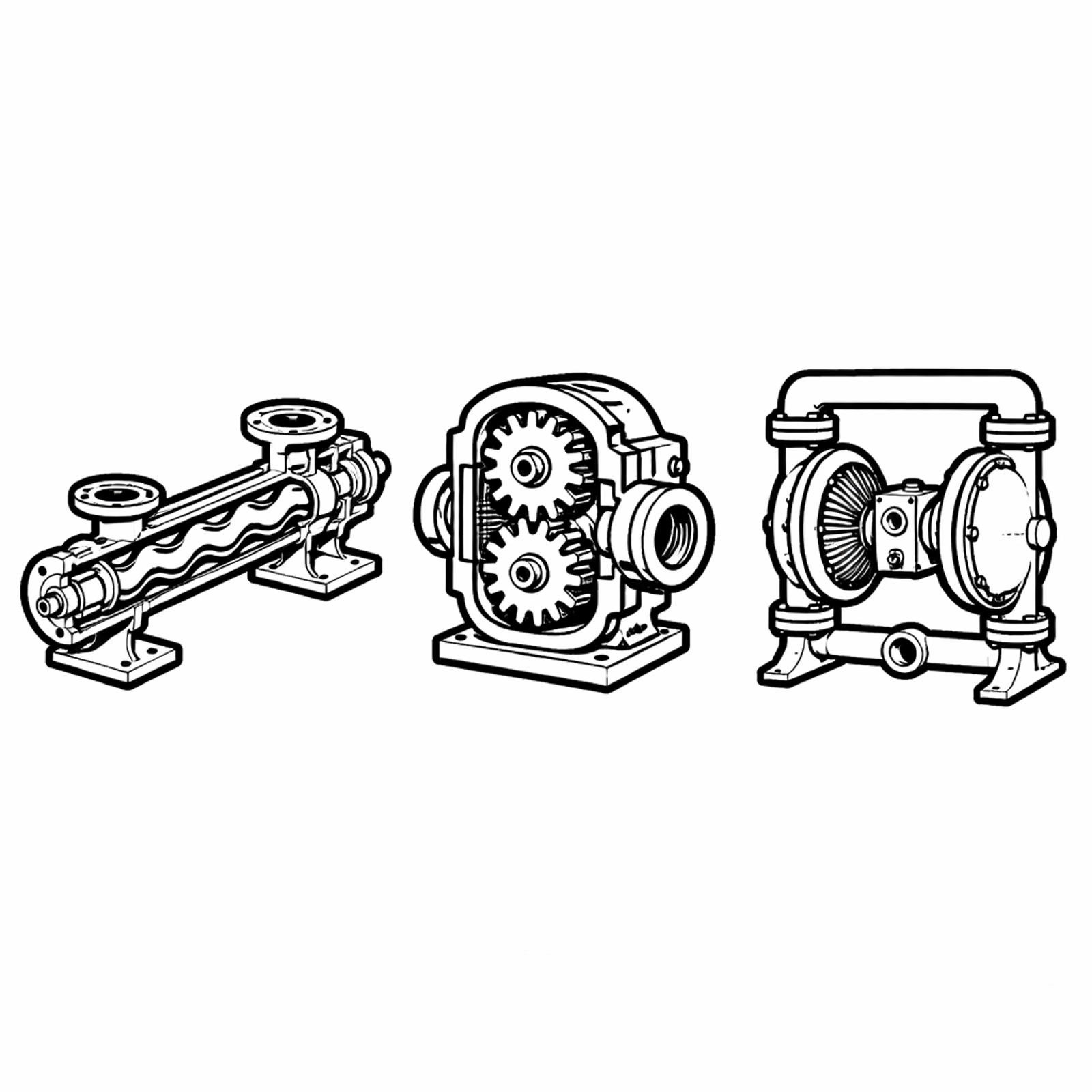
- Progressive cavity pumps can handle viscous flow steadily. They may need careful stator care and stable feed conditions.
- Gear pumps can work with viscous liquids and deliver pressure. They may increase shear and dislike large solids. Gear pumps can increase shear and accelerate wear and tear with filled or abrasive fluids.
- Diaphragm pumps are flexible and easy to install. They can slow down on very thick products and long lines.
If the fluid is extremely thick, piston pumps often remain the safest option. They combine pressure capability and robust transfer for heavy materials.
How to select a pump for pumping high-viscosity fluids?
Pump selection depends on four key factors:
- Fluid type
- Fluid viscosity
- Required flow rate
- Required outlet pressure
Higher pressure ratios allow pumping thicker fluids over longer distances.
ARO piston pumps offer ratios up to 65:1, delivering high outlet pressures reliably.
Why industrial users trust piston pumps for high viscosity fluid transfer?
You expect reliability, safety, and long service life. ARO piston pumps are designed for demanding industrial environments.
Key performance advantages
- High outlet pressure with ratios up to 65:1
- Stable pumping of extremely viscous fluids over long distances
- Consistent flow, even when viscosity changes during production
- Maximum flow rates up to 111 L/min (29 gal/min), depending on the model
- High flow and high pressure combined in one pumping solution

Maintenance and durability benefits
- Divorced design separates the air motor and fluid section
- Faster, safer, and simpler maintenance operations
- Carbon steel and stainless steel fluid sections available
- Suitable for abrasive, filled, or chemically aggressive fluids
- Optional packing materials extend service life with dense products
Safety, compliance, and efficiency
- Many models are ATEX certified for hazardous industrial areas
- Safe handling of flammable and sensitive fluids
- Compatible with ram systems and follower plates
- Improved material feeding and reduced air entrapment
- Less product waste left inside drums
For industrial users, piston pumps reduce the total cost of ownership (TCO). They deliver reliable performance with fewer stops and longer service intervals.

FAQ
Related Products
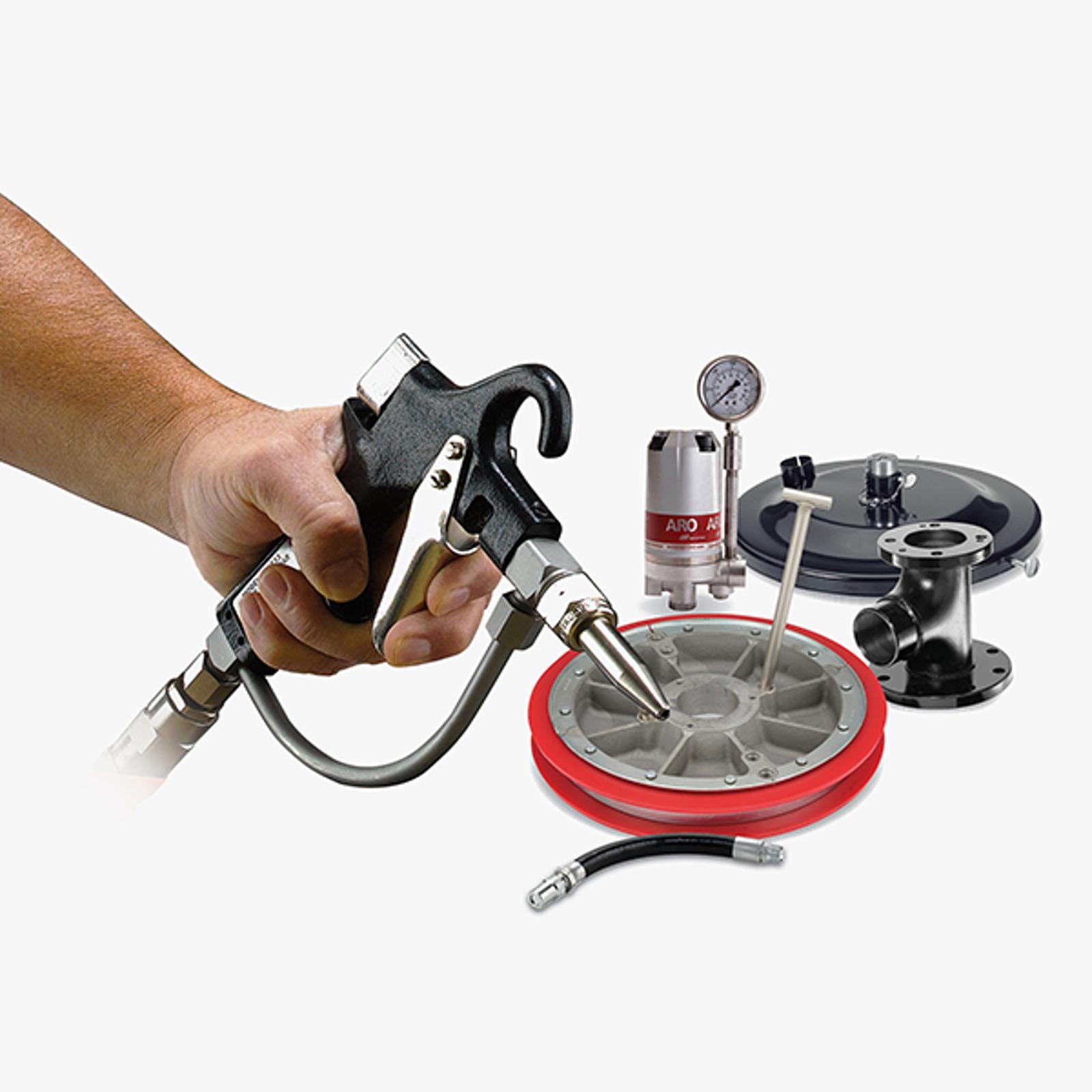
Accessories
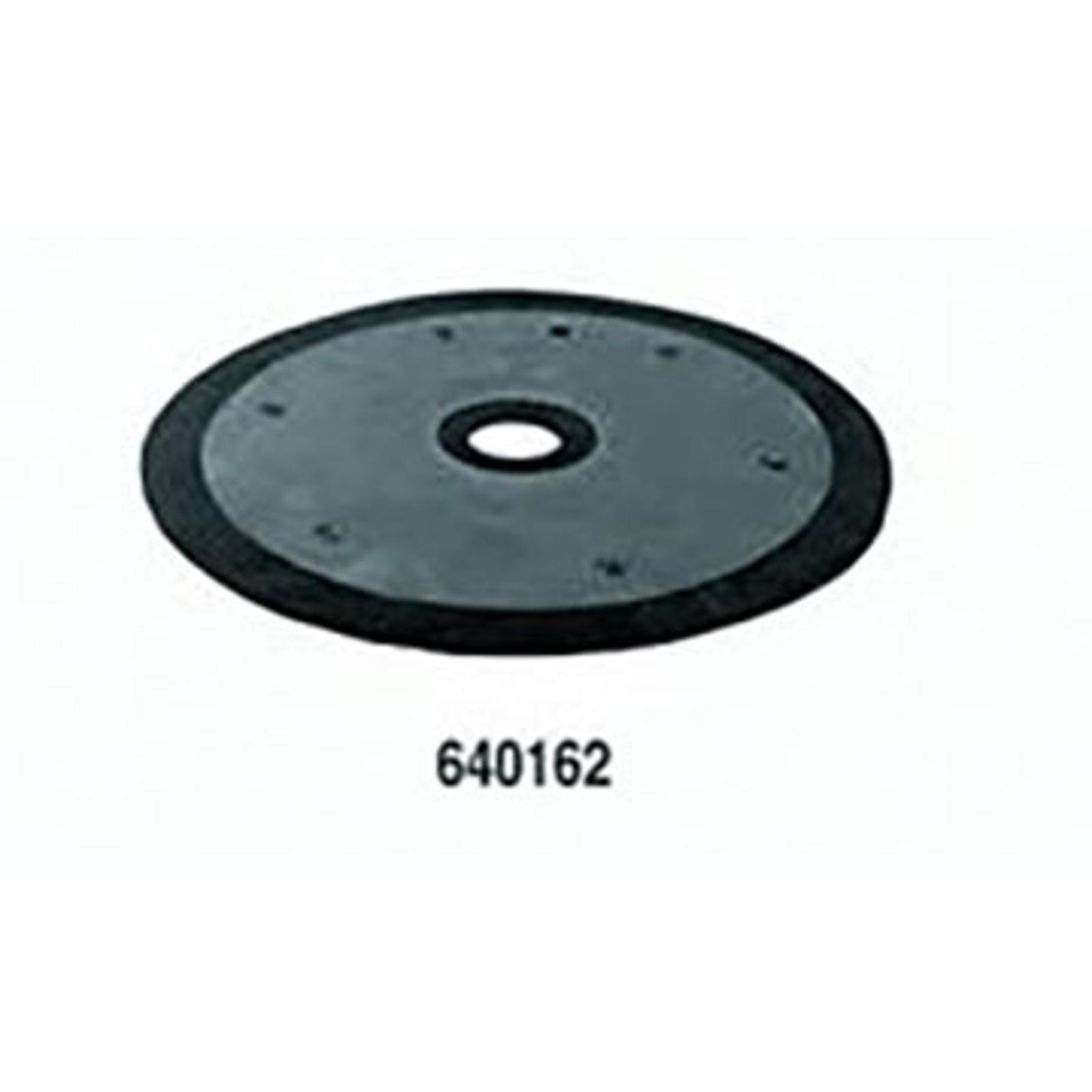
Follower Plates
Related Topics
Best Practices for Abrasive Material Transfer
Improve Efficiency And Reduce Wear When Moving Abrasive Fluids
Adhesive Pump Selection Guide for Industrial Applications
This practical industrial guide from ARO outlines how to configure piston pumps for durability, flow stability, and long-term reliability.
.png?format=pjpeg&width=1600&quality=75&auto=webp)
Practical Guide: Reducing Material Waste in Sealant & Adhesive Manufacturing
Raw materials are your largest production cost—but how much might you be losing to waste? Many sealant and adhesive manufacturers experience hidden material losses from inefficient pumping systems, costly changeovers, and unexpected downtime. This guide explores practical strategies that could help minimize waste in material transfer, reduce cleaning time during batch changes, and prevent equipment failures. Optimizing your material handling equipment may lower disposal costs, improve product quality, and increase production capacity.
Why flow stability matters in adhesive production
Your formulation hasn't changed. Your process parameters look identical. Yet one batch passes quality control with flying colors while the next gets rejected for inconsistent viscosity or trapped air bubbles. The real issue? Unstable flow during transfer and dispensing.
How Piston Pumps Handle Automotive Adhesives
Achieve consistent bead quality with precision adhesive dispensing equipment
Reach out to us