
Top 5 High Viscosity Pump Questions & Answers Before You Buy
Understand How to Select, Size, and Operate Your Piston Pump With Confidence
Choosing the right high viscosity pump takes more than picking a pressure rating. Material properties, application type, and system design all affect how your pump performs day to day. Below are the five questions we hear most often from sealant and adhesive manufacturers and end-users — answered clearly and practically.
1. What Makes a Piston Pump Right for High Viscosity Materials?
Not every pump can move thick, slow-flowing materials reliably. Sealants, structural adhesives, mastics, and dense greases demand a pump built for the job.
Our air-operated piston pumps use positive displacement. They deliver a fixed volume per cycle, regardless of how thick the material is. That means consistent output — even when viscosity changes during production.
Here's what to look for in a pump for high viscosity applications:
- Large inlet ports to allow thick material to enter the pump without starving or cavitating
- Mechanical check valves that seal fully between strokes — our Chop-Check design excels here
- Ceramic-coated plunger rods and cylinder tubes that resist wear when handling abrasive, filled materials
- High pressure ratios to push material through long lines or dense application systems
Our piston pumps handle materials from light coatings all the way up to silicone sealants and structural mastics exceeding 1,000,000 cPs.
We offer piston pumps with pressure ratios from 5:1 to 65:1. Our team can help you calculate the right ratio based on your material and system layout.
3. Can One Piston Pump Handle Both Transfer and Dispensing?
Often, yes. But it depends on how precise your dispensing needs to be and what flow rates you require.
For bulk transfer — moving material from a drum to a supply tank or circulation loop — flow rate is the main priority. For point-of-use dispensing — applying adhesive or sealant at a workstation or robot — consistent, controlled output matters more than volume.
Some production lines use two pumps:
- A higher-flow pump for drum-to-system transfer
- A lower-flow, higher-precision pump for metered dispensing or extrusion
2-Ball Piston Pumps
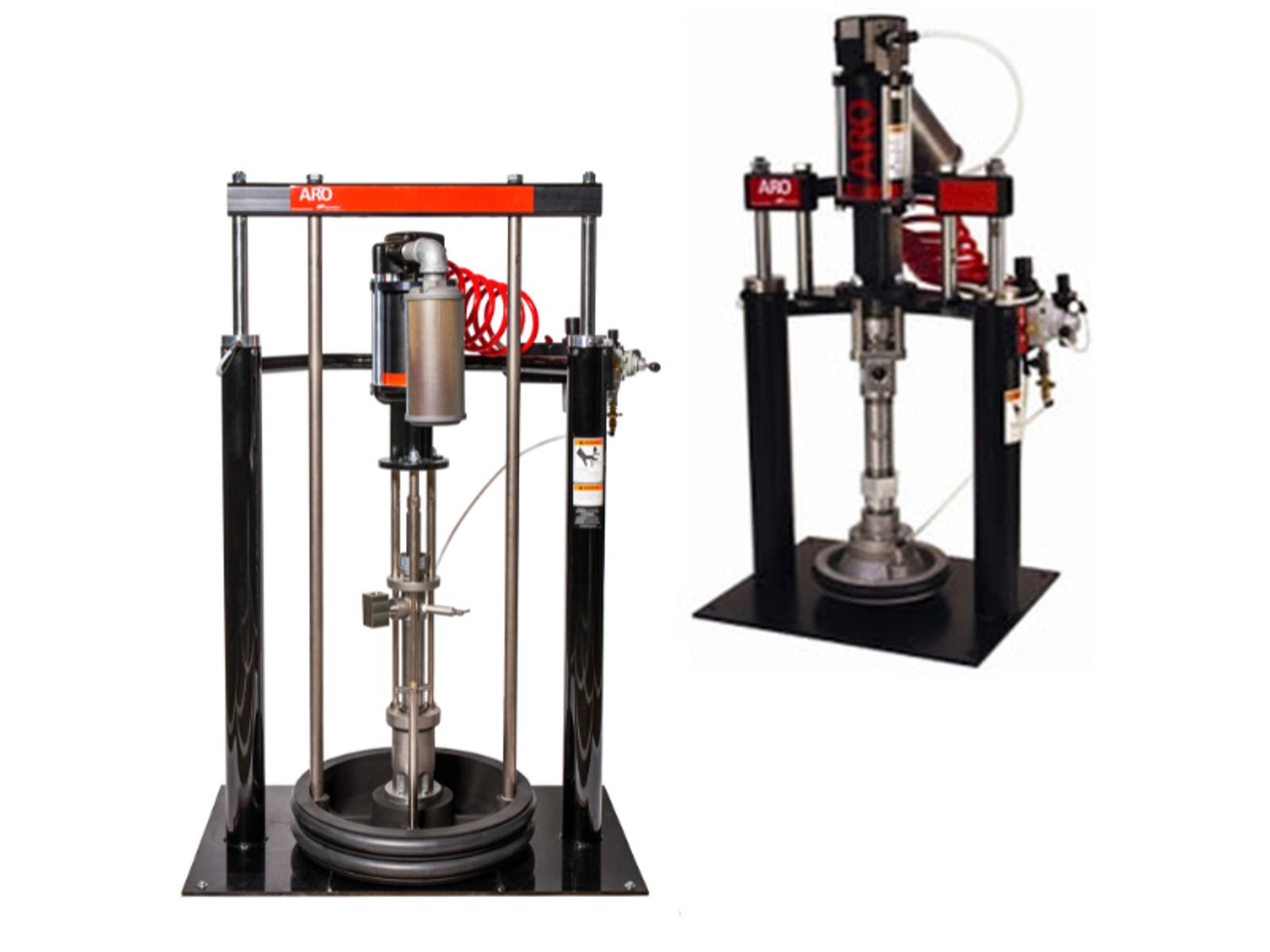
Our 2-Ball Piston Pumps handle both roles well for materials up to 100,000 cPs. For heavier sealants and adhesives, our Chop-Check Piston Pumps are designed for both transfer and direct extrusion in a single unit.
Not sure which setup fits your line? Use our Piston Pump Product Selector to get a tailored recommendation in just a few steps.
4. Chop-Check vs. 2-Ball Piston Pump: Which One Do You Need?
This is the most common selection question we get from sealant and adhesive users. Picking the wrong high viscosity pump here can affect your entire production line. Here's a straightforward breakdown.
Viscosity
Fluid type
Previous installations failed
Challenging materials
Why to choose ARO?
Viscosity
Material
Dispensing type
Why to choose ARO?
5. How Do You Reduce Downtime on a High Viscosity Pump System?
Downtime on an adhesive or sealant line is expensive. The good news is that most causes are predictable — and preventable.
Common causes and practical fixes:
- Dry running — install a low-level cutoff to stop the pump automatically before the drum empties
- Seal and packing wear — our pumps feature adjustable packing with a wave spring design; inspect and adjust on a scheduled basis before leaks develop
- Material hardening in lines — flush lines during planned stops; consider heated hose options for temperature-sensitive materials
- Running the pump too fast — size your pump to operate at 60–70% of maximum rated output; this reduces wear and extends component life significantly
- Slow maintenance response — keep a service kit on hand; our kits include all required parts for a complete repair, so you're not waiting on components
.png?format=pjpeg&width=1600&quality=75&auto=webp)
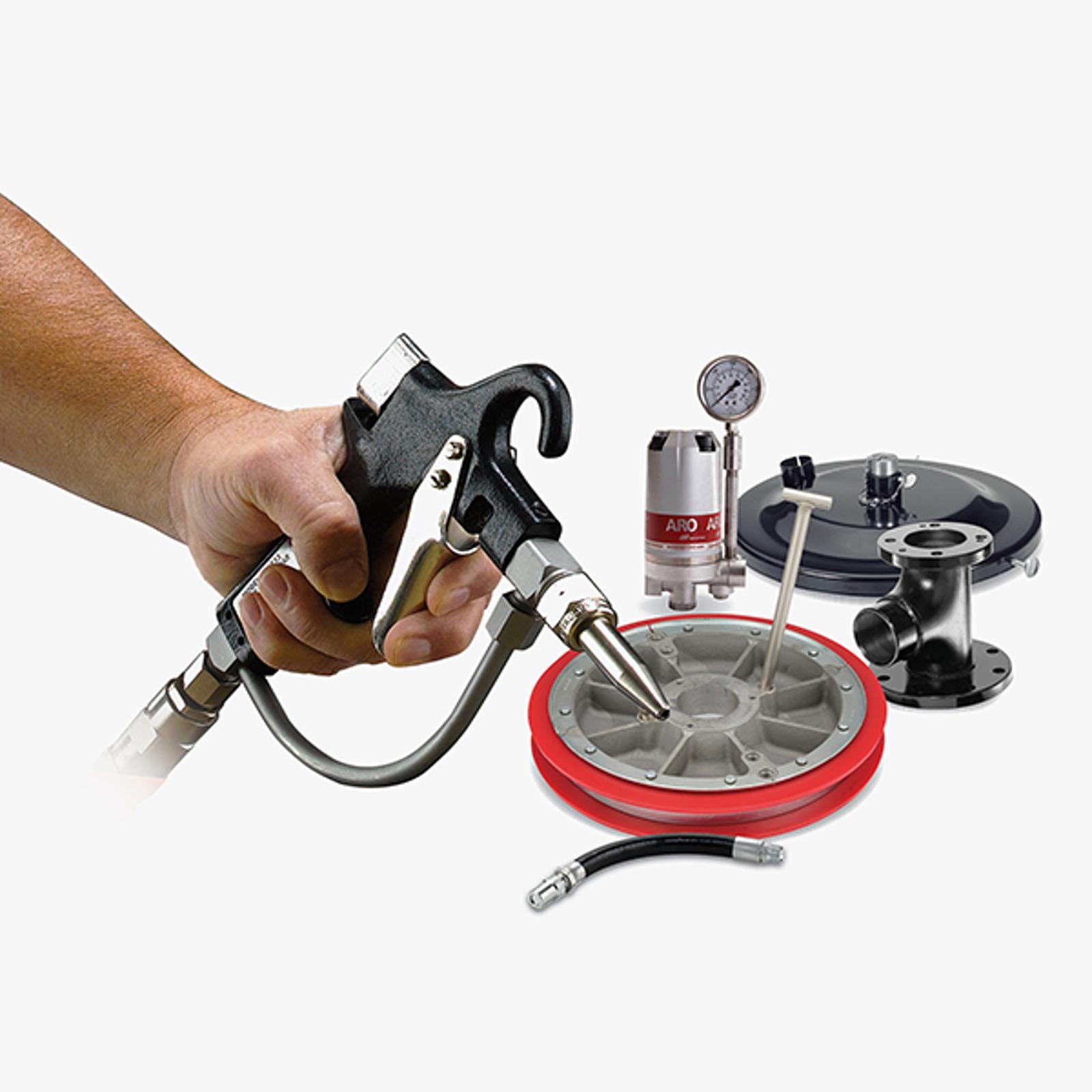
The right accessories also make a real difference. Follower plates improve material feed from drums. Pressure regulators stabilize output. Low-level cutoff controls protect your pump and your process.
Start With the Right System
Accessories are a core part of any reliable pump setup. We offer complete piston pump packages for sealant and adhesive applications that include the accessories your process needs — follower plates, pressure regulators, low-level cutoff controls, dispense valves, and material hoses — all matched and ready to install.
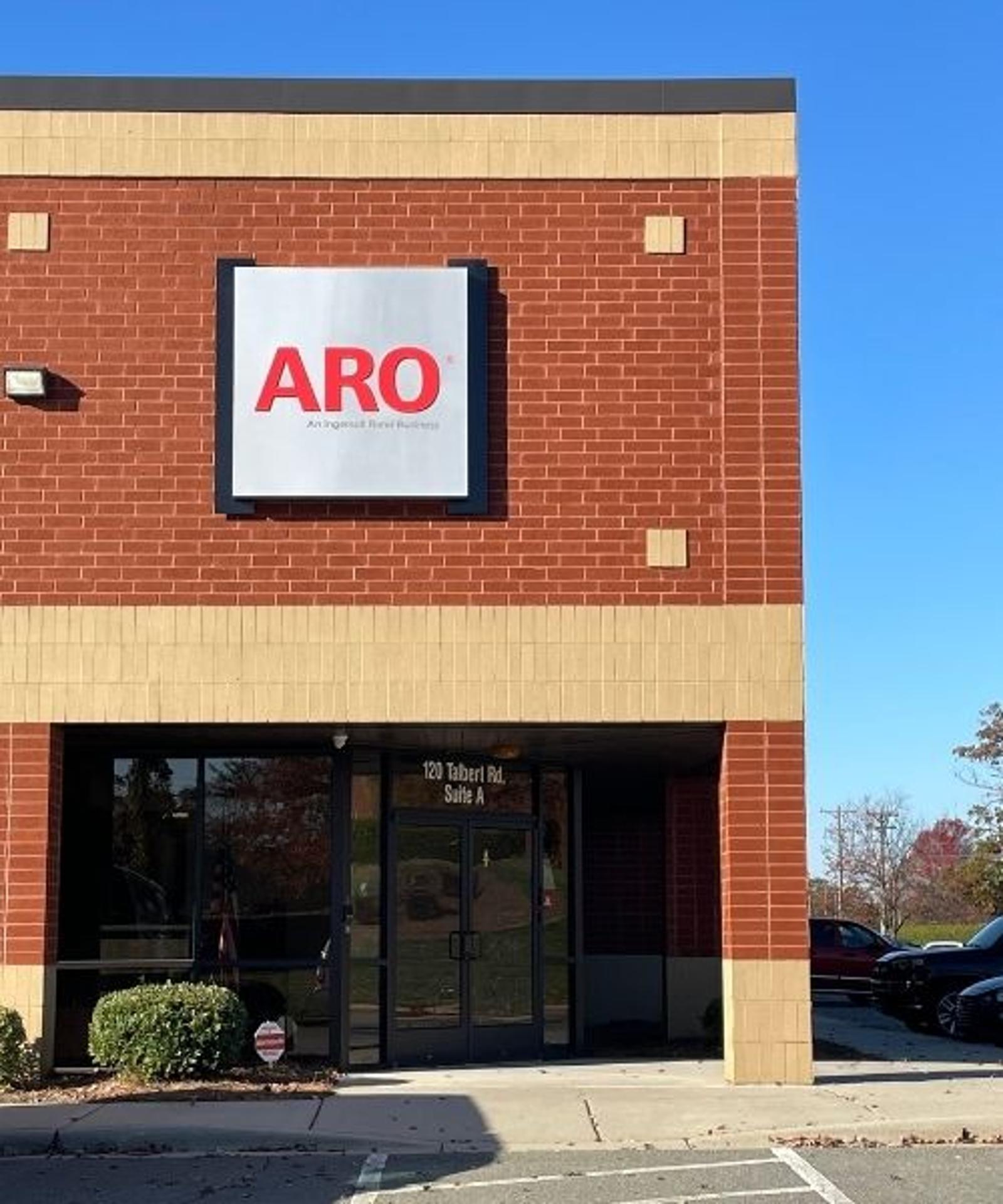
For more complex or non-standard requirements, our Solutions Center in Mooresville, NC can configure and build a custom system around your specific process, materials, and timeline.
FAQ
Related Solutions
Adhesives & Sealants
Piston Pumps and Packages For Transfer & Extrusion
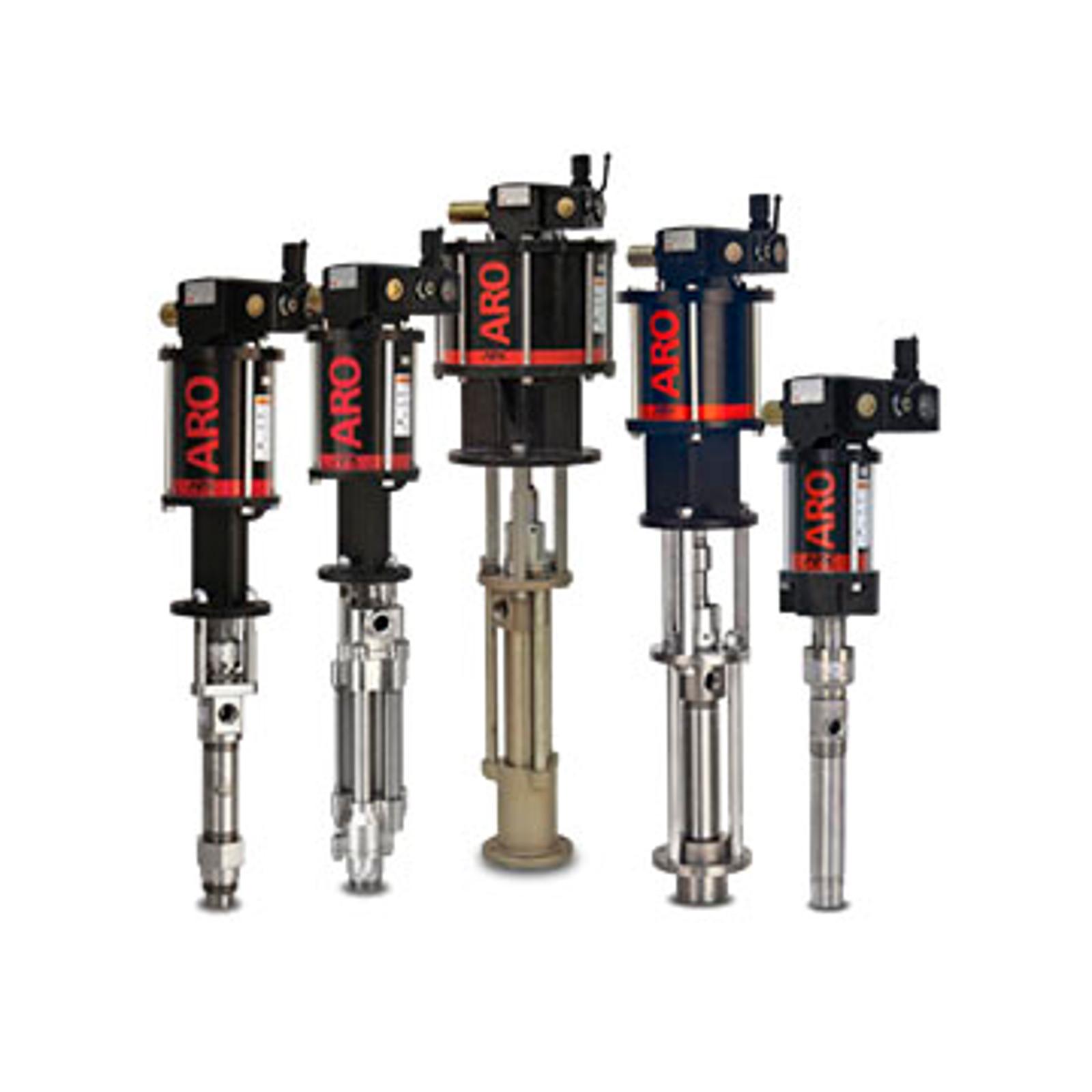
ARO offers hydraulic piston pumps and pneumatic piston pumps for a variety of applications. Find the right piston pump solution for a range of viscous fluids.
Accessories
Custom Pumping Systems Built for Industrial Performance
Explore Custom-Built Pump Packages Designed Around Your Material, Process, and Timeline.
Related Resources
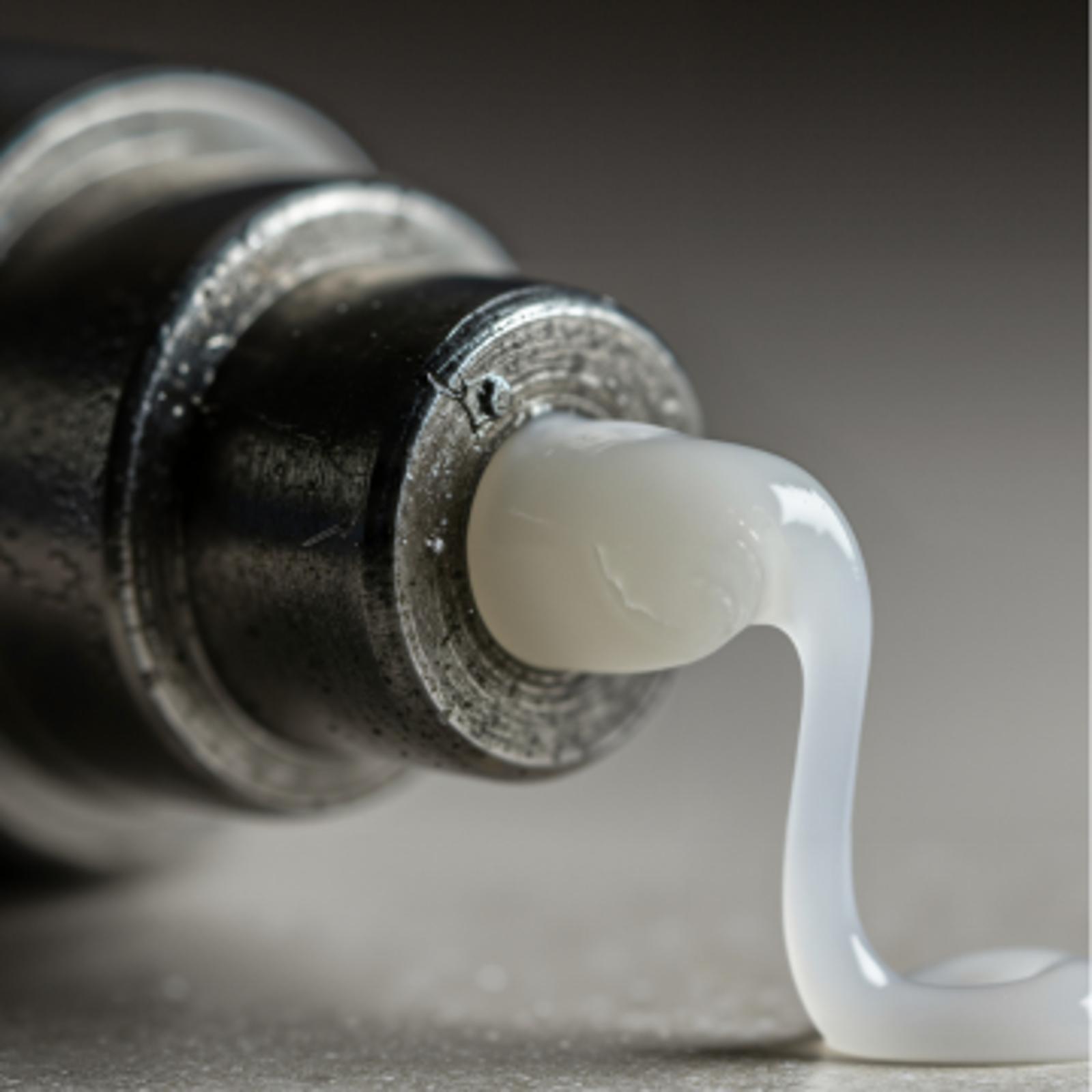
Best Practices for Abrasive Material Transfer
Improve Efficiency And Reduce Wear When Moving Abrasive Fluids
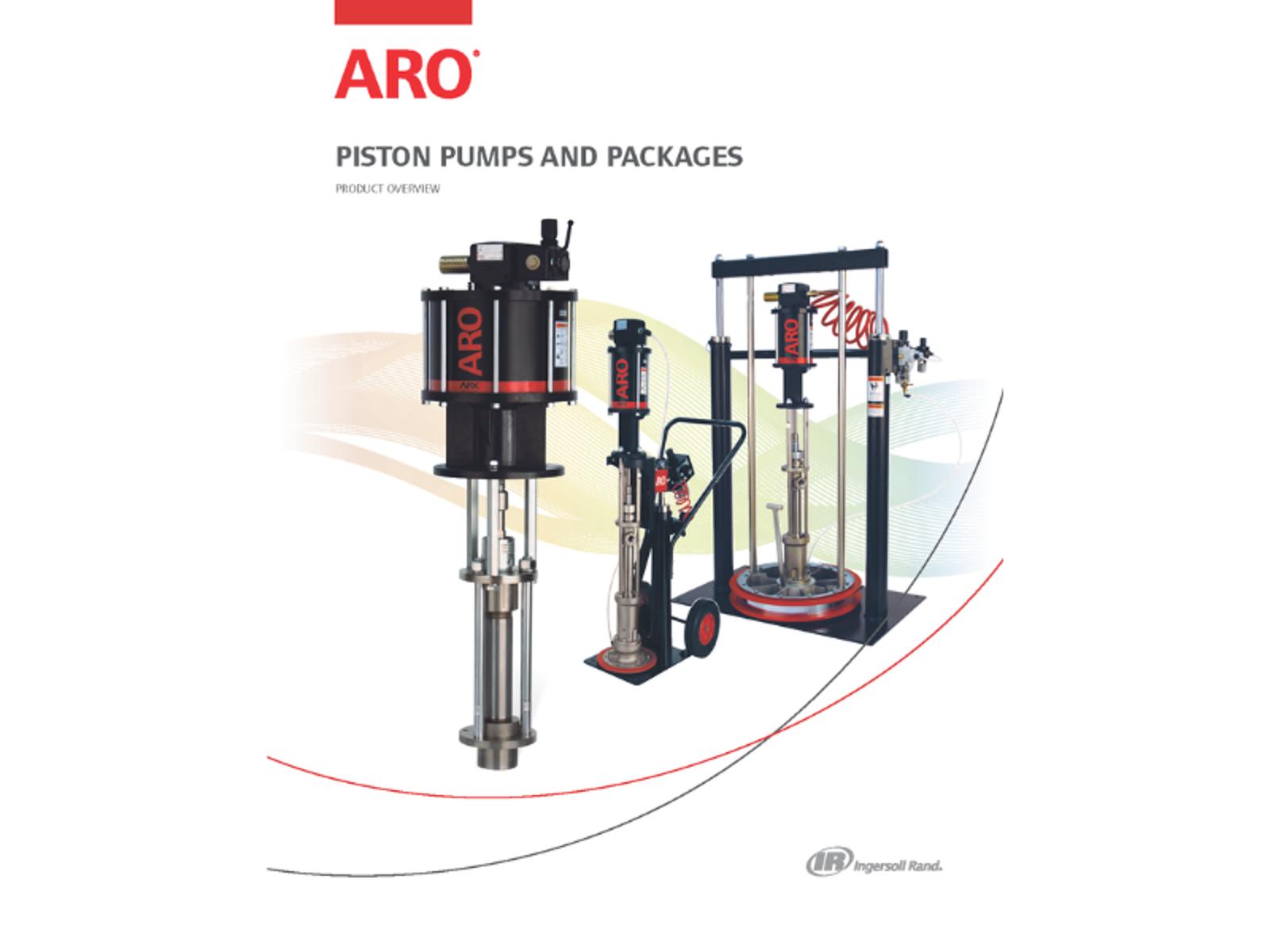
Industrial Piston Pumps and Packages Product Overview
Download a Complete Overview of ARO Piston Pump Dispensing Solutions and Packages

Why flow stability matters in adhesive production
Your formulation hasn't changed. Your process parameters look identical. Yet one batch passes quality control with flying colors while the next gets rejected for inconsistent viscosity or trapped air bubbles. The real issue? Unstable flow during transfer and dispensing.
.png?format=pjpeg&width=1600&quality=75&auto=webp)
Practical Guide: Reducing Material Waste in Sealant & Adhesive Manufacturing
Raw materials are your largest production cost—but how much might you be losing to waste? Many sealant and adhesive manufacturers experience hidden material losses from inefficient pumping systems, costly changeovers, and unexpected downtime. This guide explores practical strategies that could help minimize waste in material transfer, reduce cleaning time during batch changes, and prevent equipment failures. Optimizing your material handling equipment may lower disposal costs, improve product quality, and increase production capacity.
Adhesive Pump Selection Guide for Industrial Applications
This practical industrial guide from ARO outlines how to configure piston pumps for durability, flow stability, and long-term reliability.
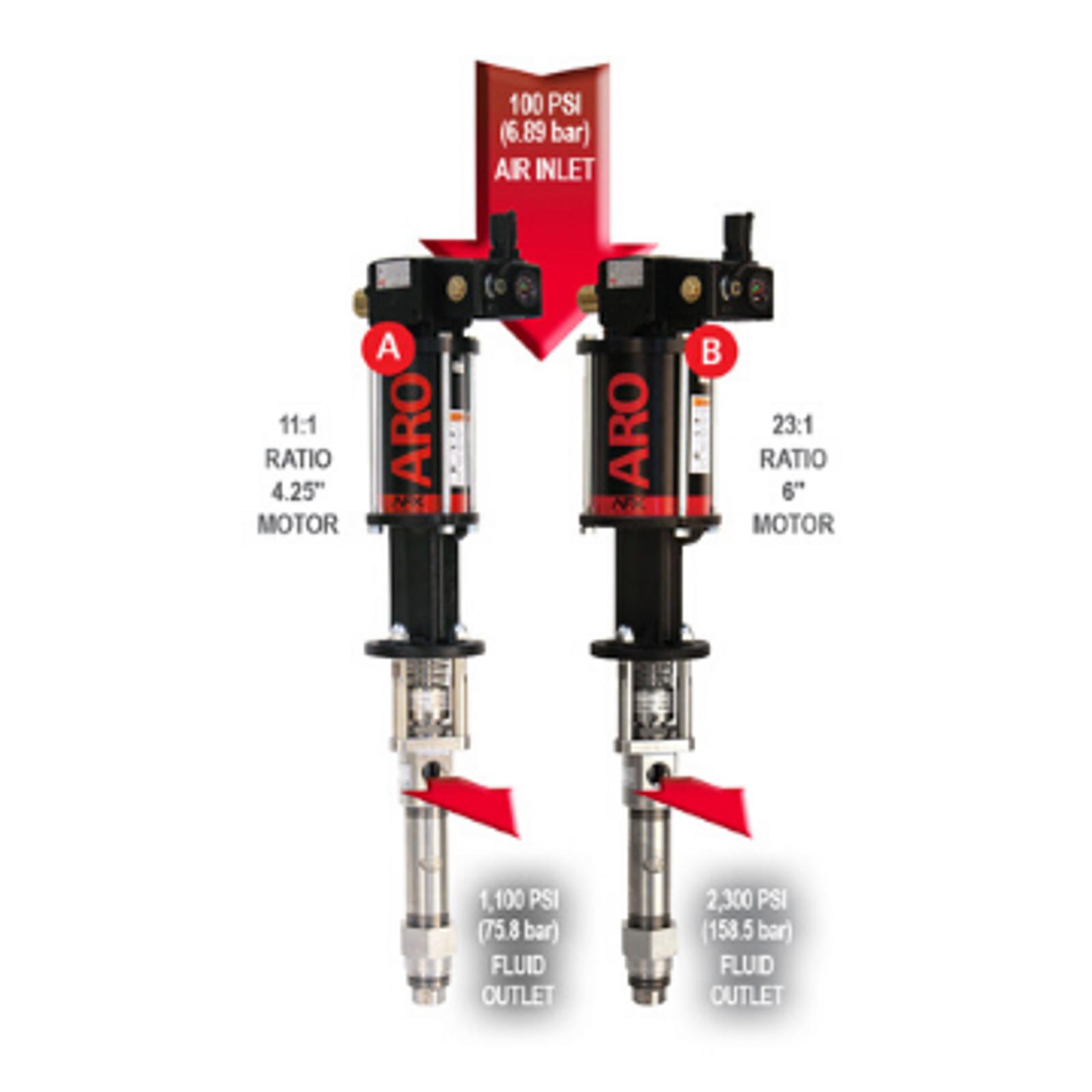
Piston Pump Working Principle and Operation Overview
Understand Piston Pump Fundamentals And Working Principles To Improve Fluid Handling Performance
Reach out to us