
How to choose an industrial drum pump
Select the right drum pump for your application
An industrial drum pump is essential for safe fluid transfer operations. Choosing the right drum pump improves productivity and reduces maintenance costs. Many users compare electric drum pumps, pneumatic drum pumps, and manual options. This guide helps you select the best drum pump for your industrial needs.
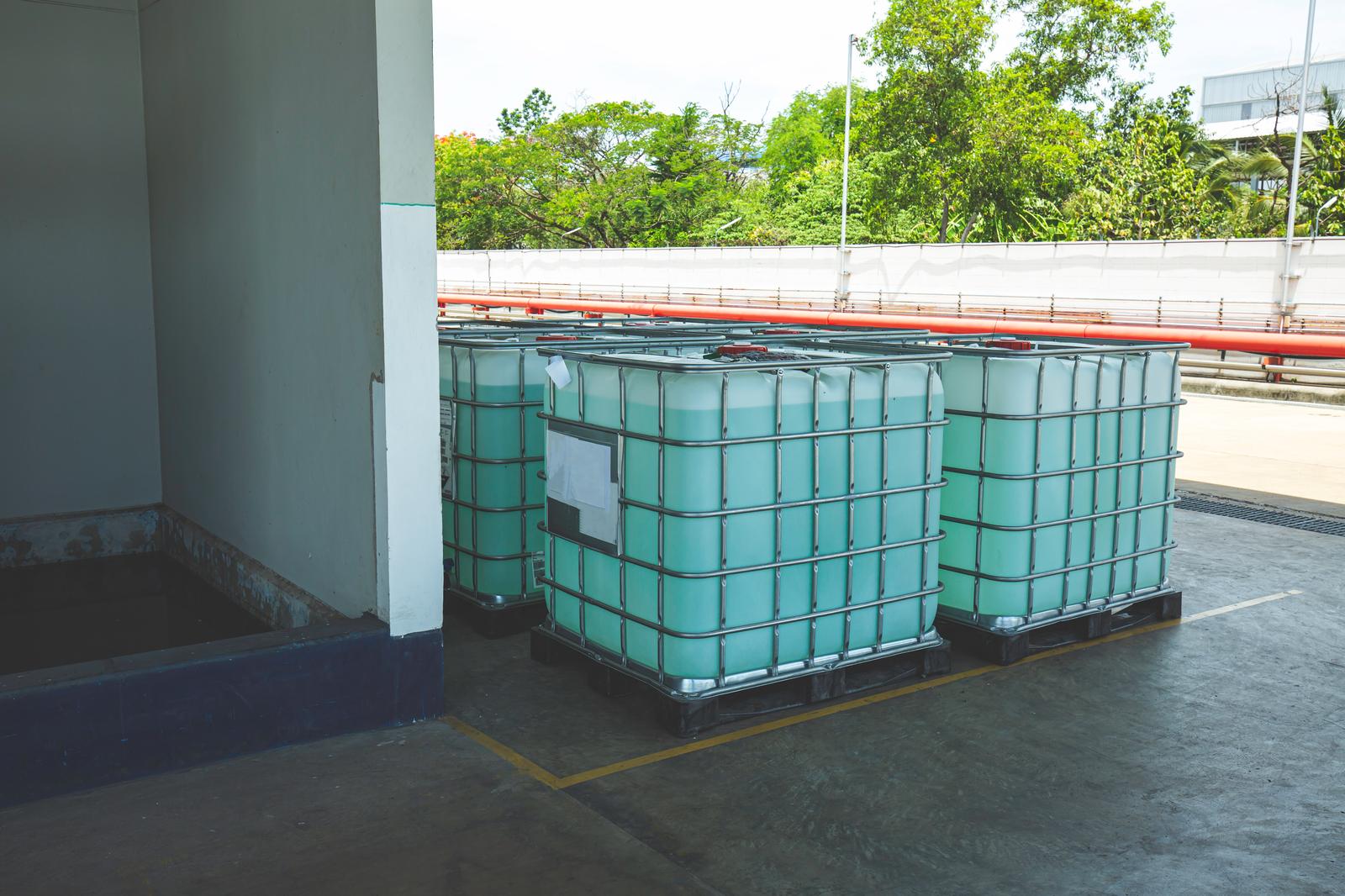
How to choose a drum pump based on the liquid?
The liquid defines your pump selection. Chemical compatibility and viscosity are key factors. You should evaluate:
Chemical aggressiveness (acids, solvents, oils)
Viscosity level (low, medium, high)
Presence of particles or contaminants
Temperature and density
Seal-less designs are ideal for aggressive fluids. They reduce leakage risks and simplify cleaning. For low-viscosity chemicals, axial impellers provide high flow rates. For viscous fluids, screw impellers perform better.
What is the difference between electric, pneumatic, and manual drum pumps?
Each technology fits a specific industrial context.
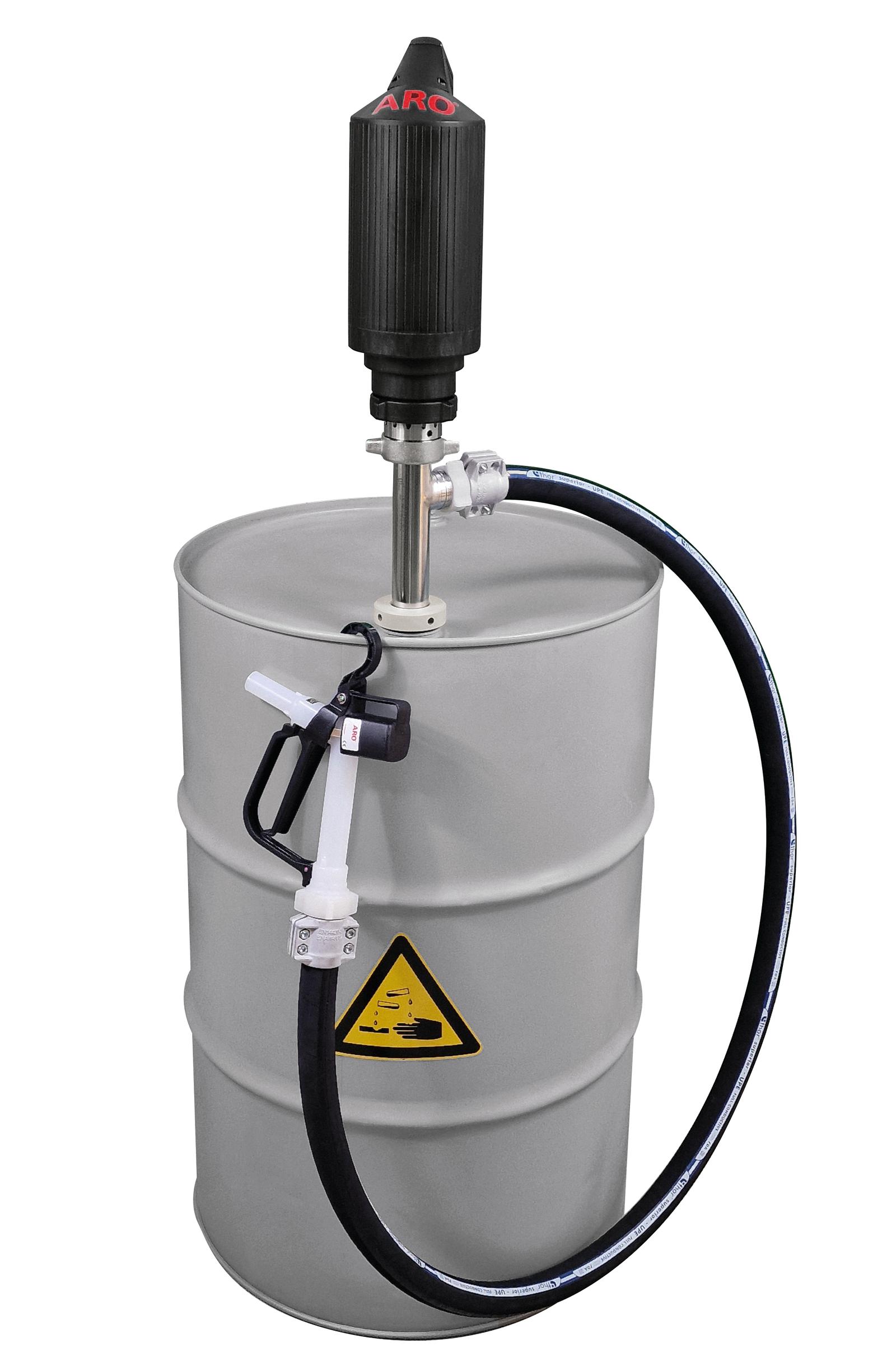
Electric drum pumps
Flow
Use
Power
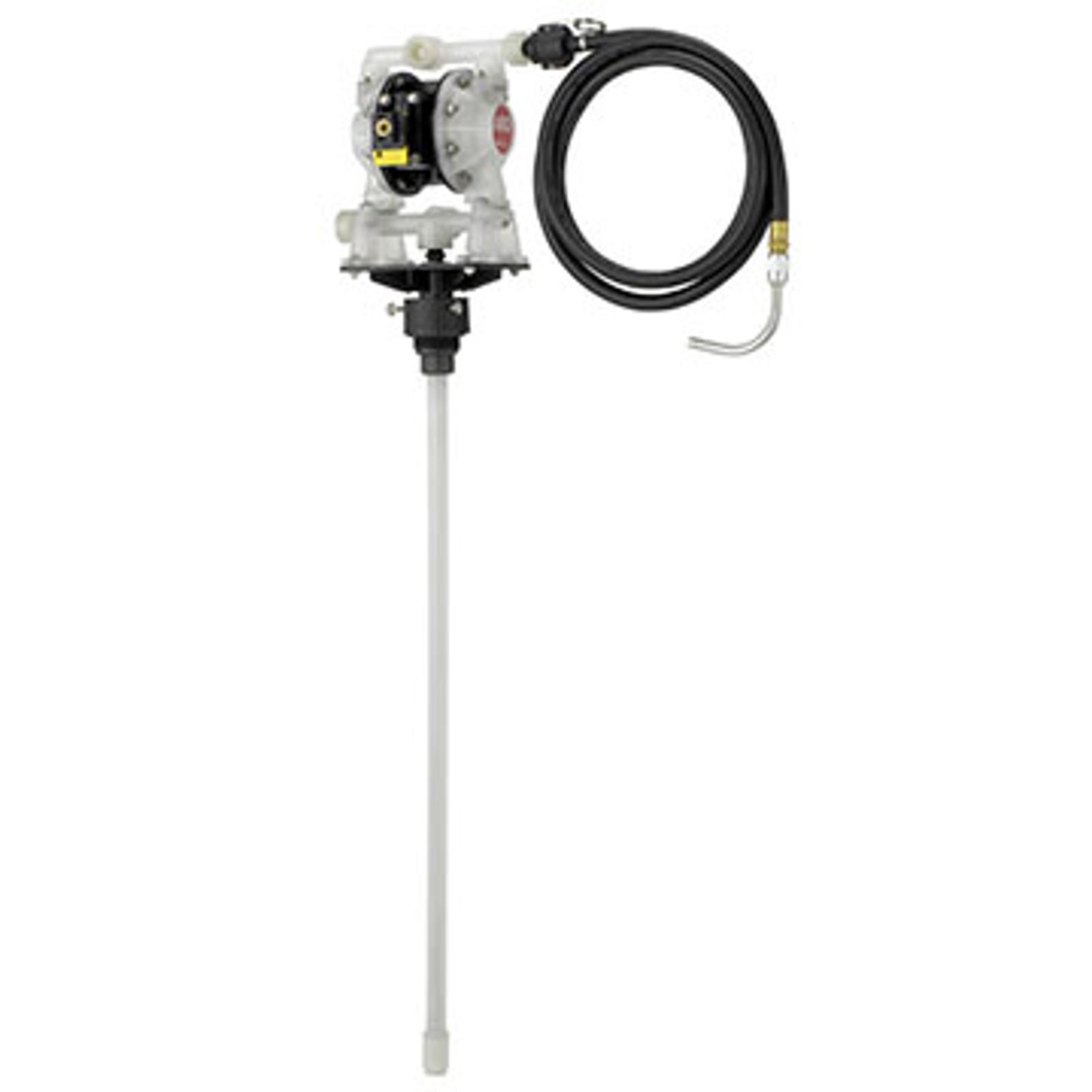
Pneumatic drum pumps
Explosive areas
Reliability
Safety
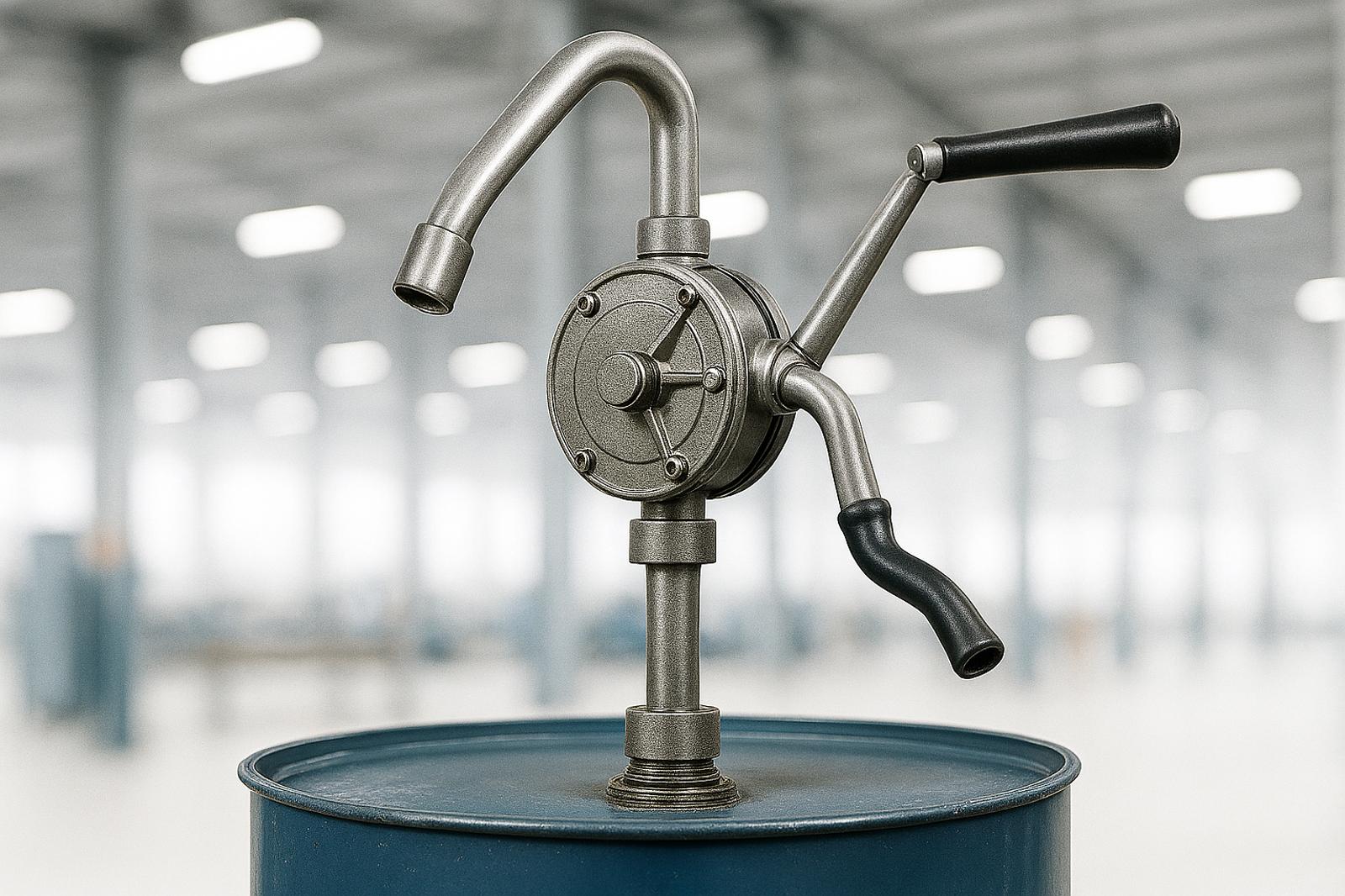
Manual drum pumps
Design
Use
Performance
ARO offers both electric and pneumatic drum pump solutions designed for industrial reliability.
Which material should you choose for a drum pump?
Material selection ensures durability and safety.
Common materials include:
- Polypropylene (PP): cost-effective, good chemical resistance
- PVDF: high resistance to aggressive chemicals
- Stainless steel: ideal for food, pharma, and high temperatures
- Aluminum: suitable for oils and non-corrosive fluids
For harsh environments, stainless steel or PVDF is recommended.
What tube length is required for your drum or container?
Tube length depends on your container size.
Typical options:
- 700 mm (≈27.6 in) for small containers
- 1000 mm (≈39.4 in) for intermediate tanks
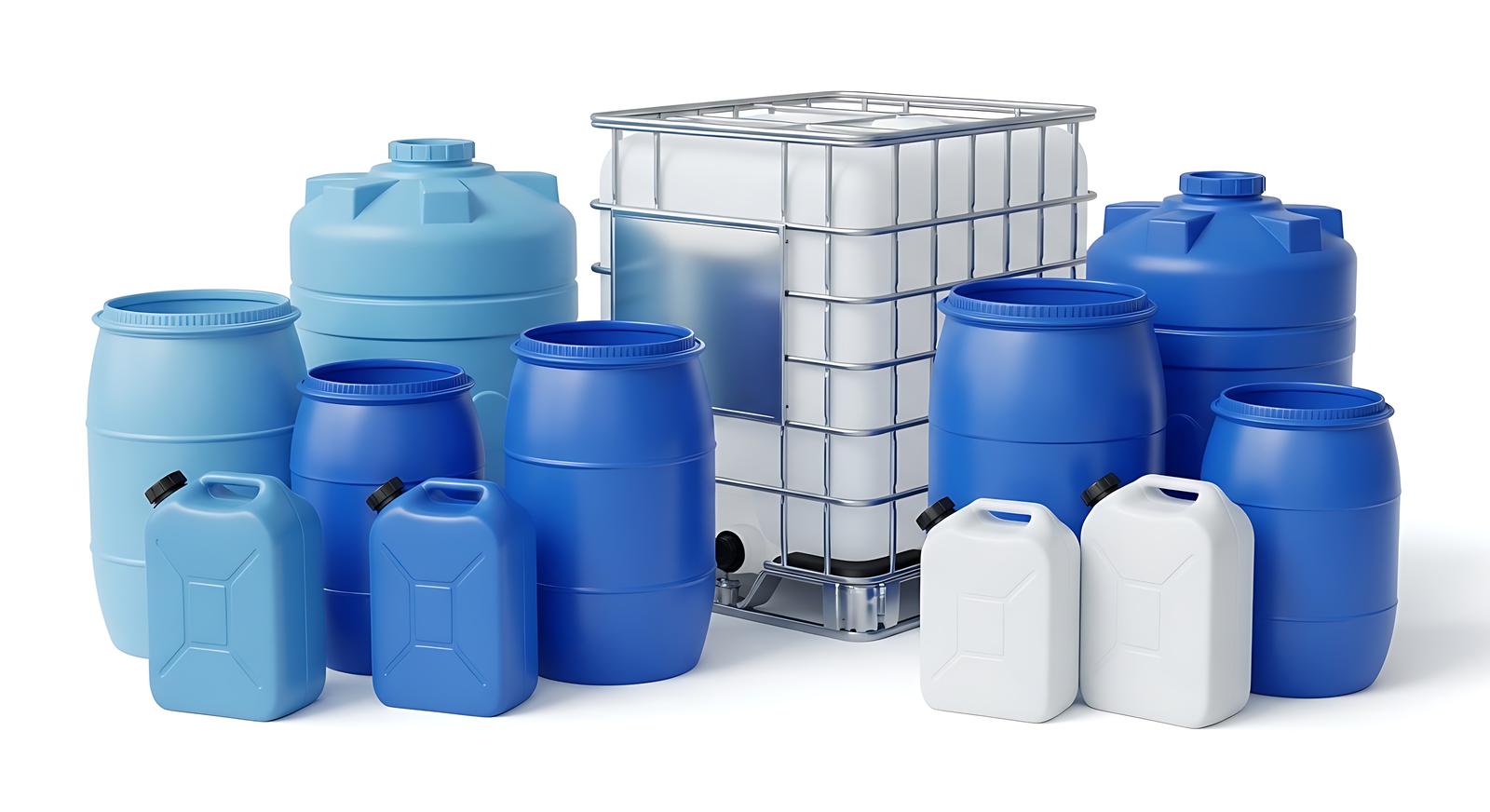
- 1200 mm (≈47.2 in) for standard 200 L (≈55 gal) drums
Choosing the correct immersion depth ensures full emptying and efficiency. Modular designs allow quick adaptation to different containers.
Which certifications and standards are required?
Industrial environments often require compliance with strict standards.
You should consider:
Motors may include safety options like low voltage release. This prevents automatic restart after power loss.
Why choose a modular drum pump solution?
Modular systems improve flexibility and reduce downtime.
Key benefits:
- Interchangeable motors and tubes
- Quick coupling systems (¼ turn connection)
- Easy maintenance and cleaning
- Adaptability to multiple fluids
.png?format=pjpeg&width=1600&quality=75&auto=webp)
FAQ
Most drum pumps should not run dry. It may damage internal components. Use dry-run protection if needed.

Reach out to us