
How Temperature Affects High-Viscosity Pump Performance
This article explains how temperature changes affect high viscosity pump performance, especially for adhesives, sealants, and similar materials. When temperature drops, fluids become thicker and harder to move, which can cause pump stalling, higher pressure demand, and increased wear. When temperature rises, fluids thin out, leading to inconsistent flow and dispensing issues. The article also outlines how temperature impacts pump components like seals and valves, and provides practical steps—such as proper storage, heating solutions, and correct pump sizing—to maintain stable and reliable performance.
Understand the Key Variable That Disrupts Adhesive and Sealant Dispensing
Temperature is one of the most underestimated variables in high-viscosity pump performance. For operations running adhesives, sealants, greases, or coatings, even a modest shift can change how a fluid behaves—and whether your piston pump keeps up.
Why Viscosity Changes with Temperature
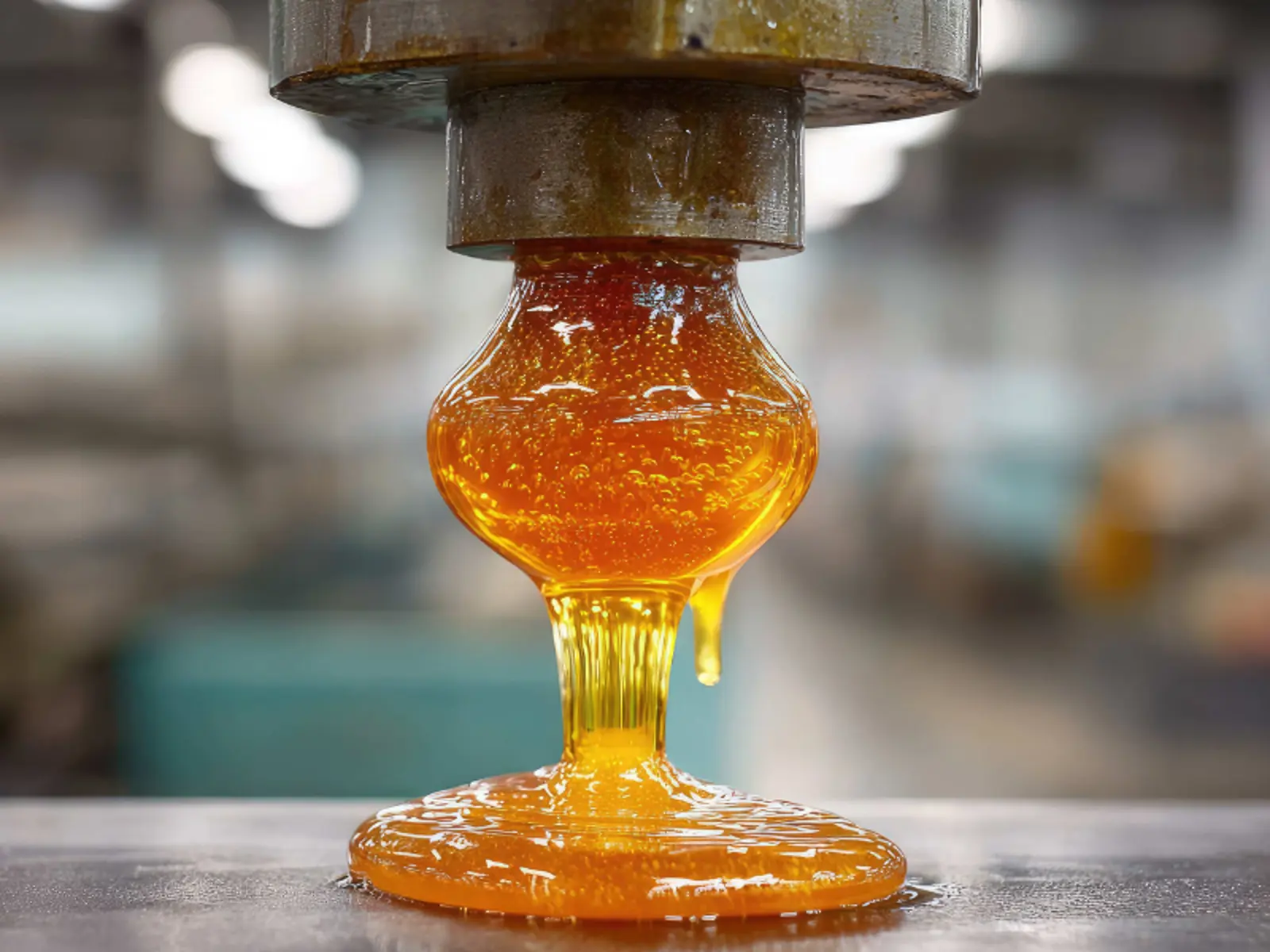
Viscosity measures a fluid's resistance to flow. For high-viscosity materials, this resistance is highly sensitive to temperature.
When temperature drops, most fluids become thicker and harder to move. When it rises, they thin out. Some materials—particularly reactive adhesives and sealants—change viscosity unpredictably across a range.
Key effects on piston pump systems:
- Higher viscosity increases inlet pressure requirements and can stall underpowered pumps
- Lower viscosity causes inconsistent bead size or dripping at dispense points
- Fluctuating viscosity makes repeatable dispense volumes difficult to maintain
How Temperature Affects Piston Pump Components
Temperature does not only change how the fluid behaves. It also affects the pump itself.
Seals and packings expand and contract with temperature. Seals rated for one operating range may leak or harden outside it—especially during cold starts at shift startup.
Many of these symptoms are misdiagnosed as pump failures. The root cause is often a viscosity change driven by ambient or process temperature.
Matching Piston Pump Capability to Temperature Conditions
Selecting a piston pump for your peak operating viscosity is not enough. You also need to account for worst-case conditions—the coldest your facility gets and the coldest a drum of adhesive or sealant can be when it arrives from storage.
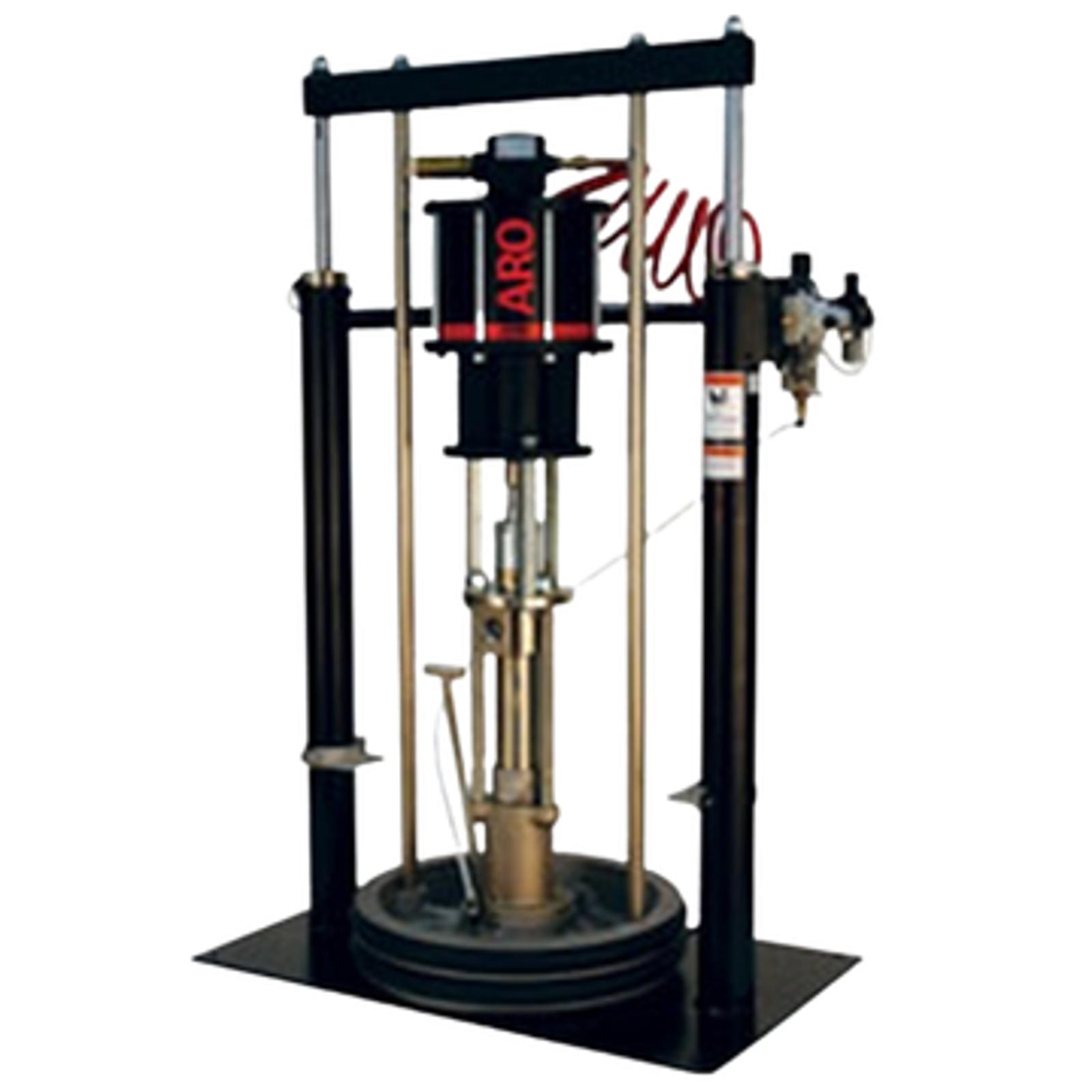
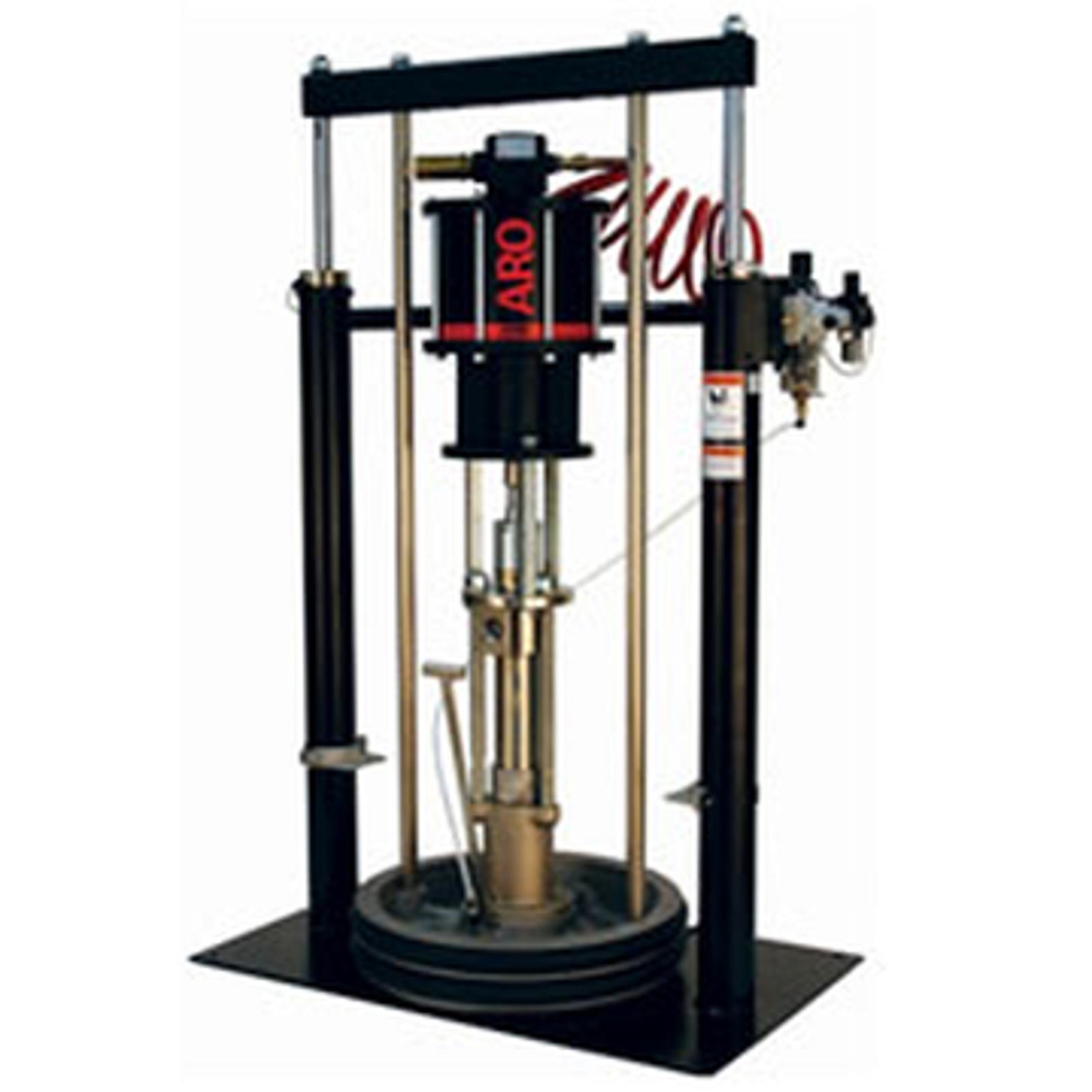
Pressure ratio matters. A higher-pressure ratio gives you the headroom to move thicker material at lower temperatures without stalling. Our chop-check piston pumps handle materials from 15,000 to 1,000,000+ cPs and are available in pressure ratios from 5:1 to 65:1.
Stroke length also plays a role. Our 6-inch stroke design delivers more fluid per cycle, reducing cycle count when inlet conditions are difficult—and limiting wear on seals and packings during cold starts.
Practical Steps to Stabilize High-Viscosity Piston Pump Performance
You can reduce the impact of temperature variation with a combination of equipment selection and process controls:
- Store drums of adhesive and sealant at controlled temperatures before use, particularly in cold-climate facilities
- Use heated hoses or drum heaters for materials that thicken significantly below 20°C (68°F)
- Monitor fluid temperature at the inlet—drums stored near exterior walls may be several degrees colder than ambient
- Select piston pumps rated for your worst-case viscosity, not average operating conditions
- Inspect seals and packings seasonally to catch wear before it causes unplanned downtime
Our Piston Pumps for High-Viscosity Fluid Handling
ARO Chop-Check Piston Pumps
ARO 2-Ball Piston Pumps
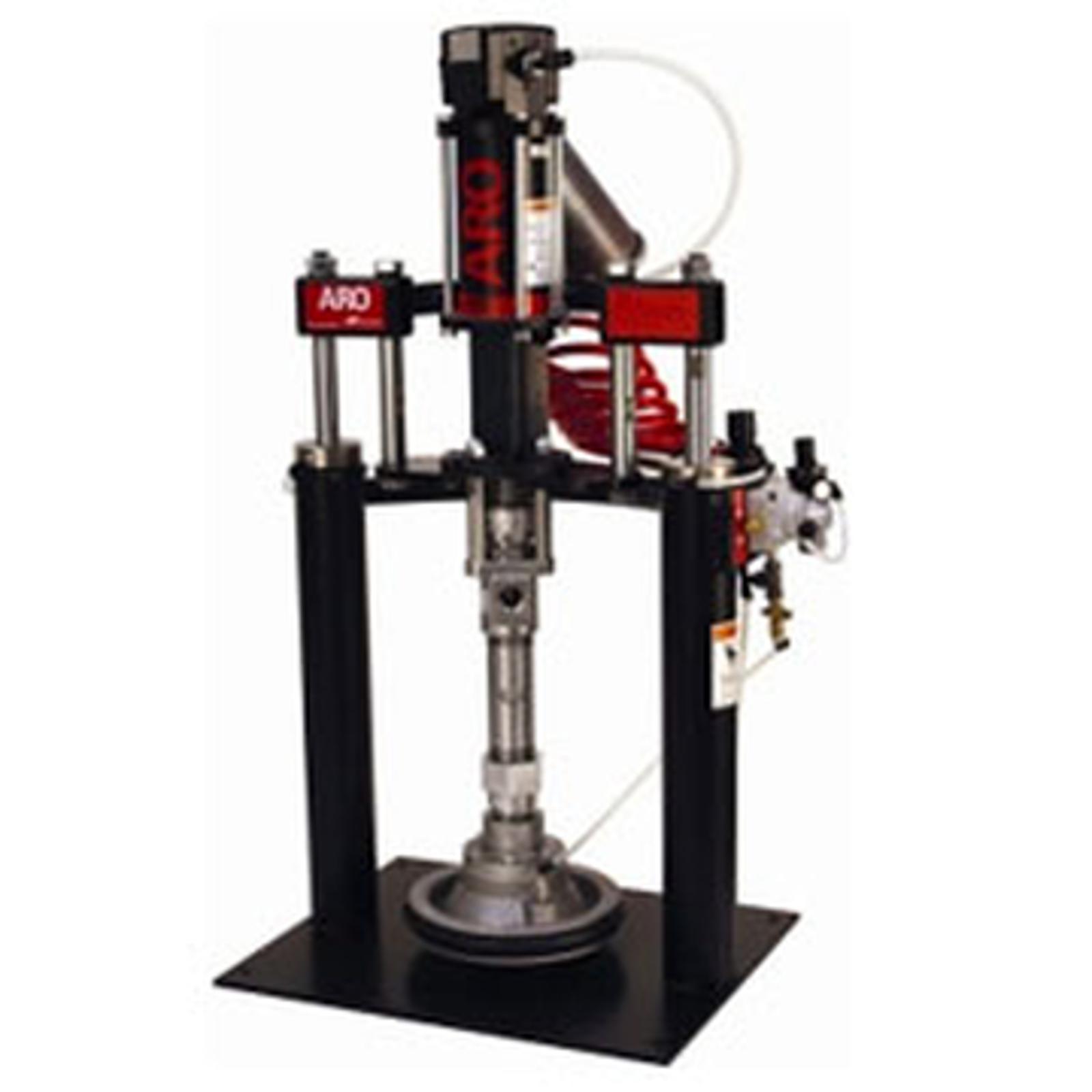
2-Ball piston pumps are designed for uniform, consistent fluid delivery. They handle a variety of applications, from simple transfer of fluids to the extrusion of low- to medium-viscosity materials up to 100000 CPs.
Custom Piston Pump Solutions
Frequently Asked Questions
Reach out to us