Products
Diaphragm Pumps
Piston Pumps
Drum Pumps
Centrifugal Pumps
Condensate Pumps
Lubrication Equipment
Filter Regulator Lubricators
Pneumatic Valves & Cylinders
Parts & Accessories
Services
Technologies
How Diaphragm Pumps Work
How Do Powder Pumps Work
Electric Diaphragm Pumps: An Overview
Piston Pump Working Principles
How Drum Pumps Work
Support
Diaphragm Pumps Product Selector
Piston Pump Selector Tool
Document Library
Chemical Compatibility Guide
Blog
AODD Manufacturer Comparison Guide
Knowledge Hub
On-Demand Webinars
ARO Product Park
Industries
General Manufacturing
Chemical Transfer
Lubrication
Energy
Mining
Data Centers
Food & Beverage
Other Industries
About Us
News
Blog
Become a Distributor

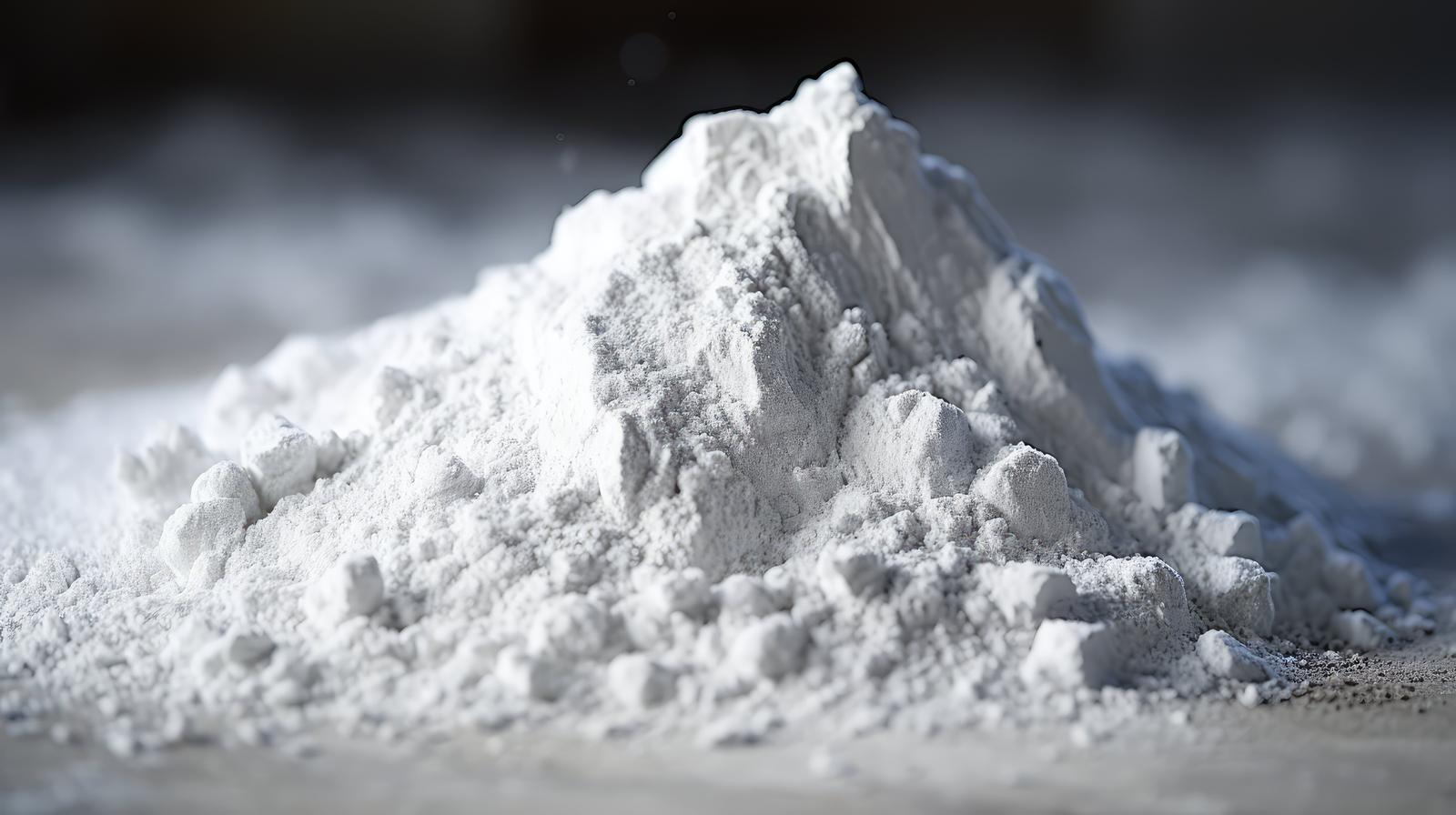
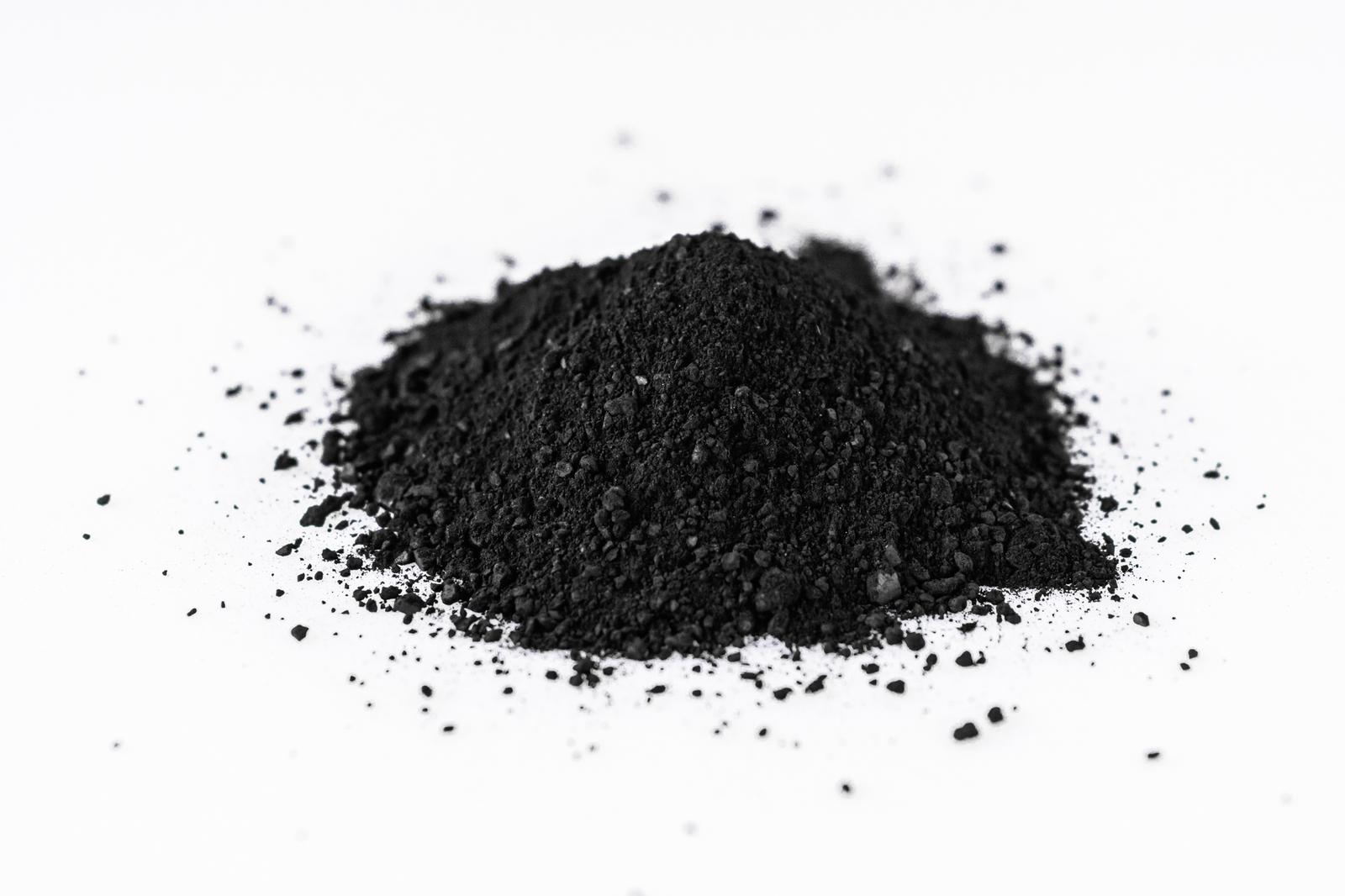
ARO pneumatic powder pumps are designed to transfer dry powders faster, cleaner, and more cost-effectively than traditional systems. With their patented technology, portable design, and ATEX certification, they offer unmatched performance and reliability for various industrial applications, from chemicals to printing.

Replace Manual Powder Transfer Processes:

  • Reduce Airborne Contamination - With direct transfer from the powder container to your recipe.
  • Unique Patented Air-Induction System - Avoids the possibility of powder pack-out.
  • Portable - Can be moved from site to site.
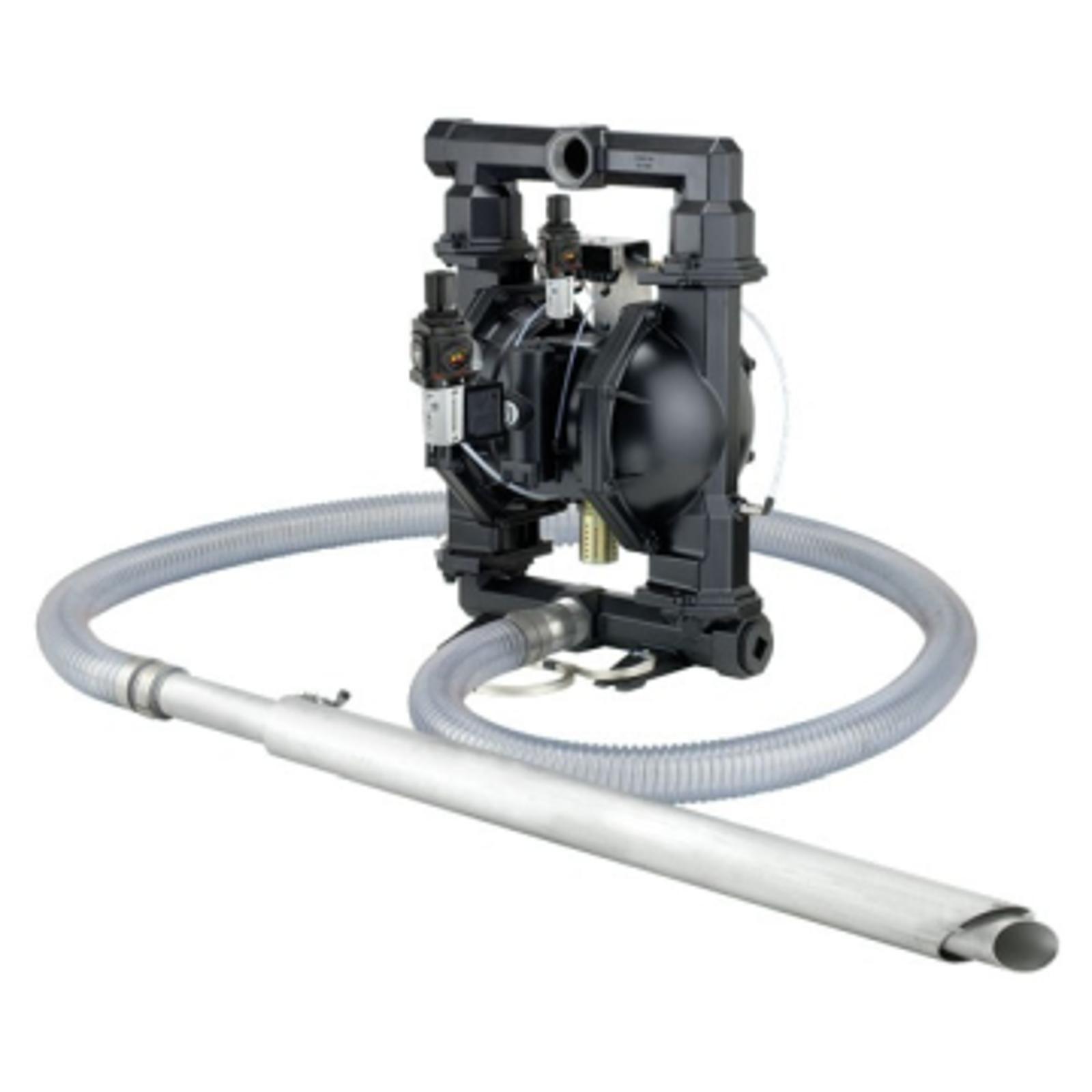
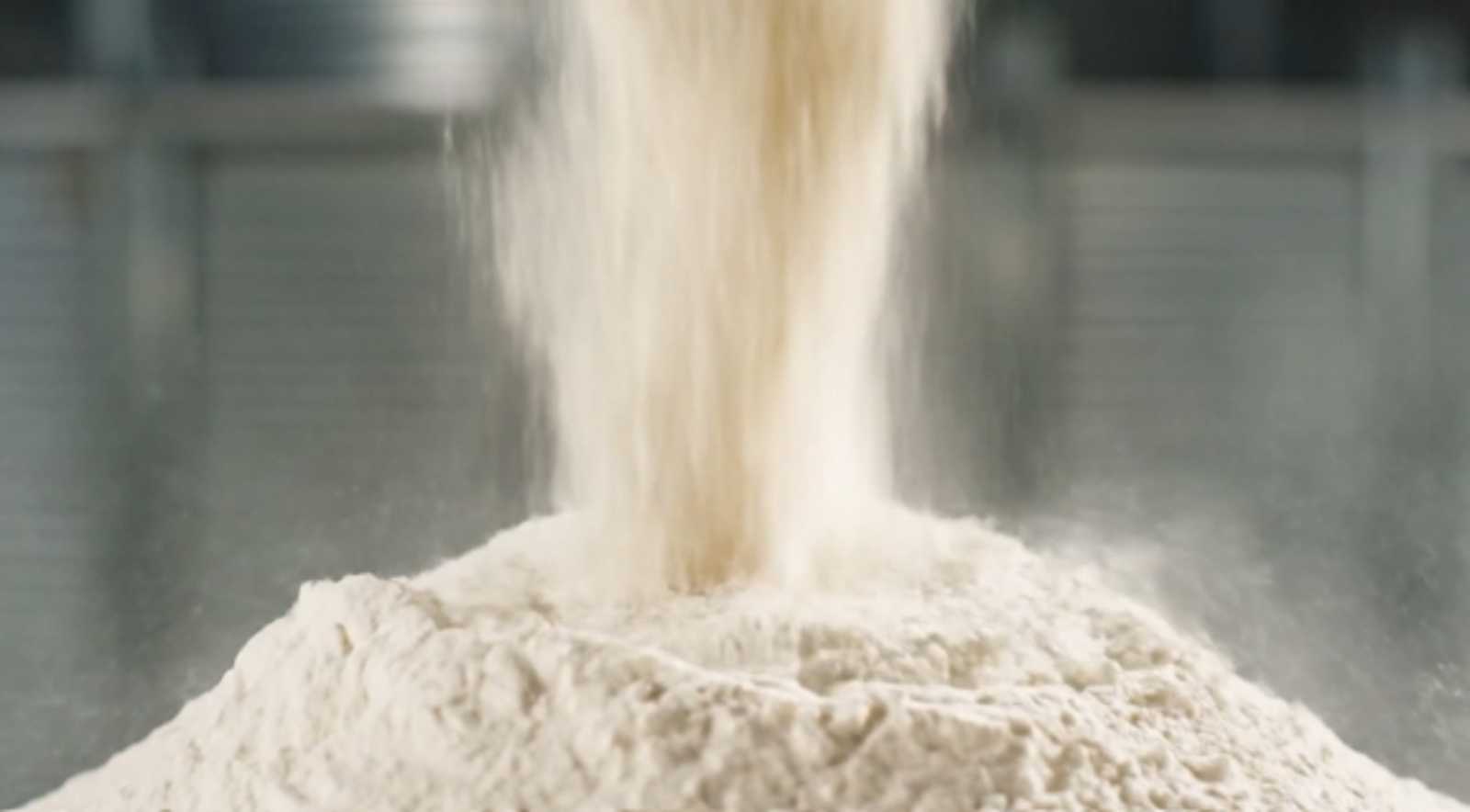
aro powder pumps transfer and handle

How Do Pneumatic Powder Pumps Work?

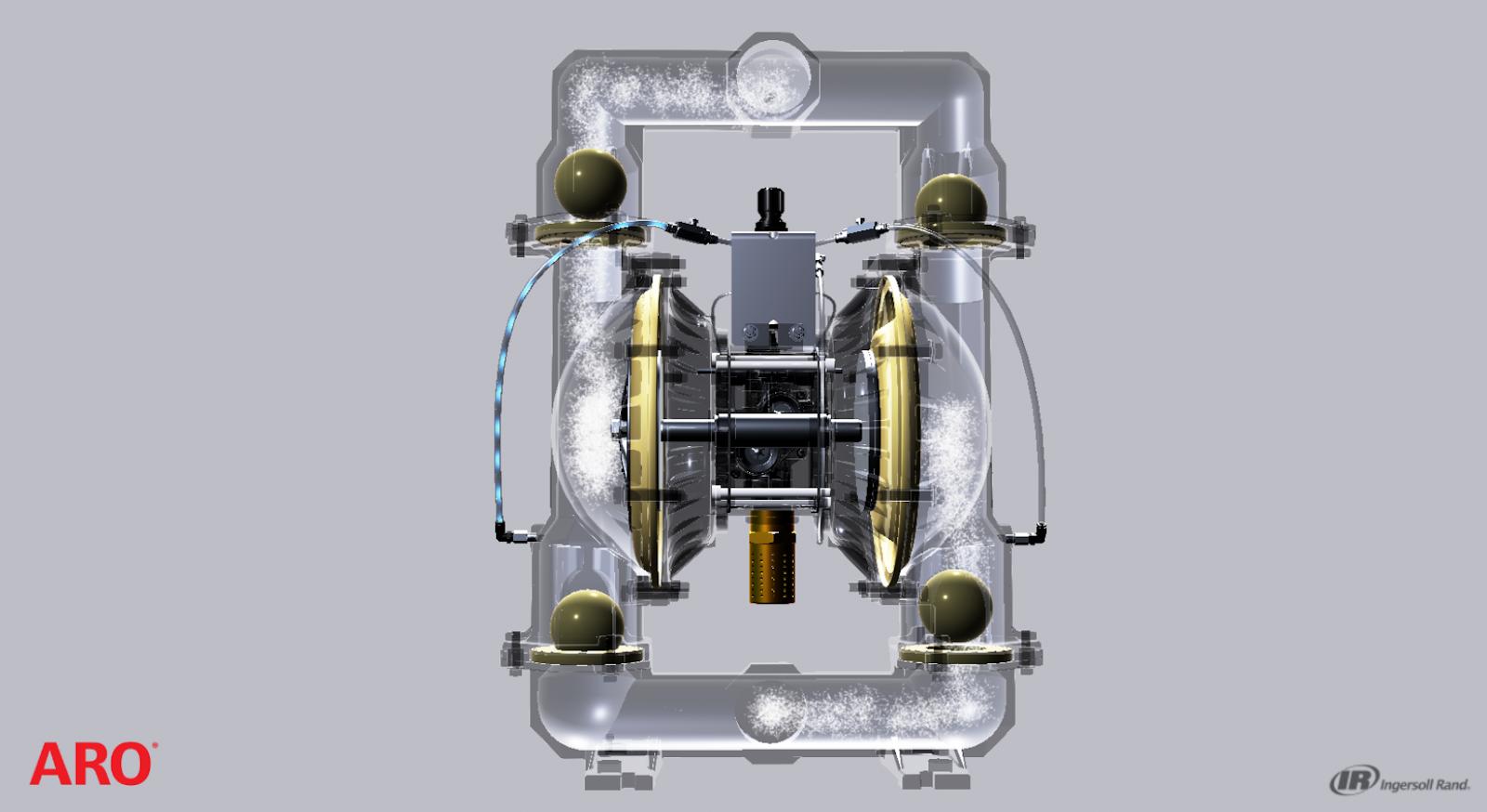
ARO powder pumps operate through a simple yet effective process:

  1. Fluidization: Compressed air fluidizes the powder, making it easier to move.
  2. Suction and Discharge: The pump’s diaphragms move back and forth, creating alternating suction and discharge cycles. This action draws the fluidized powder into the chamber and pushes it out through the discharge port.
  3. Patented Air-Induction System: This unique system prevents powder pack-out and optimizes powder aeration for consistent flow.
  4. Built-in Delay Timer: Ensures proper fluidization before start-up, reducing downtime.
  5. 4-Way Air-Efficiency Valve: Minimizes air consumption, reducing costs and energy use.

Additional Features or ARO powder pumps are:

  • Main Air Control Valve: Directly controlled by the delay timer for precise start-up.
  • Stall-Free Air Valve: Ensures continuous, reliable operation without interruptions.
aro pump pump working priniciple

Start With Your Powder Transfer Application

Select your industry to explore common dry powder applications and ARO pump solutions.

Pneumatic Powder Pump: How Dry Powder Transfer Works

To load this content, approve your cookie preferences and allow the required cookies.

Watch Cleaner, Smarter Powder Transfer in Action

Explore how ARO technology reduces airborne dust, material waste, and manual handling.

How to Install a Pneumatic Powder Pump?

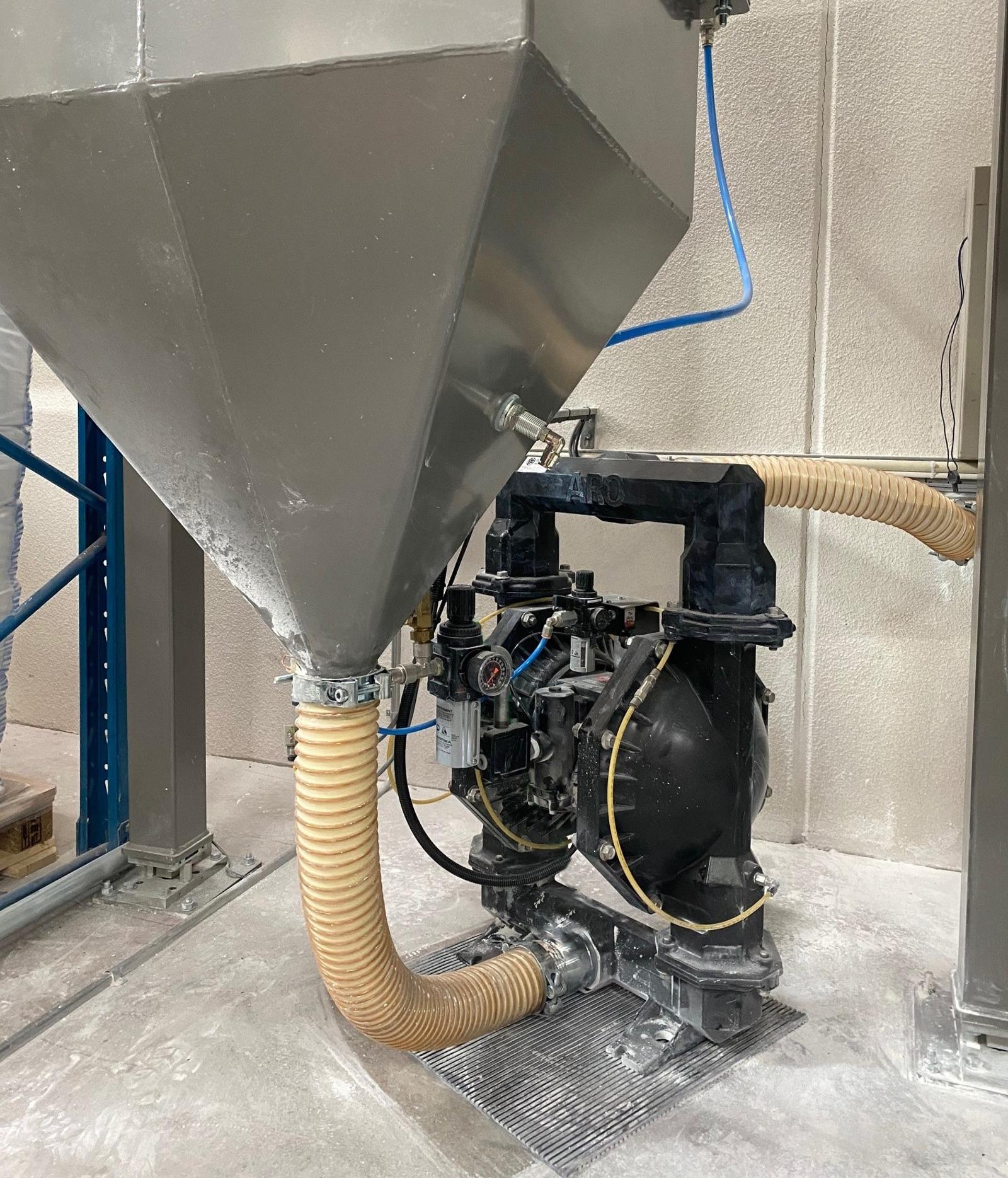
ARO pneumatic powder pumps support flexible installation across various industrial powder transfer processes.


  1. Position the Pump
    1. Place the portable pump between the powder source and receiving equipment.
    2. The pump can also be mounted securely onto compatible existing equipment.
  2. Prepare the Compressed Air Supply
    1. Provide a stable, filtered compressed air supply for consistent pump performance.
    2. Confirm that the available air supply meets the pump’s technical requirements.
  3. Install the Air Filter and Regulator
    1. Connect the air filter and regulator to the compressed air supply.
    2. These components maintain clean, regulated airflow during the powder transfer process.
  4. Secure the Air and Powder Connections
    1. Connect the compressed air line and powder intake according to instructions.
    2. Check every connection carefully to help prevent leaks during operation.
  5. Confirm Environmental Compatibility
    1. Verify that the selected configuration suits the planned industrial operating environment.
    2. Use an appropriate ATEX-certified configuration within applicable hazardous or classified areas.


ARO Powder pump installed

Powder Pump Startup & Troubleshooting

To load this content, approve your cookie preferences and allow the required cookies.

Watch the ARO Powder Pump Start-Up Guide

Watch the video for practical guidance on reliable start-up and common troubleshooting checks.

Why Choose ARO Pneumatic Powder Pumps?

ARO pneumatic powder pumps offer numerous advantages for industries handling dry powders:

  • High Performance: Efficiently transfers powders up to 721 kg/m³ (45 lb/ft³) with consistent flow and reduced downtime.
  • Patented Technology: Features a unique air-induction system and a 4-way air-efficiency valve, preventing powder pack-out and reducing air consumption.
  • Built-in Delay Timer: Ensures optimal powder fluidization before start-up, enhancing reliability.
  • Safety First: ATEX-certified for use in hazardous environments, ensuring compliance and worker protection.
  • Portability: Easy to move between sites or integrate into existing systems without extensive modifications.
  • Expert Support Network: ARO’s global network of distributors provides localized expertise, installation support, and maintenance services.
  • Custom Solutions: Tailored systems available, including skid-mounted configurations for specialized applications.
  • Proven Reliability: Tested with over 1,000 different powders, ensuring dependable performance across diverse industries.


Green checkmark on white background

Real-World Benefits of ARO Powder Transfer

"Since we started using the ARO powder pumps in our production line, our efficiency has skyrocketed! The pumps handle even the most challenging dry materials with ease and reliability, which has significantly reduced our maintenance costs. The consistent, high-quality performance has kept our operations running smoothly, and the quick serviceability has minimized any downtime!"

Mark ReynoldsProduction Manager

"ARO powder pumps have made daily powder handling cleaner and easier for our production teams. Operators spend less time manually moving materials and face less airborne dust around equipment. Reliable transfer also keeps production moving while supporting a safer, more controlled workplace."

Daniel CarterPlant Operations Manager

Frequently Asked Questions About Powder Pumps

An ARO pneumatic powder pump uses compressed air to fluidize and transfer dry powders. Fluidization introduces air into the powder, making the material easier to move. Reciprocating diaphragms then create alternating suction and discharge cycles inside the pump. These cycles draw fluidized powder inward and push it through the discharge port. A patented air-induction system supports aeration and helps prevent powder pack-out.