
Optimizing High-Viscosity Dispensing Systems for Boatbuilding
This article explores how to optimize high-viscosity dispensing systems in marine manufacturing by understanding fluid behavior, selecting the correct pump technology, and sizing systems based on at‑rest viscosity. It highlights common challenges such as cavitation, pressure loss, and poor material flow, and explains how properly configured components ensure consistent, efficient dispensing in boatbuilding applications.
Select, Size, and Configure Dispensing Systems That Handle the Toughest Marine Fluids
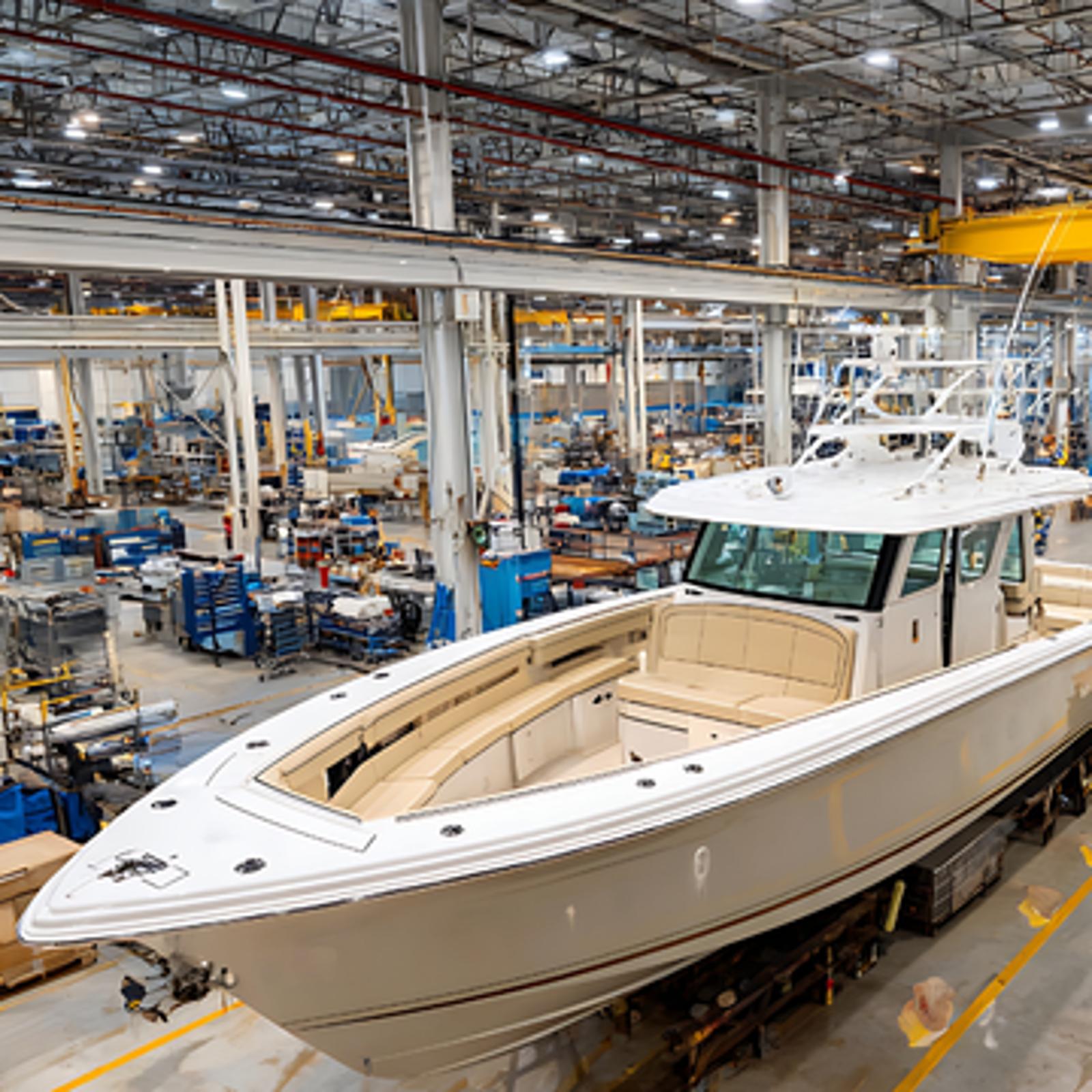
Marine manufacturing depends on a wide range of thick, demanding fluids — hull bonding adhesives, structural sealants, gel coats, and anti-corrosion compounds. These are not interchangeable. Each behaves differently under pressure, temperature change, and shear force. A dispensing system that works well for one material may fail completely on another.
Getting the system right from the start prevents flow inconsistencies, unplanned downtime, and costly rework on the production floor.
Understanding Viscosity in Marine Fluid Applications
Viscosity measures a fluid's resistance to flow. Before selecting any component in a high-viscosity dispensing system, it helps to understand where your material sits in the range — and how it behaves beyond the datasheet number.
In marine manufacturing, common working materials span a wide range:
- Light marine coatings and primers: 500–5,000 cPs
- Polyurethane and polysulfide sealants: 20,000–200,000 cPs
- Structural epoxy adhesives: 50,000–500,000 cPs
- Hull mastics and filled compounds: up to 1,000,000+ cPs
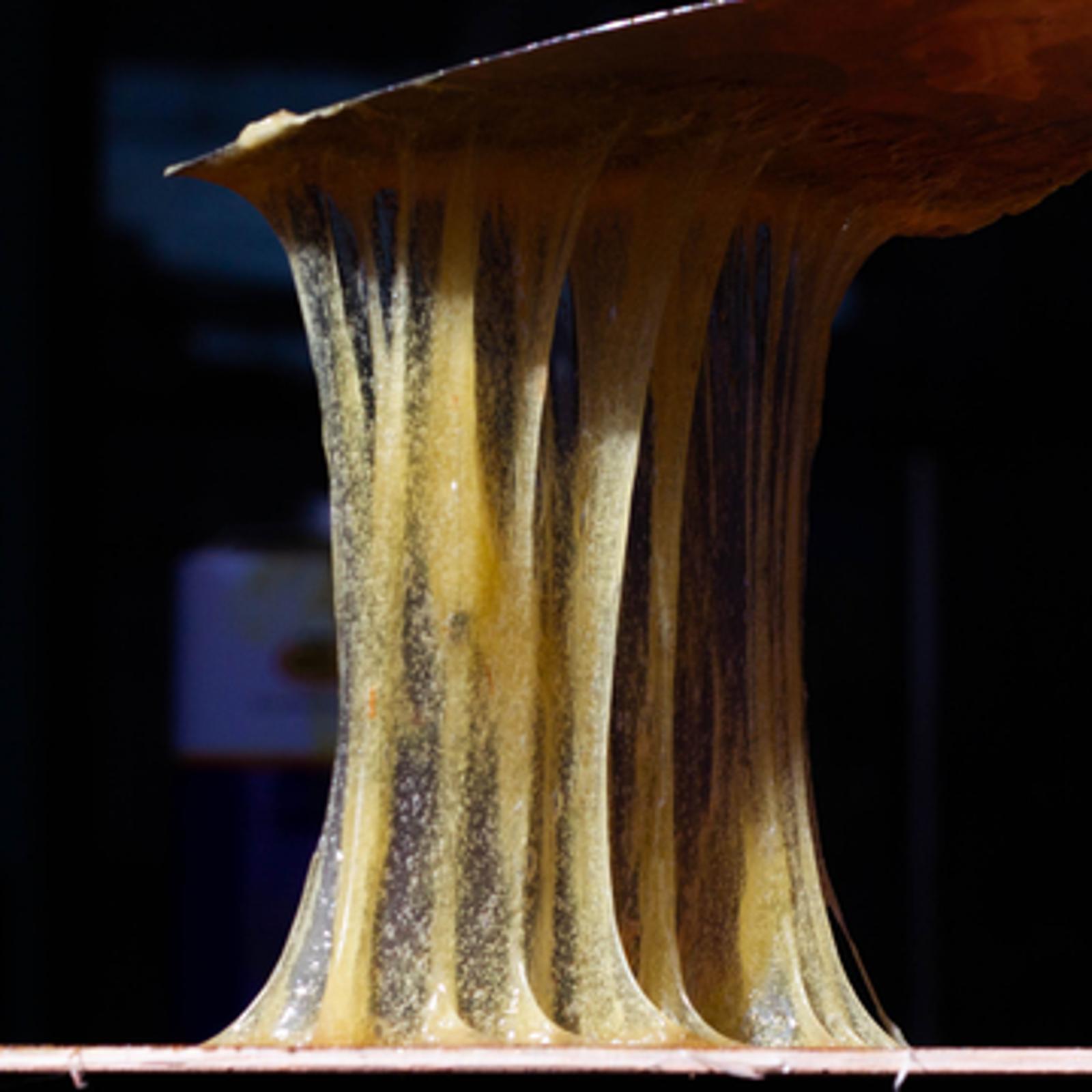
Most of these fluids are thixotropic — they thin under shear and thicken at rest. This means a material that flows under pump pressure may behave very differently sitting in a fluid line or follower plate overnight. Temperature adds another variable: the same sealant can behave significantly differently at 10°C (50°F) versus 25°C (77°F), and the degree of change varies by fluid chemistry and formulation.
This is why high-viscosity dispensing systems must be sized to at-rest viscosity, not just working viscosity. Sizing only to working conditions is one of the most common causes of cold-start failures and inconsistent output in marine production environments.
Common Dispensing Challenges in Boatbuilding
These are the most common failure modes in high-viscosity fluid handling — and what causes them.
Cavitation and inlet starvation. When a pump cycles faster than the fluid fills the inlet chamber, cavitation occurs. With high-viscosity materials this is more likely at lower temperatures, causing inconsistent output and accelerated internal wear.
Check valve failure under thick fluids. Above roughly 50,000 cPs, ball-and-seat check valves become unreliable. Incomplete valve closure causes backflow and pressure loss mid-cycle, directly affecting bead consistency at the dispensing point.
Pressure drop across long fluid lines. Pressure drop increases with both viscosity and line length. A system delivering adequate pressure at the pump outlet may arrive at the gun with insufficient force to extrude material consistently.
Poor container evacuation. High-viscosity materials do not self-level. Without a properly fitted follower plate and adequate ram pressure, material channels around the plate — creating waste and pressure inconsistencies toward the end of the container.
Matching Pump Technology to Marine Fluid Viscosity
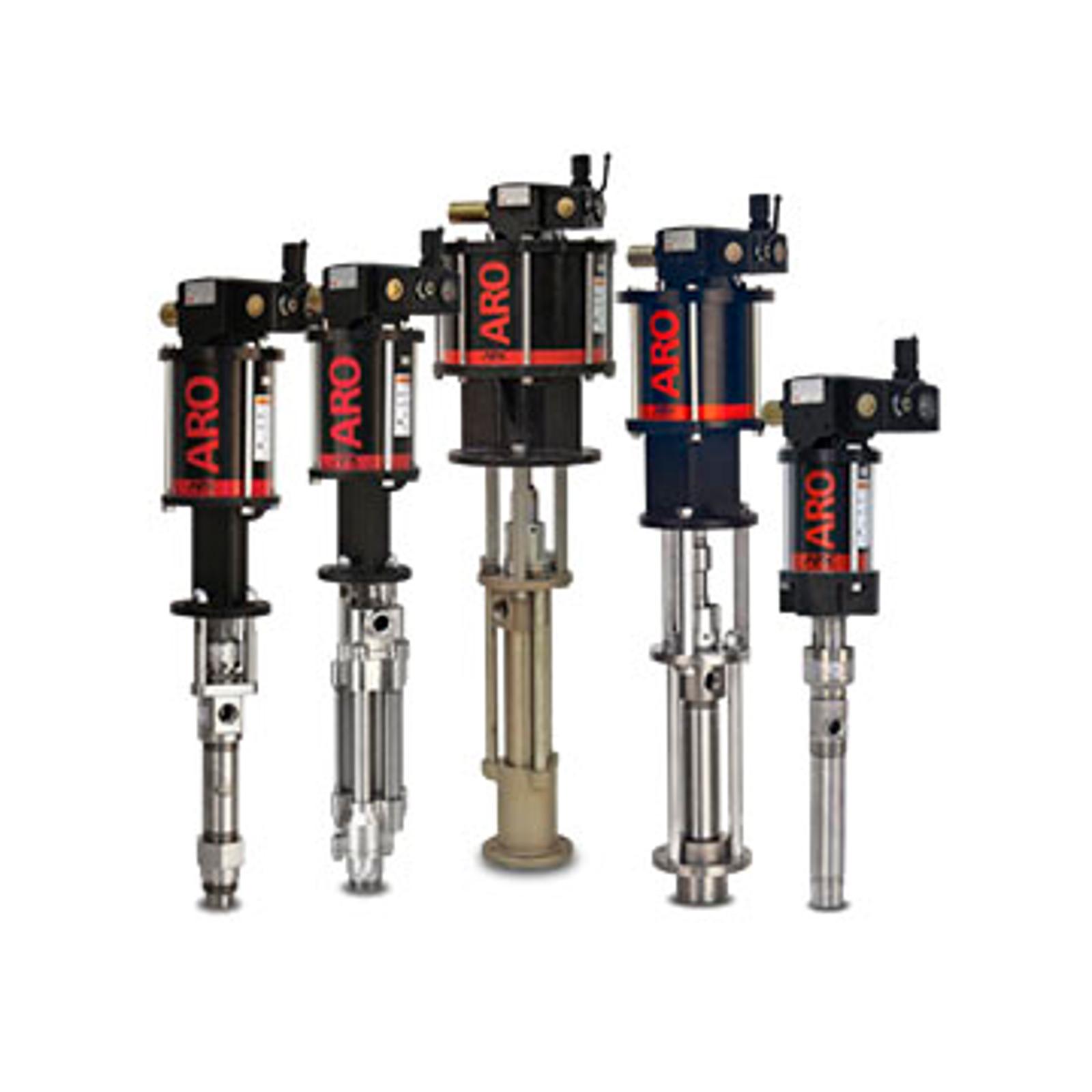
The right pump for a marine application depends on three factors: viscosity range, required flow rate, and whether the fluid is shear-sensitive. ARO piston pumps cover the full range encountered in boatbuilding across three technologies — each suited to a different part of the viscosity spectrum.
Alongside pump type, pressure ratio selection is equally important. Coating applications may require as little as 5:1. Structural adhesive dispensing often needs 50:1 or higher to maintain consistent bead pressure at the gun.
Why ARO for High-Viscosity Marine Applications
- Full viscosity coverage. A single pump family spans from light coatings to materials exceeding 1,000,000 cPs.
- Ceramic-coated plunger rods and cylinder tubes. Extend service life when handling abrasive or particle-filled materials such as loaded adhesives and anti-corrosion compounds.
- 6-inch (152 mm) stroke. Delivers more output per cycle, reducing cycling frequency and component wear at equivalent flow rates.
- Pressure ratios from 5:1 to 65:1. Allows precise matching between pump output and the specific pressure requirement of each application.
- Ready-to-install complete packages. Every component — pump, air motor, ram, follower plate, pressure regulator, dispense valve, hose, and controls — pre-matched, assembled, and tested as a single system.
- Custom solutions available. For requirements beyond standard configurations, the ARO Solution Center in Mooresville, NC (USA) designs, assembles, and tests custom pumping systems built around your specific process and materials.
FAQ
Materials above 50,000 cPs are generally treated as high-viscosity in pump selection. Above this range, flow-dependent check valve designs become less reliable and at-rest viscosity must be factored into system sizing.
Related Solutions
Piston Pumps and Packages For Transfer & Extrusion
ARO offers hydraulic piston pumps and pneumatic piston pumps for a variety of applications. Find the right piston pump solution for a range of viscous fluids.
Adhesives & Sealants
Custom Pumping Systems Built for Industrial Performance
Explore Custom-Built Pump Packages Designed Around Your Material, Process, and Timeline.
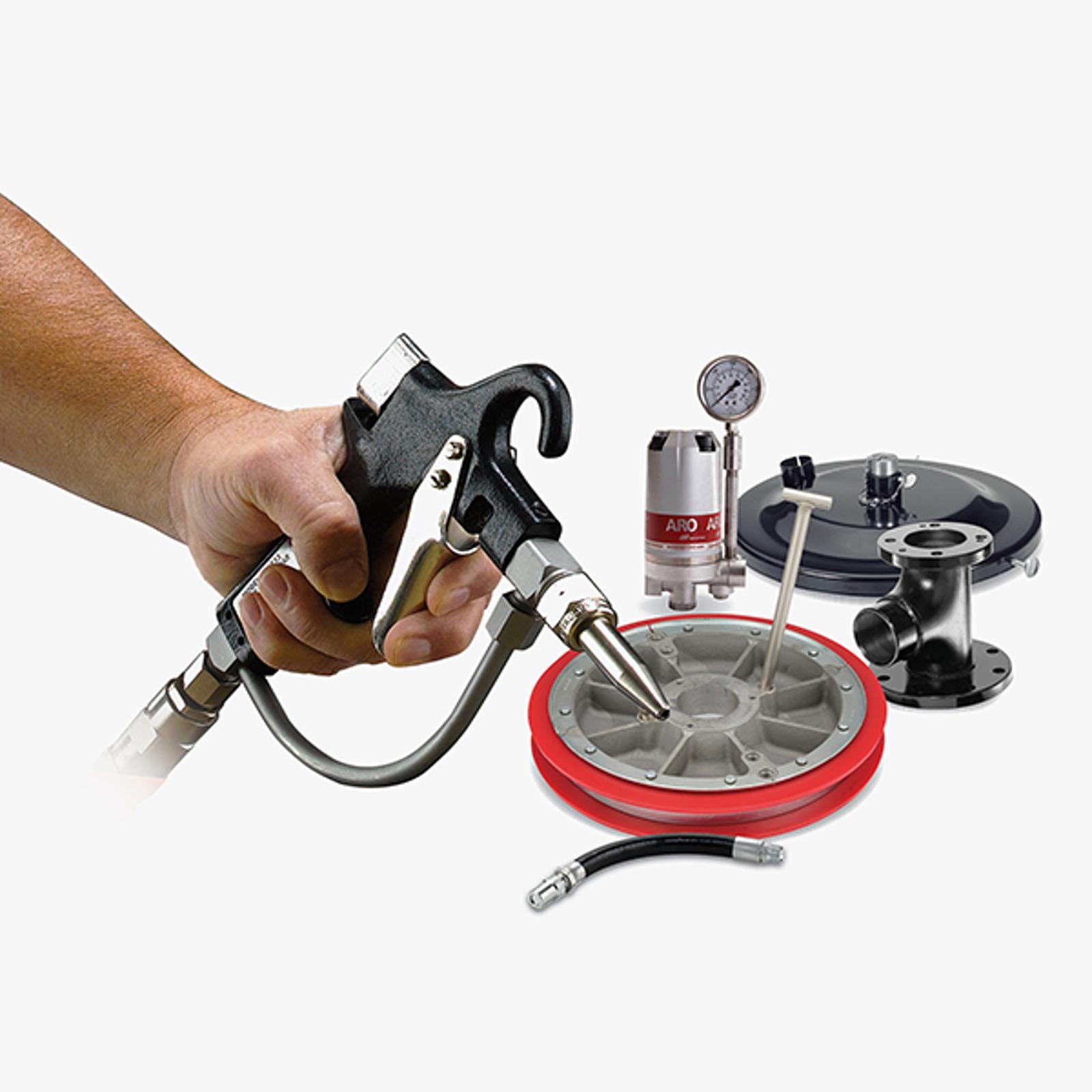
Accessories
Reach out to us