Products
Diaphragm Pumps
Piston Pumps
Drum Pumps
Centrifugal Pumps
Condensate Pumps
Lubrication Equipment
Filter Regulator Lubricators
Pneumatic Valves & Cylinders
Parts & Accessories
Services
Technologies
How Diaphragm Pumps Work
How Do Powder Pumps Work
Electric Diaphragm Pumps: An Overview
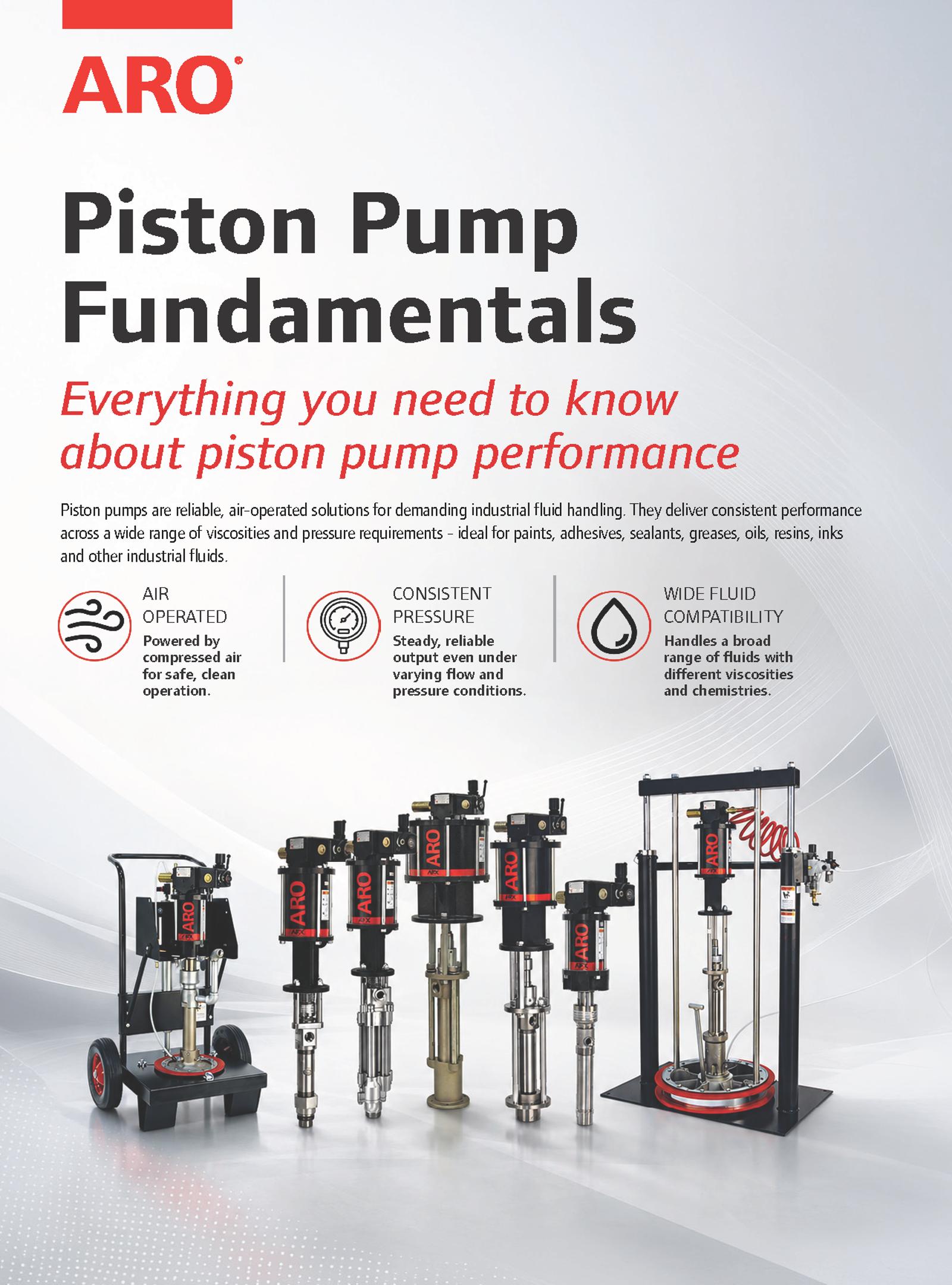
Piston Pump Working Principles
How Drum Pumps Work
Support
Diaphragm Pumps Product Selector
Piston Pump Selector Tool
Document Library
Chemical Compatibility Guide
Blog
AODD Manufacturer Comparison Guide
Knowledge Hub
On-Demand Webinars
ARO Product Park
Industries
General Manufacturing
Chemical Transfer
Lubrication
Energy
Mining
Data Centers
Food & Beverage
Other Industries
About Us
News
Blog
Become a Distributor

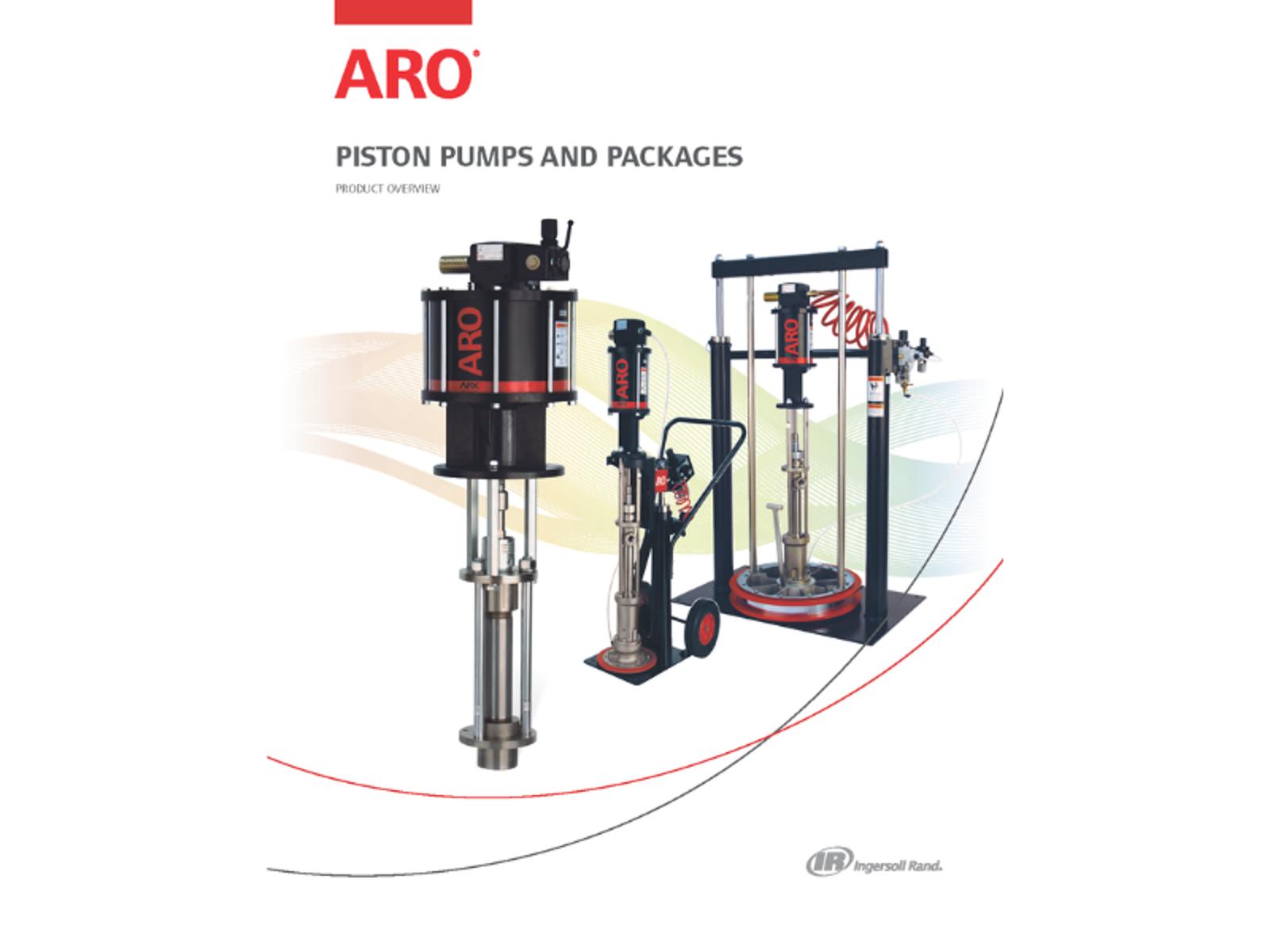
Temperature changes can significantly impact high-viscosity pump performance, affecting flow rates, dispensing accuracy, and process consistency. This guide explains how viscosity shifts influence piston pump operation and what you can do to maintain reliable performance.

Download the guide to learn:

  • How temperature affects adhesives, sealants, greases, and coatings
  • Common causes of stalling, inconsistent dispensing, and seal wear
  • Best practices for sizing pumps for changing material conditions
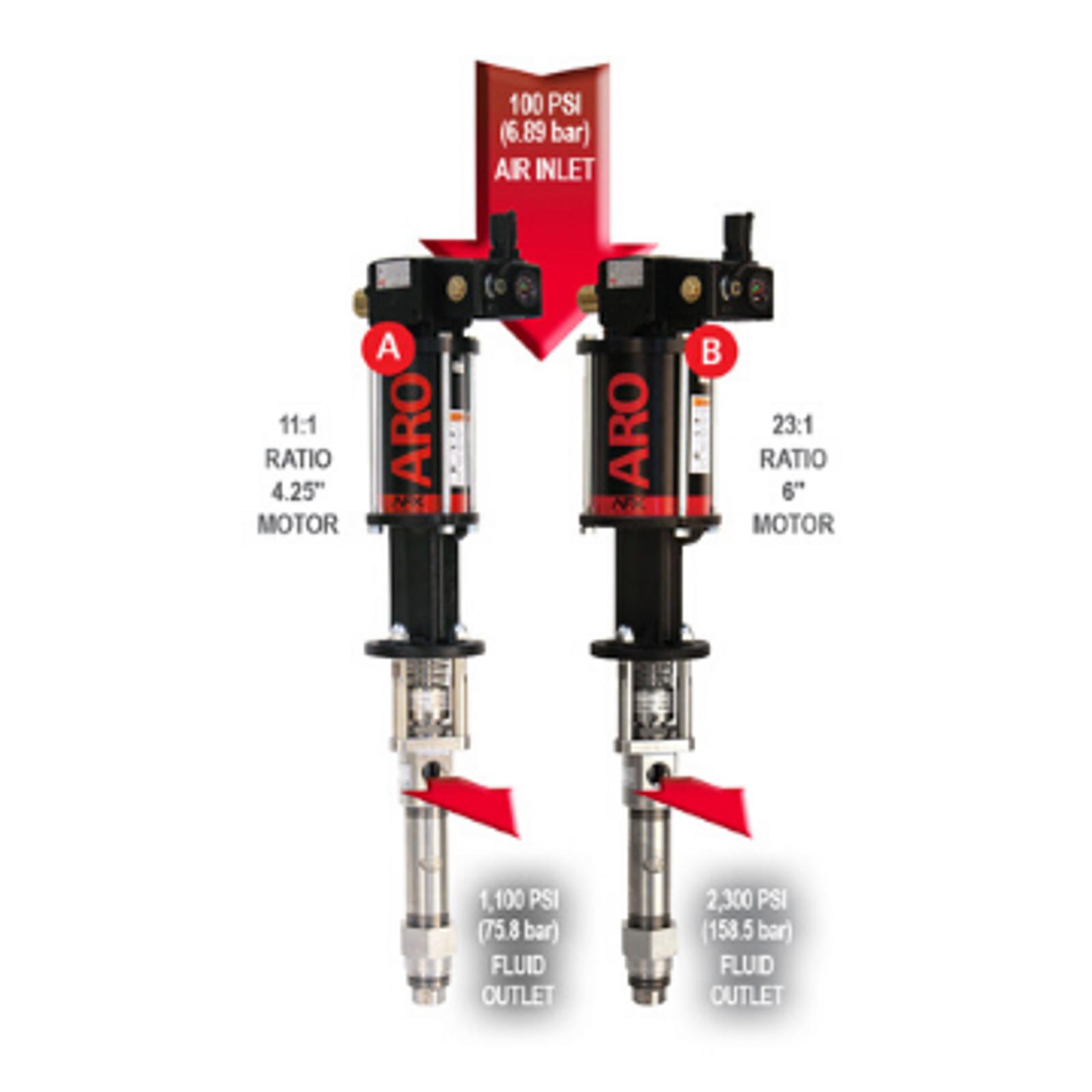
  • How ARO piston pumps help deliver consistent, reliable results

Download now to discover how to optimize high-viscosity pump performance and improve process reliability.
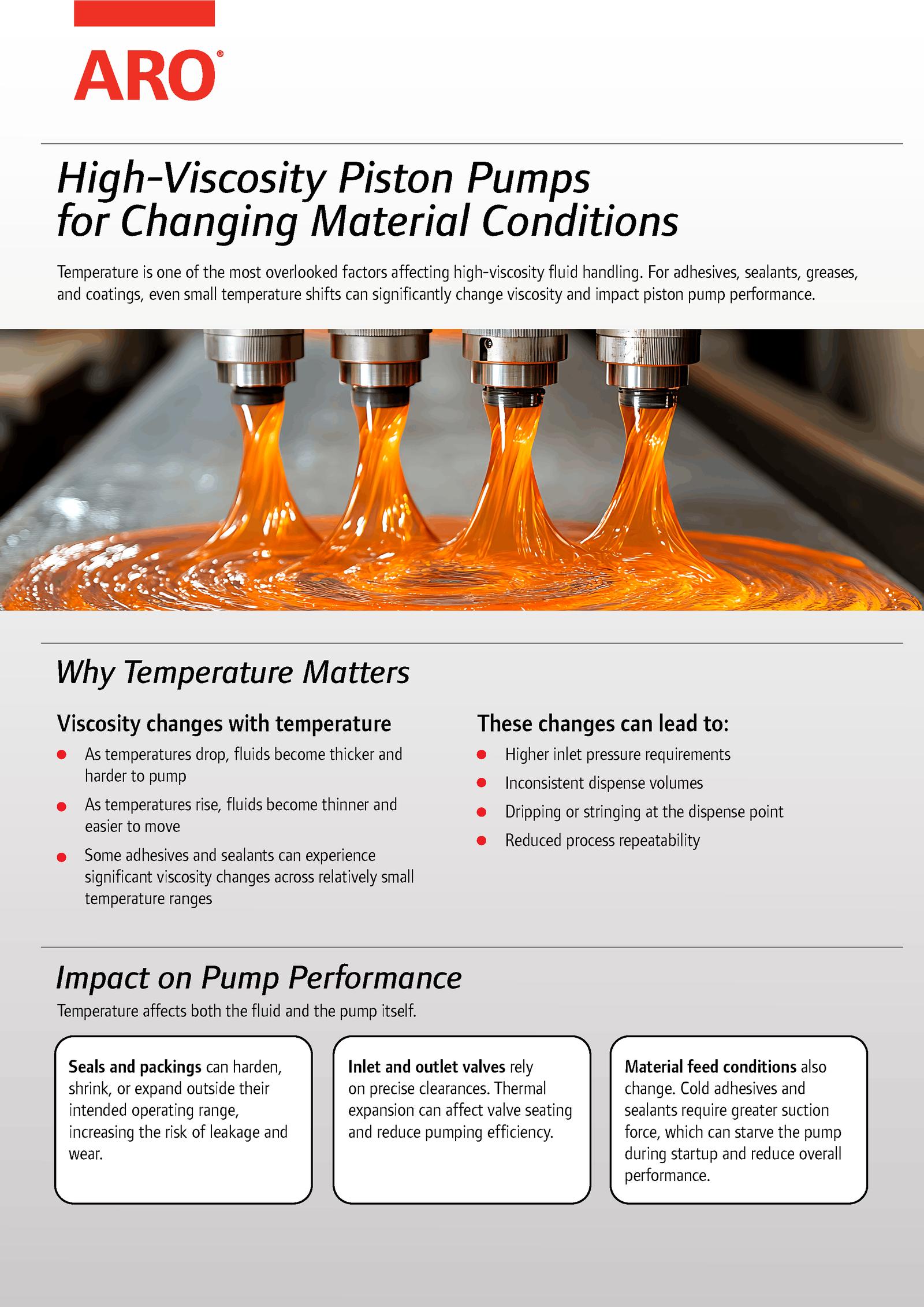
ARO High-Viscosity Piston Pumps For Changing Material Conditions_Page_1.png

Country

Industry

Your request will be forwarded to the relevant individuals to assist with your request.
By clicking 'Send' you are authorizing ARO to contact you so that we may fulfill your request, as well as to communicate with you regarding our products and services.
Terms and Conditions
Privacy Policy

(* required fields)

This site is protected by reCAPTCHA.

Reach out to us