
High-Viscosity Adhesive Piston Pumps for Automotive Assembly
This article explores how high-viscosity adhesive piston pumps play a critical role in modern automotive assembly, where precise and reliable adhesive application is essential for strong, lightweight vehicle construction. It explains the challenges of pumping thick structural adhesives, the advantages of piston pump technology for maintaining consistent flow and pressure, and the key factors that impact bead quality, equipment reliability, and production uptime. Readers will gain practical insights into selecting the right pump solution to improve bonding performance, reduce maintenance issues, and keep assembly lines running efficiently.
Achieve Consistent Bonding with the Right Piston Pump Technology
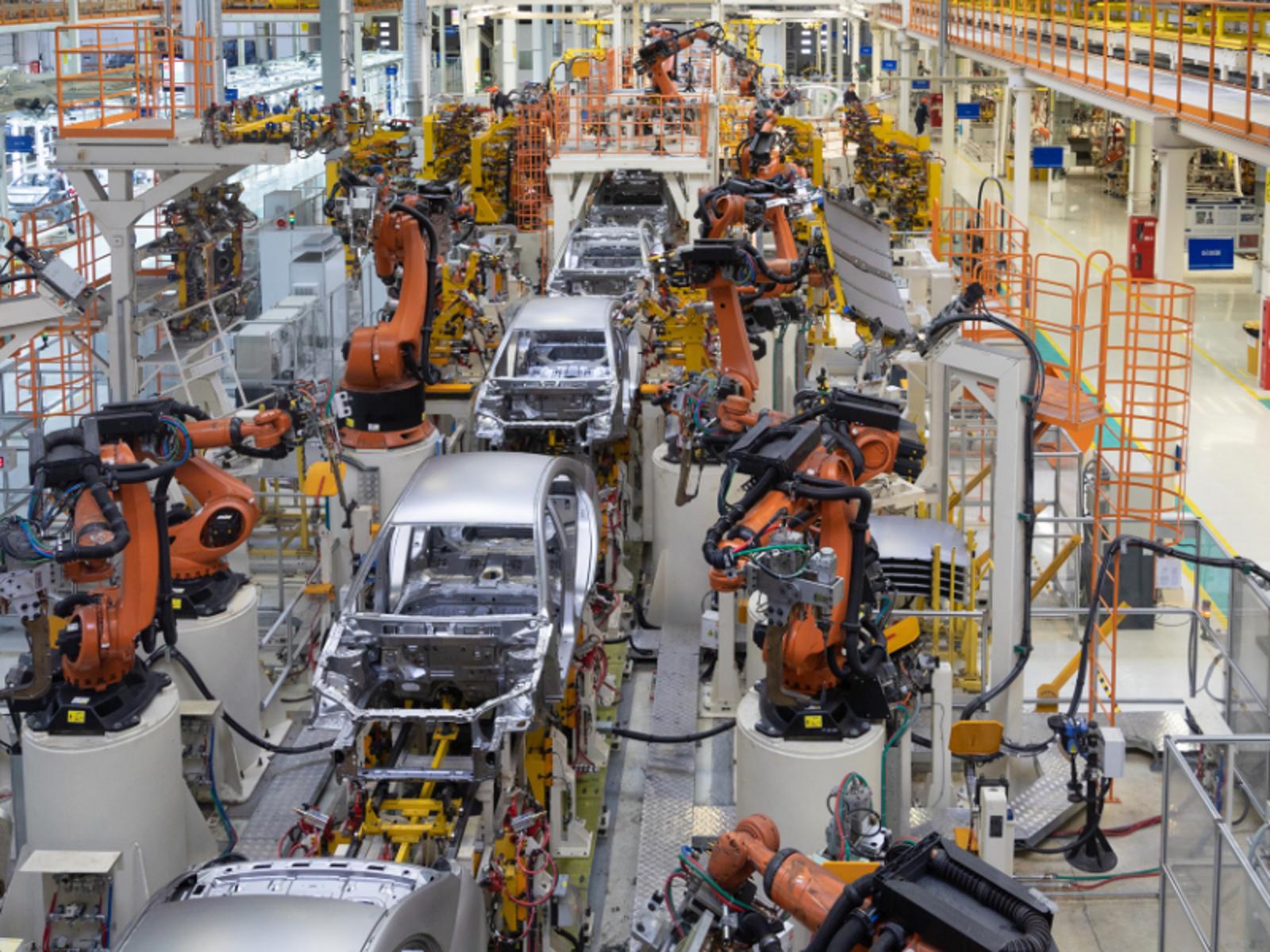
Structural adhesives have become a core part of modern automotive assembly, joining dissimilar materials, reducing weight, and reinforcing crash durability. Moving these adhesives through a system without losing consistency is harder than it looks. High-viscosity adhesive piston pumps are built specifically to handle this challenge — but understanding how they work, and what can go wrong, helps engineers make better decisions before a problem shows up on the line.
Why Adhesive Viscosity Affects Pump Selection
A few things happen as viscosity rises:
- Flow resistance increases, requiring more consistent pressure to maintain output
- Shear-sensitive adhesives can change properties if forced through too quickly
- Abrasive fillers in the adhesive accelerate wear on internal components
Understanding these mechanics is the starting point for choosing the right high-viscosity adhesive piston pumps, rather than simply matching a spec sheet number.
How Piston Pumps Move Thick Adhesives
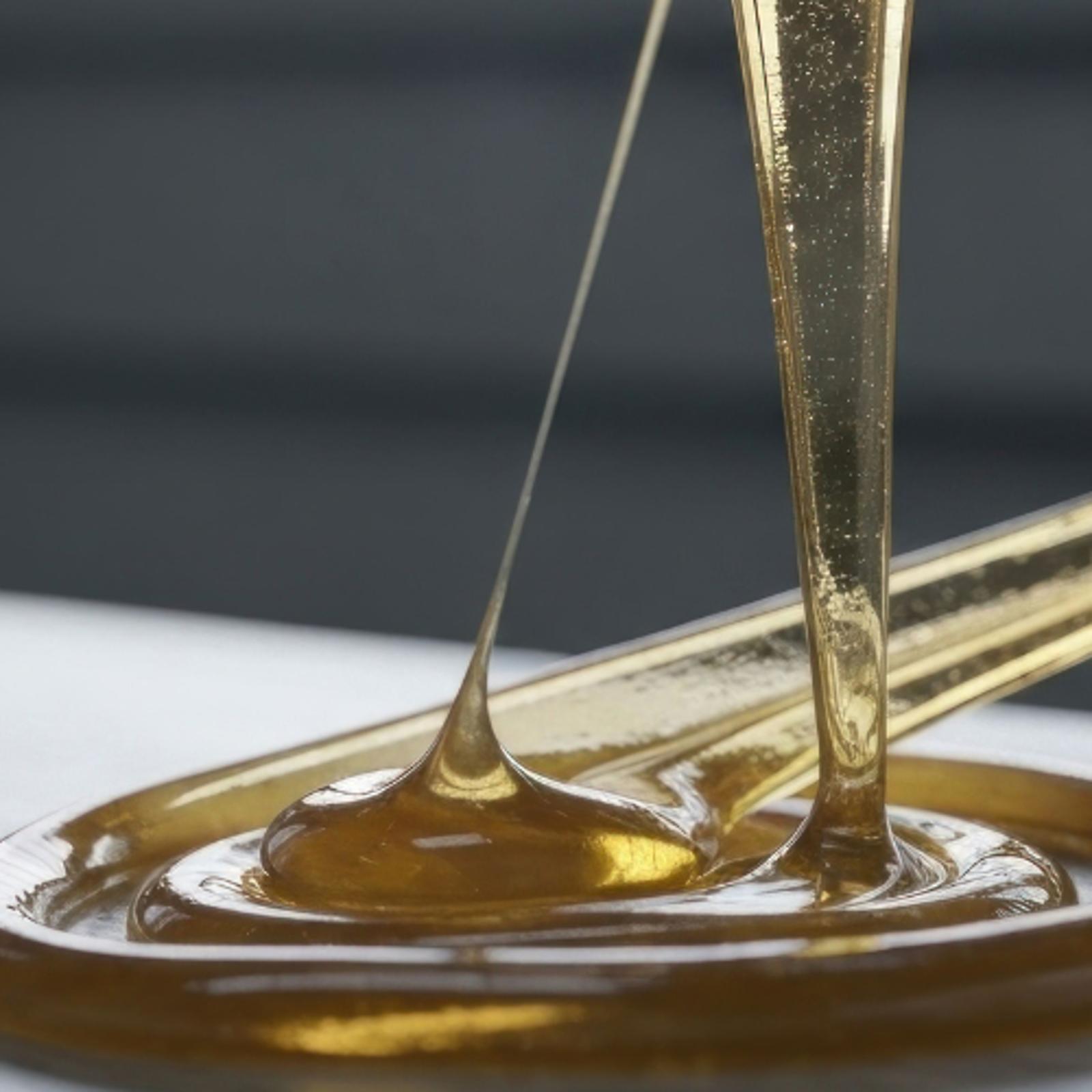
High-viscosity adhesive piston pumps generate displacement through a mechanical stroke rather than relying on suction alone. Each stroke pushes a fixed volume of material, so a longer stroke length means fewer cycles are needed to move the same total volume. Fewer cycles translate to less wear on seals and packings over time, which matters when an adhesive contains abrasive fillers.
This stroke-based design also helps maintain steadier output pressure compared to pumps that rely on diaphragm flexing, which can introduce more pulsation at high viscosities.
What Affects Bead Consistency on the Line
Inconsistent adhesive bead application is one of the most common quality issues on a bonding line. A few root causes show up repeatedly:
- Pressure pulsation caused by pump cycling or worn seals
- A pump sized incorrectly for the adhesive's flow requirements
- Air entrainment introduced during material transfer
- Changes in adhesive temperature affecting viscosity mid-shift
Identifying which of these is occurring usually requires looking at both the pump's mechanical condition and how well it was sized for the application in the first place.
Maintenance Factors That Affect Long-Term Reliability
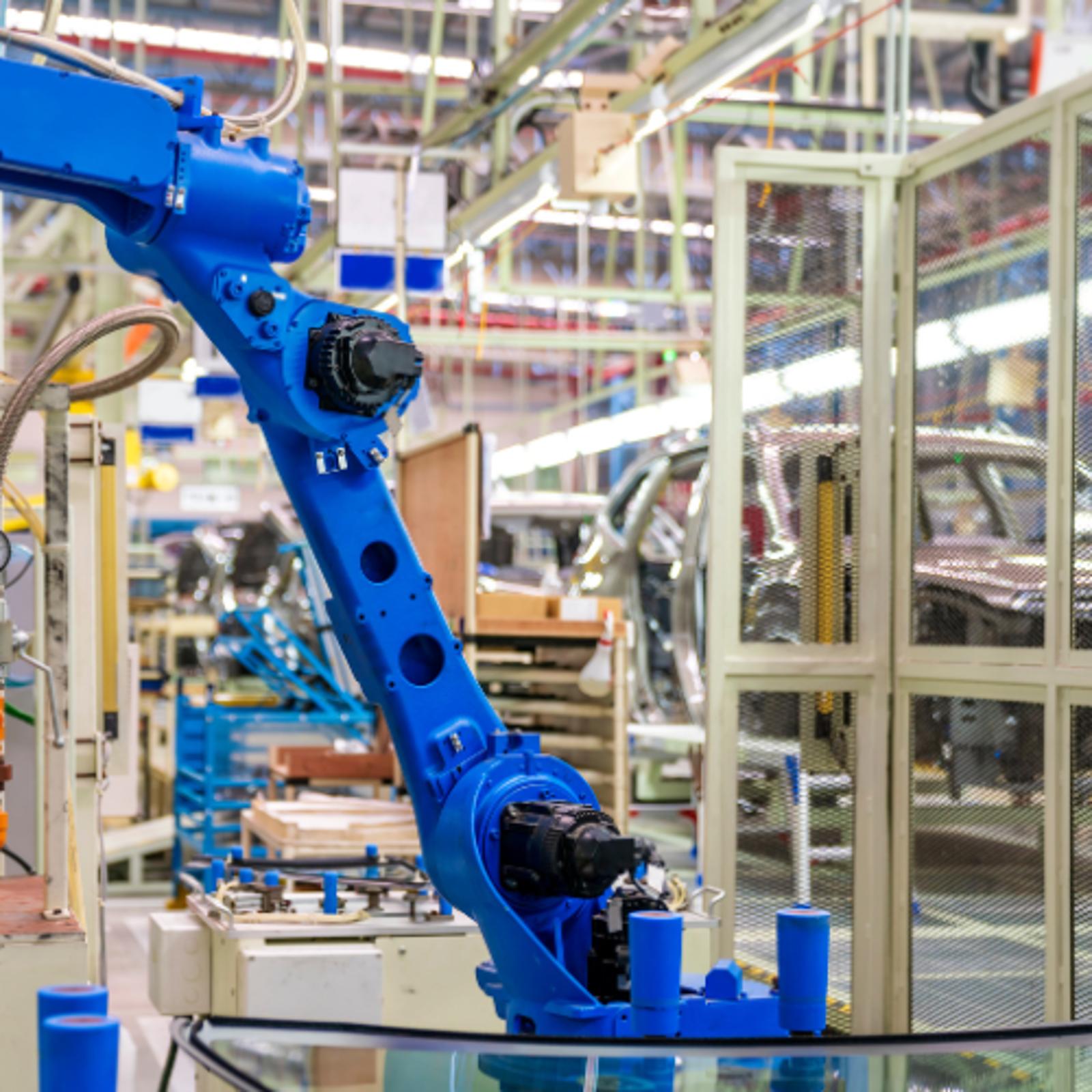
Unplanned downtime on an adhesive bonding line affects more than one station — when a pump can't keep pace with cycle time, the whole line slows. A few design factors influence how often maintenance is needed on high-viscosity adhesive piston pumps:
- Accessibility of plungers and packings for fast field service
- Availability of pre-configured service kits matched to the pump model
- Wear-resistant coatings on components exposed to abrasive fluid
Pumps designed with these factors in mind tend to require less frequent intervention, even under continuous abrasive duty.
Matching Pump Output to Application Requirements
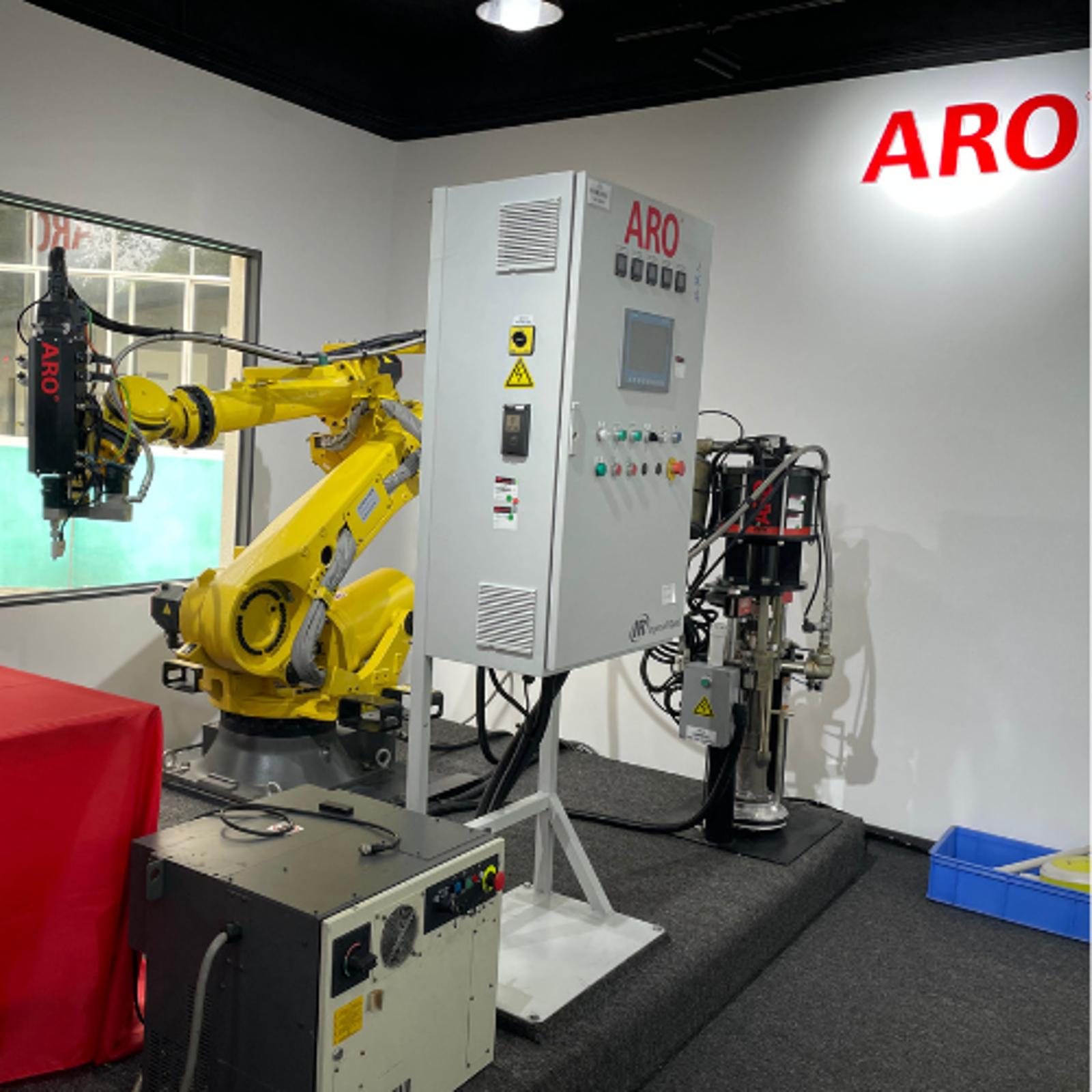
Not every structural adhesive application places the same demands on a pump. Bead application, potting, and gap-filling each require different flow rates, pressure ratios, and dispense behavior. For lower- to medium-viscosity adhesives, 2-Ball piston pumps offer smooth, uniform delivery. For thicker, more abrasive structural adhesives, Chop-Check piston pumps are built to handle the heavier end of the viscosity range.
Beyond standard configurations, we also offer custom pump solutions, allowing facilities to match pump displacement, pressure ratio, and accessory configuration to their specific adhesive and dispense pattern.
Frequently Asked Questions
Related Solutions
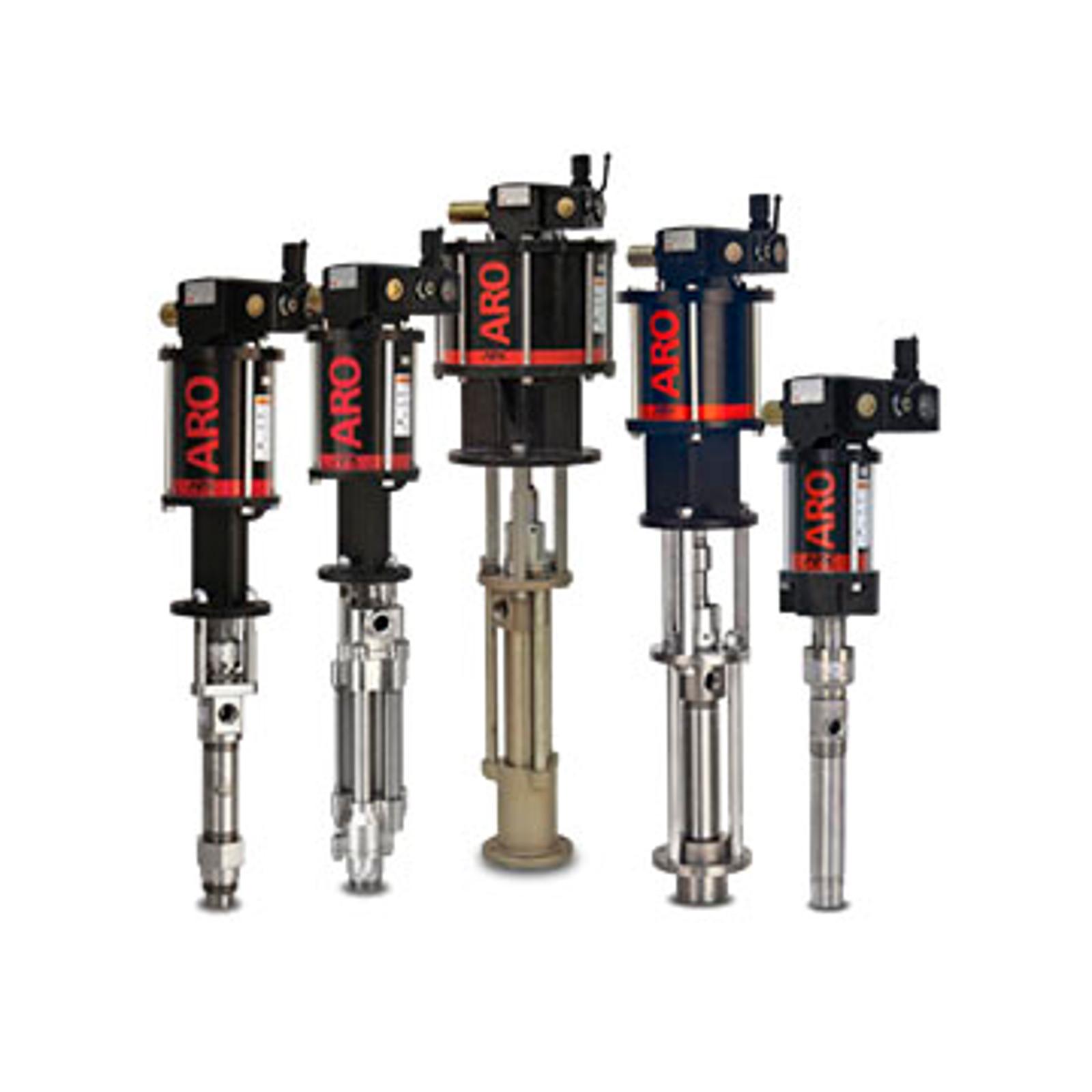
Piston Pumps and Packages For Transfer & Extrusion
ARO offers hydraulic piston pumps and pneumatic piston pumps for a variety of applications. Find the right piston pump solution for a range of viscous fluids.
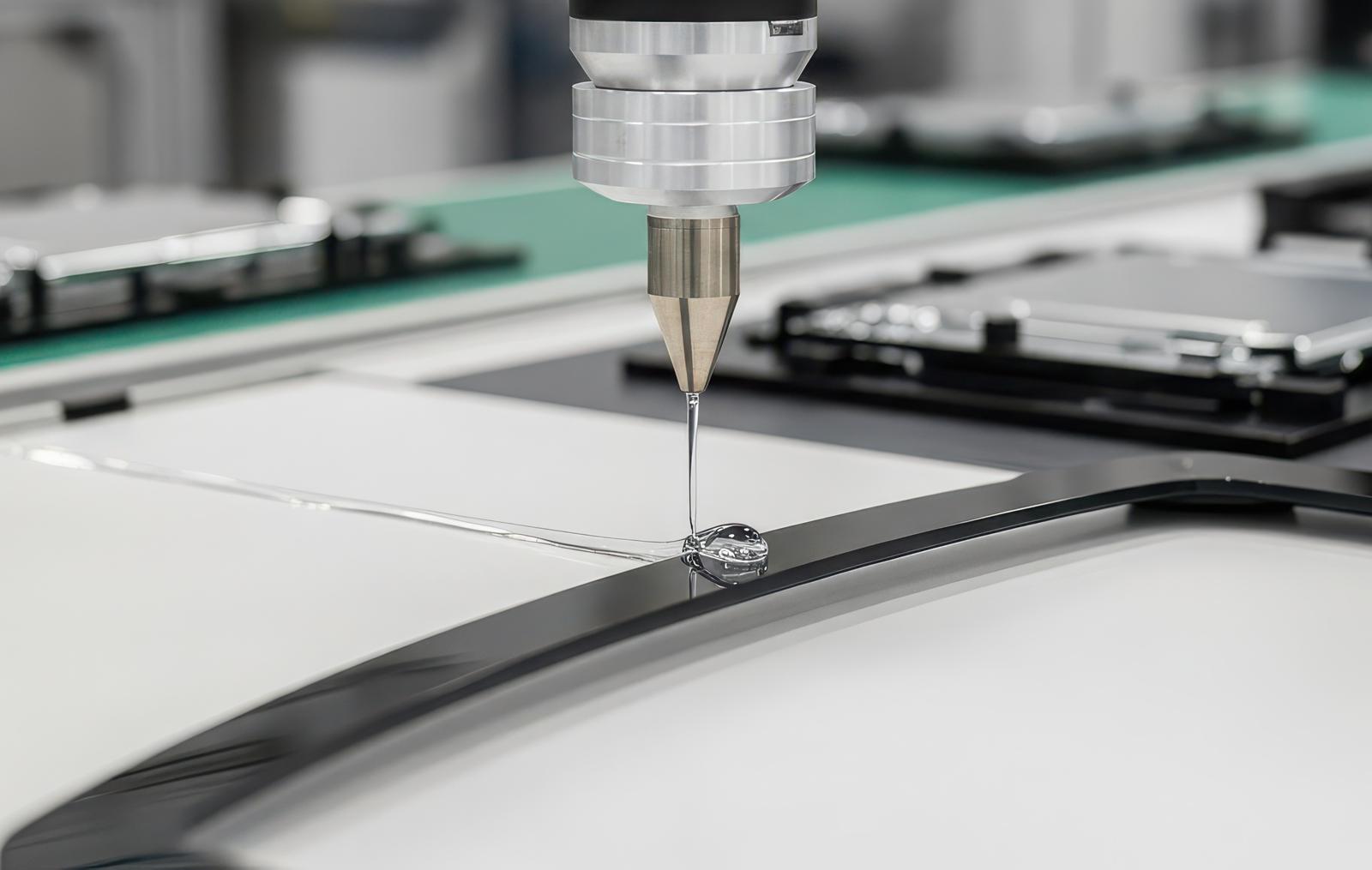
Adhesives & Sealants
Custom Pumping Systems Built for Industrial Performance
Explore Custom-Built Pump Packages Designed Around Your Material, Process, and Timeline.
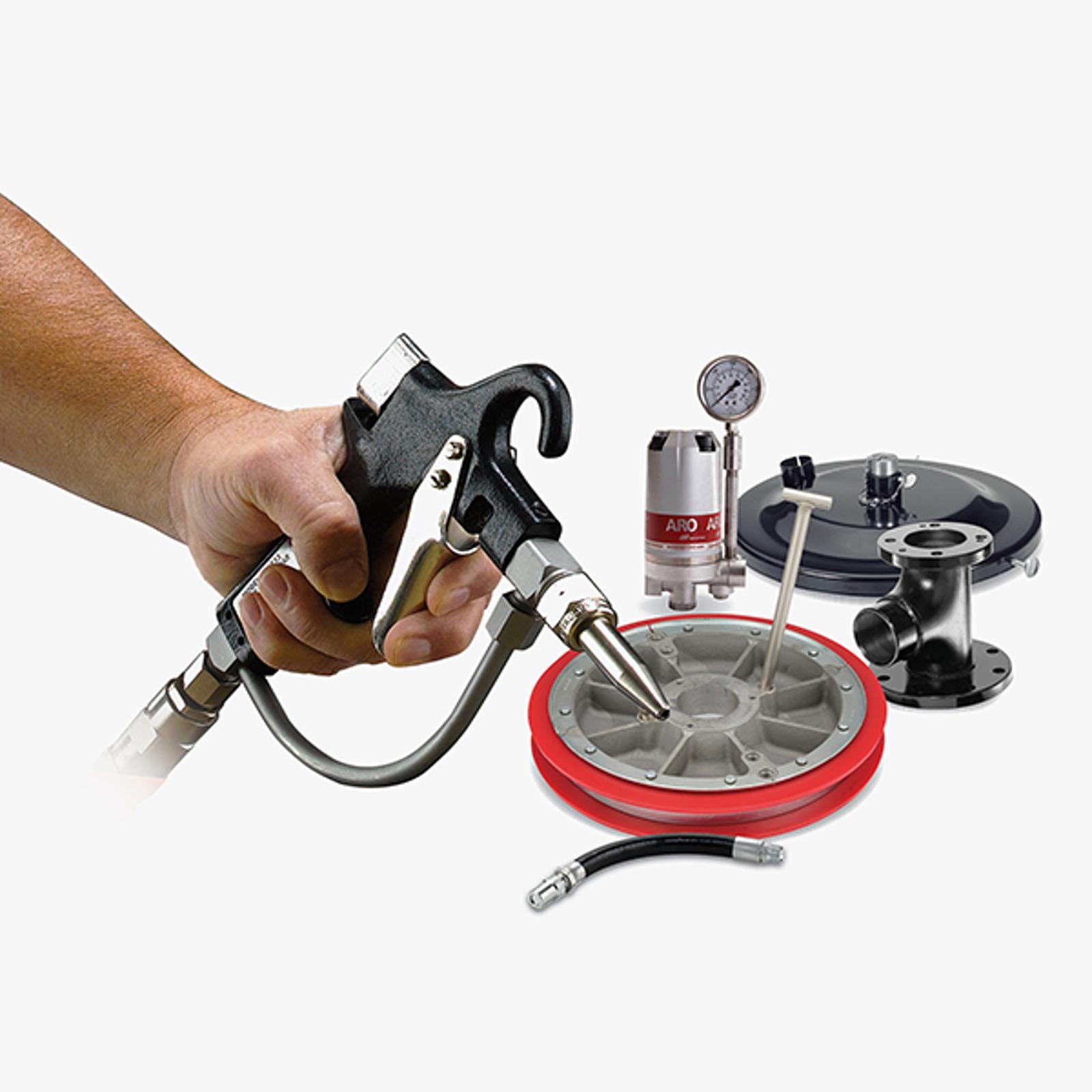
Accessories
Reach out to us