
How Much Time and Money Can Drum Pumps Save?
Discover how drum pumps boost productivity and reduce operating costs in your production line
In many industrial facilities, fluid transfer from drums or IBCs is still treated as a basic, low-impact task. In reality, it can significantly affect production efficiency, labor costs, product loss, and workplace safety.
If you’re a plant manager, maintenance lead, or procurement professional, you’re likely asking a critical question:
Is investing in a drum pump really worth it?
The Hidden Costs of Manual Fluid Transfer
Before evaluating the benefits, it’s important to understand the true cost of inefficient processes.
Manual or poorly equipped transfer methods often lead to:
- Slow transfer times that delay production
- Inconsistent flow rates disrupting operations
- Product waste due to spills or incomplete emptying
- High labor involvement for repetitive handling
- Increased safety risks and potential compliance issues
These inefficiencies are rarely tracked—but they quietly impact your bottom line every day.
Time Savings: Faster, More Consistent Operations
From Minutes to Seconds per Drum
A properly selected drum pump can reduce transfer time by 30% to 70%, depending on the fluid and setup.
Example:
- Manual pouring: 10–15 minutes per drum
- Drum pump system: 3–5 minutes per drum
Now scale that across:
- Dozens (or hundreds) of drums per week
- Multiple production lines
The result: hours of production time recovered every week

Improved Workflow Continuity
Drum pumps provide:
- Consistent flow rates
- Continuous transfer capability
- Reduced interruptions
This allows production teams to:
- Maintain steady throughput
- Avoid bottlenecks between storage and processing
- Improve overall line efficiency
Labor Cost Reduction
Less Manual Handling, More Value-Added Work
Without proper equipment, operators spend significant time:
- Lifting, tilting, and positioning drums
- Monitoring inconsistent transfers
- Cleaning spills
With a drum pump:
- One operator can manage multiple transfers
- Physical strain is reduced
- Time is freed for higher-value tasks
This directly lowers labor cost per unit produced
Product Loss Reduction
Recover More Product from Every Drum
Manual methods often leave residual product inside drums.
Drum pumps—especially well-designed systems—can:
- Extract nearly all remaining liquid
- Minimize waste
- Improve yield
Why it matters:
For high-value fluids (chemicals, oils, ingredients), even small losses add up quickly.
Example:
Saving just 1–2% per drum can translate into thousands of dollars annually.
Safety and Compliance Savings
Prevent Costly Incidents
Spills, exposure to hazardous liquids, and improper handling can lead to:
- Workplace injuries
- Production stoppages
- Regulatory fines
Drum pumps help:
- Contain fluids in closed systems
- Reduce operator exposure
- Improve compliance with safety standards
Fewer incidents = lower indirect costs and risk

Addressing Common Concerns
“Will this pump work with my fluid?”
Modern drum pumps are available for:
- Low to high viscosity fluids
- Corrosive chemicals
- Food-grade applications
Solution: Select pumps based on fluid properties and use case, not a generic approach.
“Is it worth the investment?”
Drum pumps typically deliver:
- Fast ROI (often within months)
- Reduced waste
- Lower labor costs
- Increased productivity
In many cases, the cost of not investing is higher.
“Will it integrate with my process?”
Today’s solutions are designed to:
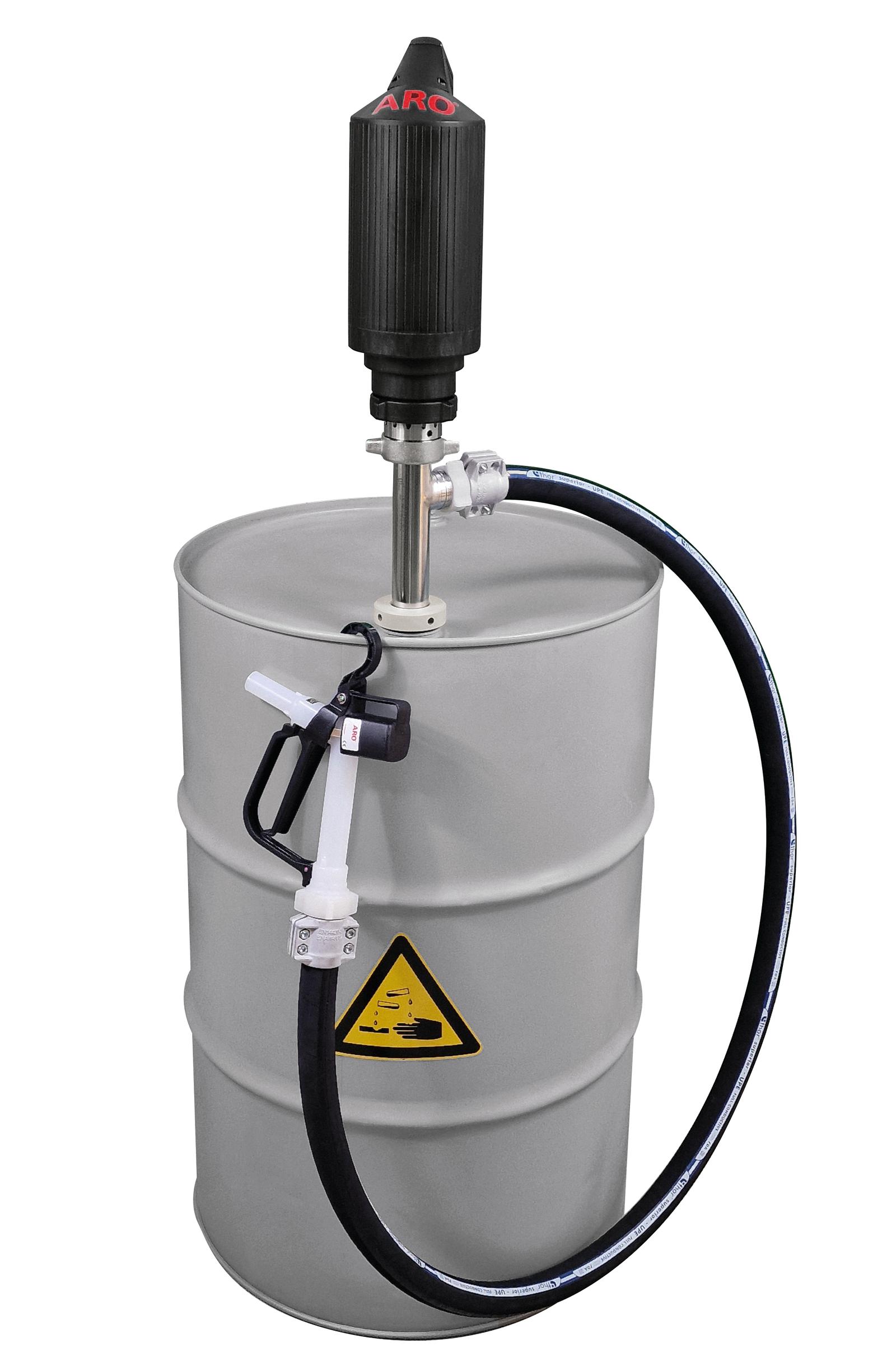
- Fit standard drums and IBCs
- Integrate with existing lines
- Offer portable or fixed configurations
Flexibility ensures minimal disruption during implementation.
“What about maintenance?”
High-quality drum pumps are:
- Designed for durability
- Easy to clean and service
- Supported by available spare parts
Proper selection reduces downtime and maintenance concerns.
Real ROI: A Simple Calculation
Let’s consider a simplified scenario:
- 50 drums per week
- 10 minutes saved per drum
- Operator cost: $30/hour
Weekly savings:
- 500 minutes saved = ~8.3 hours
- Labor savings ≈ $250/week
Annual savings:
$13,000+ in labor alone
Add:
- Reduced product loss
- Increased throughput
- Fewer incidents
Total ROI becomes even more significant.

A Small Change with Big Impact
Drum pumps are not just a convenience—they are a strategic investment in operational efficiency.
By improving:
- Speed
- Safety
- Product recovery
- Labor utilization
They help industrial facilities unlock measurable gains across the entire production process.
Reach out to us