
aro-logo-desktop.png

How Does A Piston Pump Work?

Air-operated piston pump technology uses compressed air to move a piston back and forth in a cylinder. During the intake stroke, air goes to one side of the piston. This creates pressure that makes the piston pull back.

This motion draws fluid into the pump chamber through an inlet valve. On the return stroke, the air supply shifts to the opposite side of the piston, pushing it forward. 

This action forces the fluid out through the outlet valve, allowing the pump to transfer fluids efficiently and with precision.

This mechanism makes the piston pump a positive displacement pump. This means it moves a fixed volume of fluid each cycle, no matter the discharge pressure. ARO piston pumps have strong inlet and outlet valves.

They are great for many uses, like spraying, extrusion, coating, and dispensing. They work well even with tough, thick, or sensitive materials.

Watch this process in action in our YouTube Video

What Are the Benefits of Piston Pumps?

Piston pumps offer many useful advantages, especially in tough industrial jobs:

  • Handles High Pressure:
    ARO piston pumps can reach very high pressures—up to 6,000 PSI—making them great for pushing thick materials like grease, sealants, and heavy liquids.
  • Works with Medium to High Viscosity Many Fluids:
    They can move all kinds of fluids, from thin paints to thick adhesives, and are used in jobs like coating, lubricating, and filling containers.
  • Accurate and Smooth Flow:
    Piston pumps give you steady, controlled flow and accurate dosing, which is important when you need exact amounts of liquid every time.
  • Less Waste, More Efficient:
    These pumps are built to waste very little material. With over 90% efficiency, you use more of what you pay for and throw away less.
  • Simple to Maintain:
    They’re designed to be easy to take apart, clean, and fix—saving time and reducing downtime on the job.
  • Safe in Risky Environments:
    Piston pumps can be safely used in areas with flammable or dangerous materials, making them a good choice in many factories or worksites.
  • Plus, they’re strong, reliable, and built to last—even under harsh conditions.
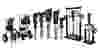
How Does A Piston Pump Work image

How Long Do Piston Pumps Last?

ARO piston pumps are engineered for longevity—even in demanding environments. With proper maintenance, these pumps can easily last 5 to 10 years or more.


Lifespan depends on several factors:

  • Material Compatibility: Matching pump components to your fluid’s chemical makeup helps prevent premature wear.
  • Duty Cycle: Pumps used continuously in high-cycle operations may require more frequent maintenance.
  • Correct Sizing: Oversized or undersized pumps can lead to inefficient operation or unnecessary wear.
  • Preventive Maintenance: Replacing seals, inspecting inlet and outlet valves, and lubricating components at recommended intervals significantly extends service life.


Many ARO users report years of performance with little downtime. This is due to the brand’s strong construction and great support. For important tasks, ARO provides rebuild kits and upgrades. These include ram systems, fluid regulators, and stroke counters. These tools help increase uptime and extend the life of your piston pump investment.

How Does A Piston Pump Work image 2

Are Piston Pumps Expensive?

Piston pumps can be more expensive than other pump types, especially when comparing them to diaphragm or centrifugal pumps. Entry-level models for light-duty transfer start at about $800 to $1,500. Mid-range ARO pumps, like 2-ball or 4-ball types, usually cost between $2,000 and $4,000. High-pressure systems, such as ARO chop-check pumps with ratios up to 60:1, can be more expensive. These pumps are often used in extrusion applications. When you add accessories like rams and fluid regulators, the total can go over $5,000 to $10,000.


That said, the higher upfront cost reflects their performance and durability. ARO piston pumps deliver precise, repeatable flow across a wide range of viscosities and can generate pressures up to 6,000 PSI. Built for industrial use, they’re engineered to last 5–10 years or more with proper maintenance.


From a long-term perspective, piston pumps often offer a lower total cost of ownership. They reduce material waste through accurate dosing, improve energy efficiency in air-operated systems, and require less frequent replacement than cheaper alternatives. For applications including coating, dispensing, extrusion, and transfer, investing in an ARO piston pump pays off through reliability, uptime, and overall process efficiency.