
Products
Diaphragm Pumps
Piston Pumps
Drum Pumps
Lubrication Equipment
Filter Regulator Lubricators
Pneumatic Valves & Cylinders
Parts & Accessories
Services
Technologies
How Diaphragm Pumps Work
How Do Powder Pumps Work
Electric Diaphragm Pumps: An Overview
Piston Pump Working Principles
Piston Pump Motor Technologies
Support
Diaphragm Pumps Product Selector
Piston Pump Selector Tool
Document Library
Chemical Compatibility Guide
Blog
AODD Manufacturer Comparison Guide
Knowledge Hub
On-Demand Webinars
ARO Product Park
Industries
General Manufacturing
Chemical Transfer
Lubrication
Energy
Food & Beverage
Mining
Data Centers
Other Industries

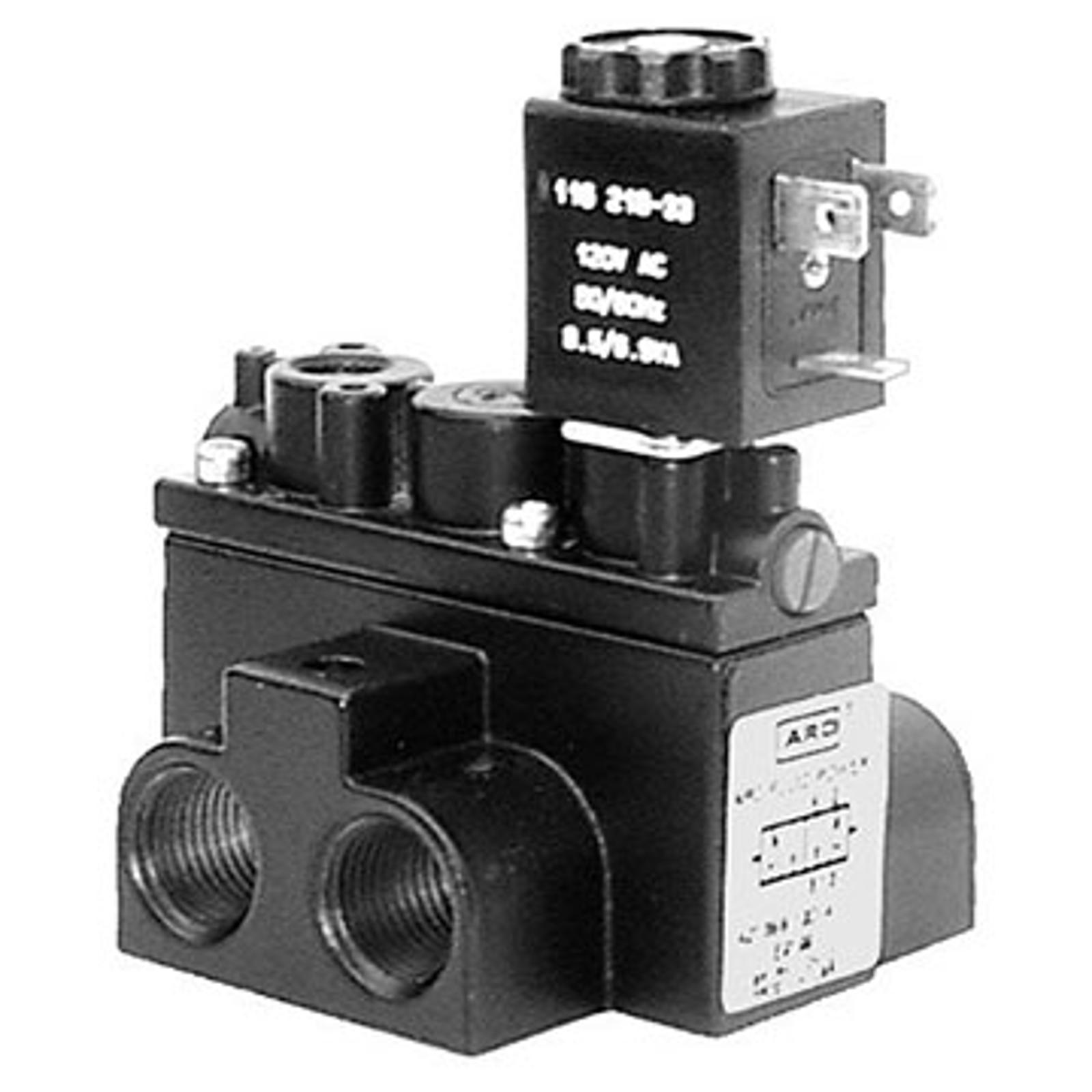
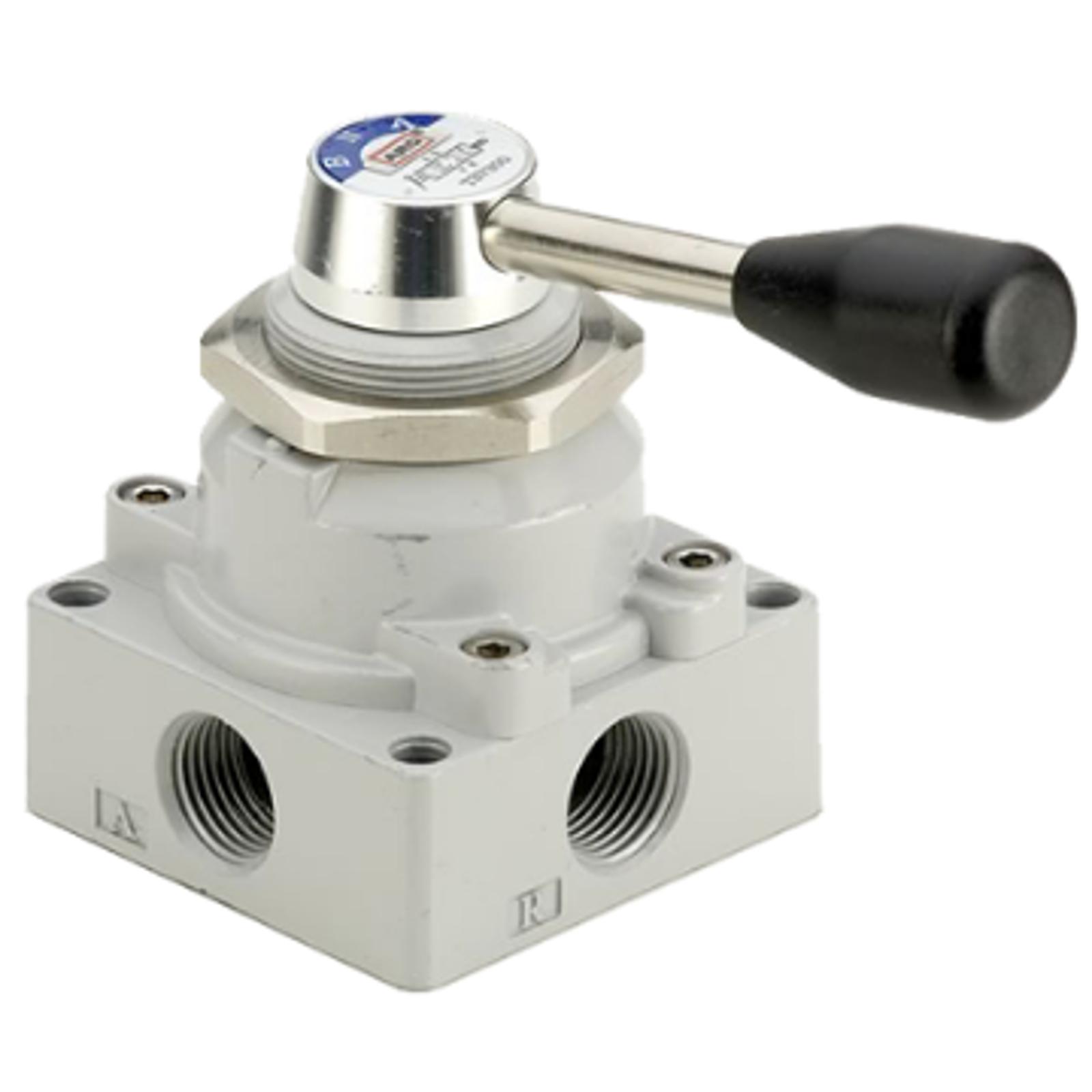
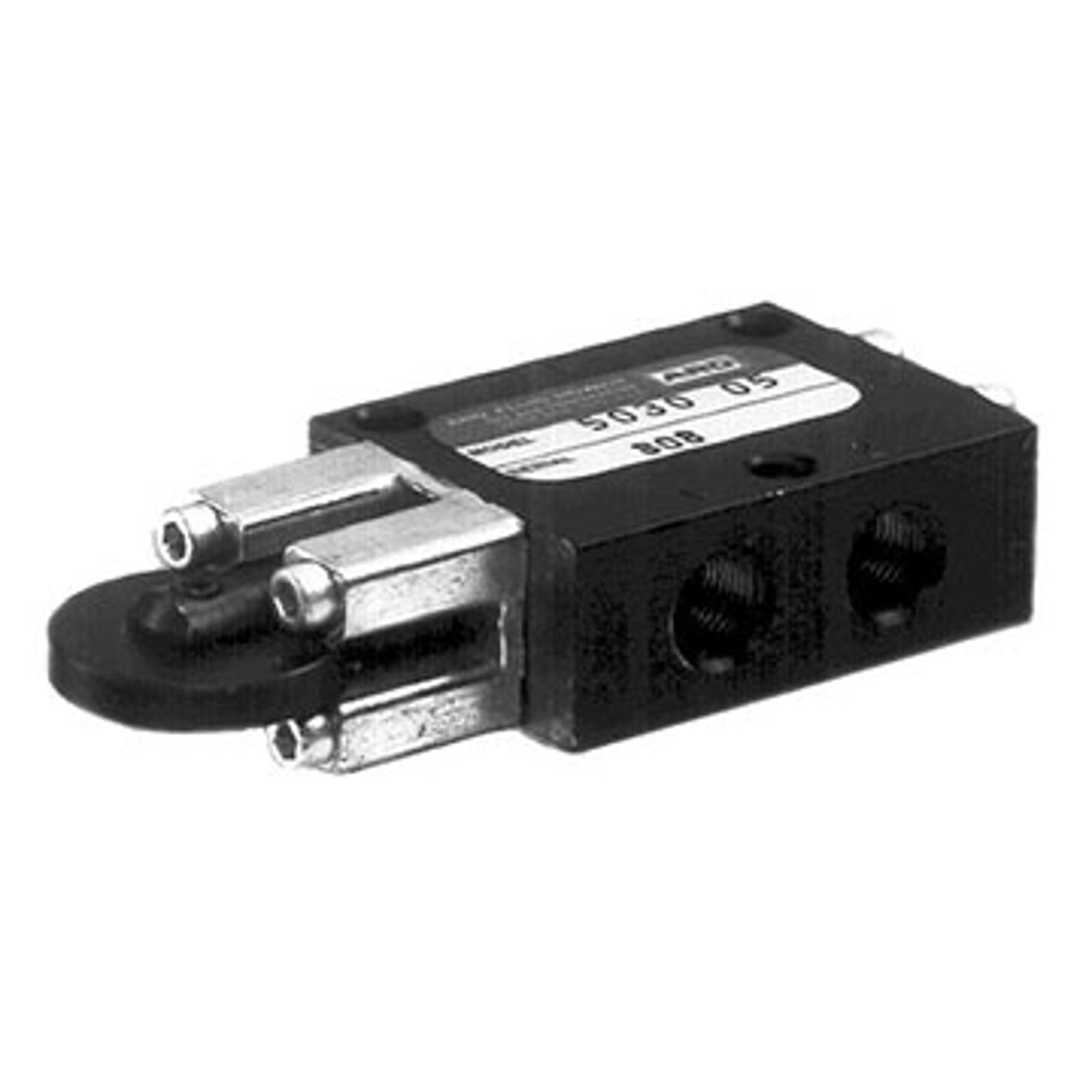
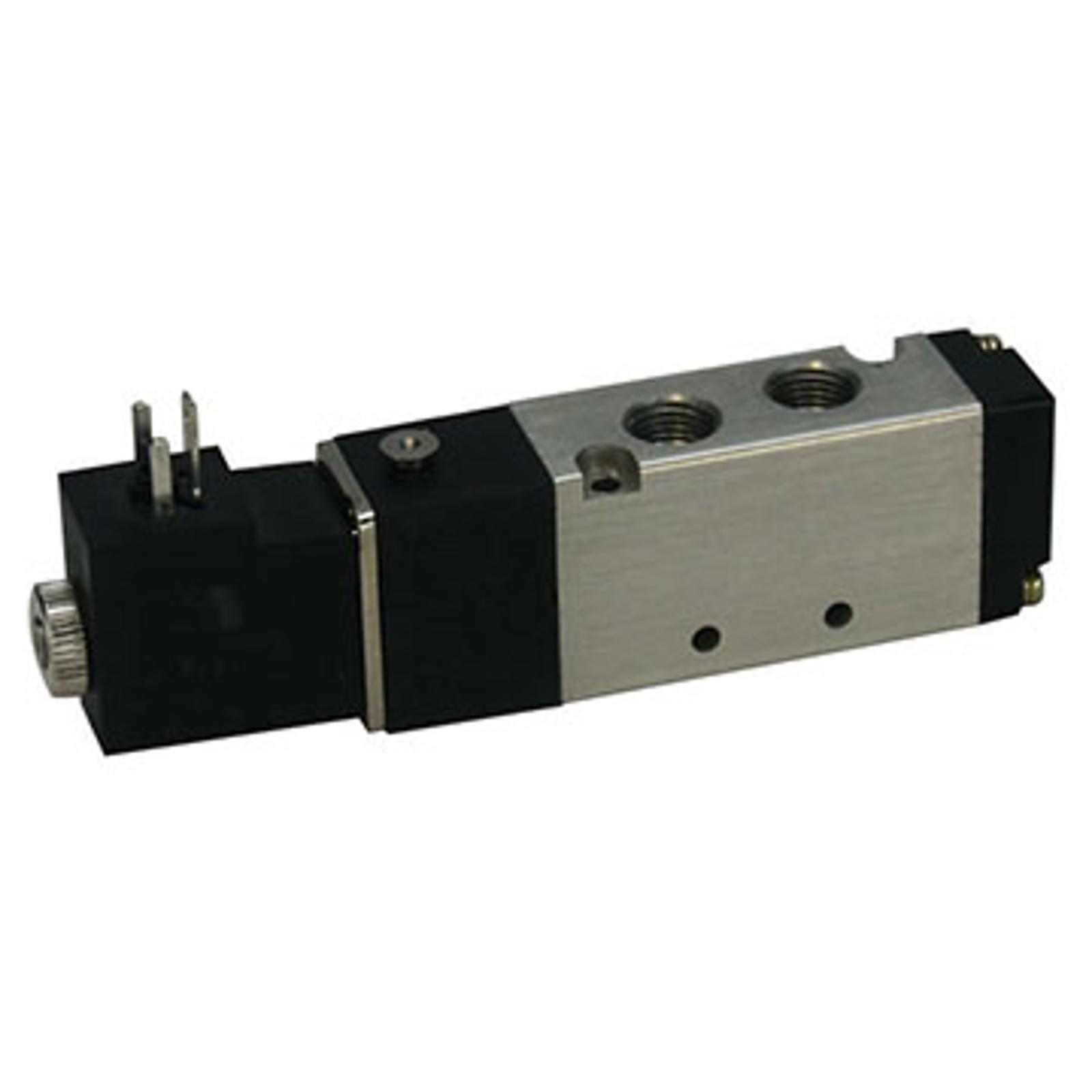
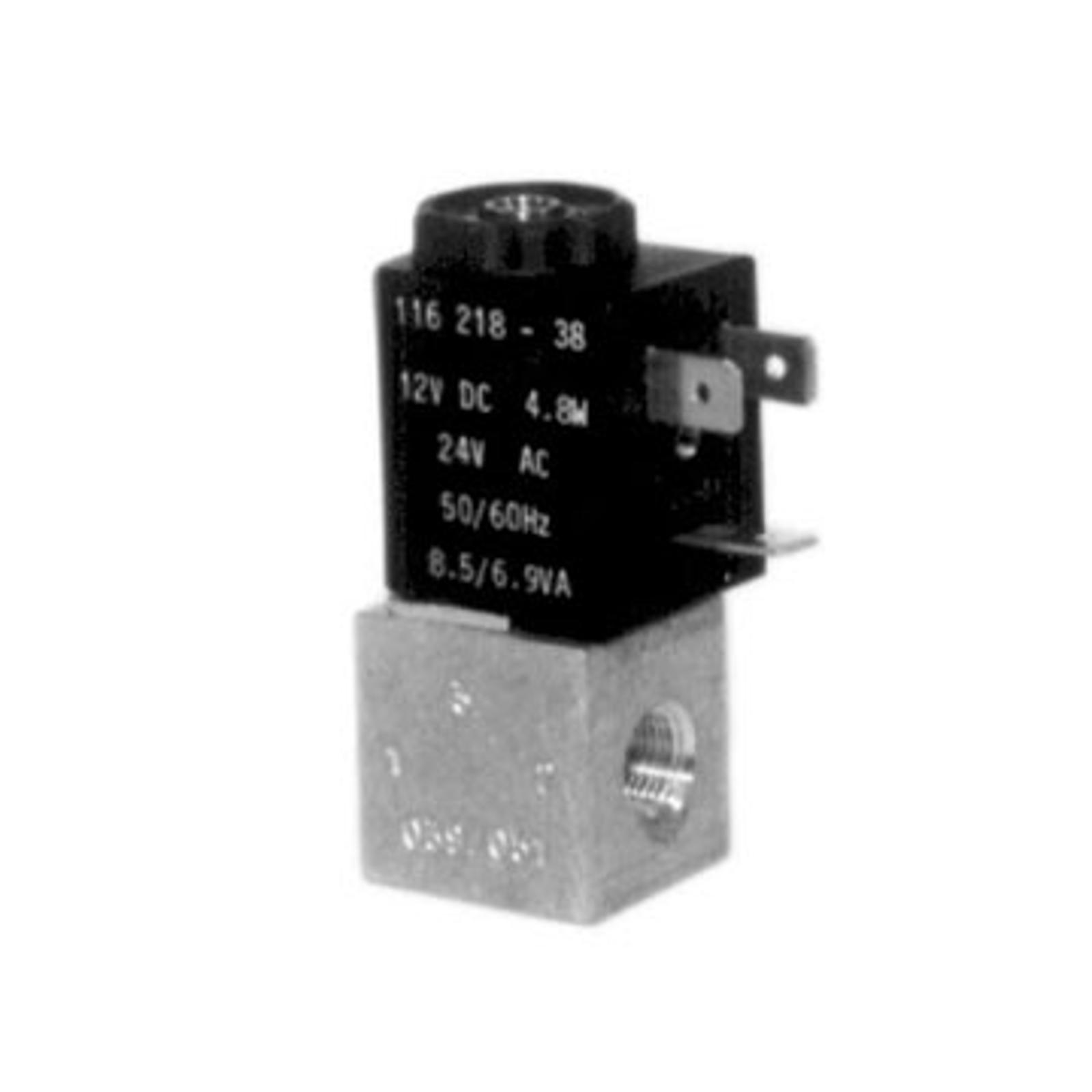
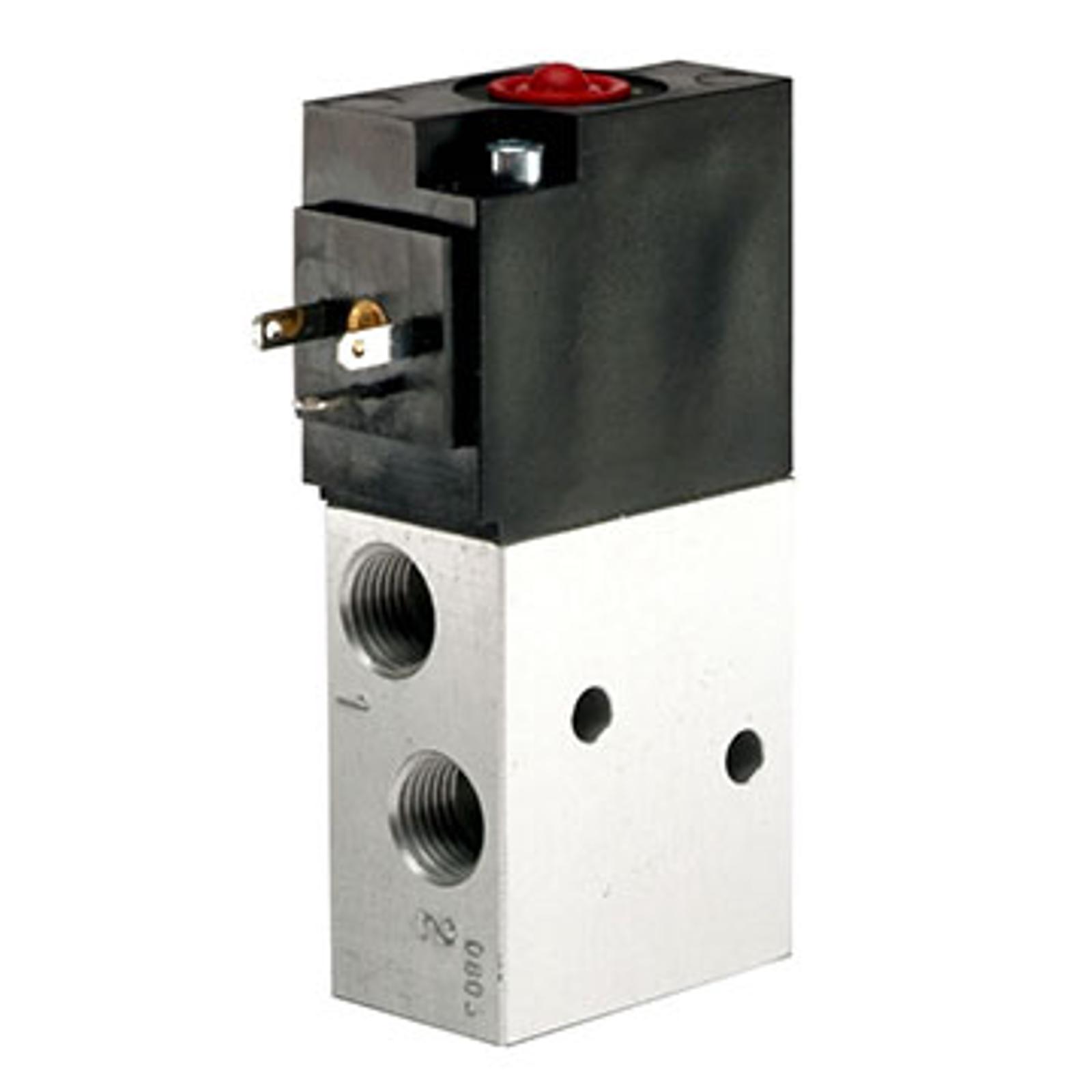
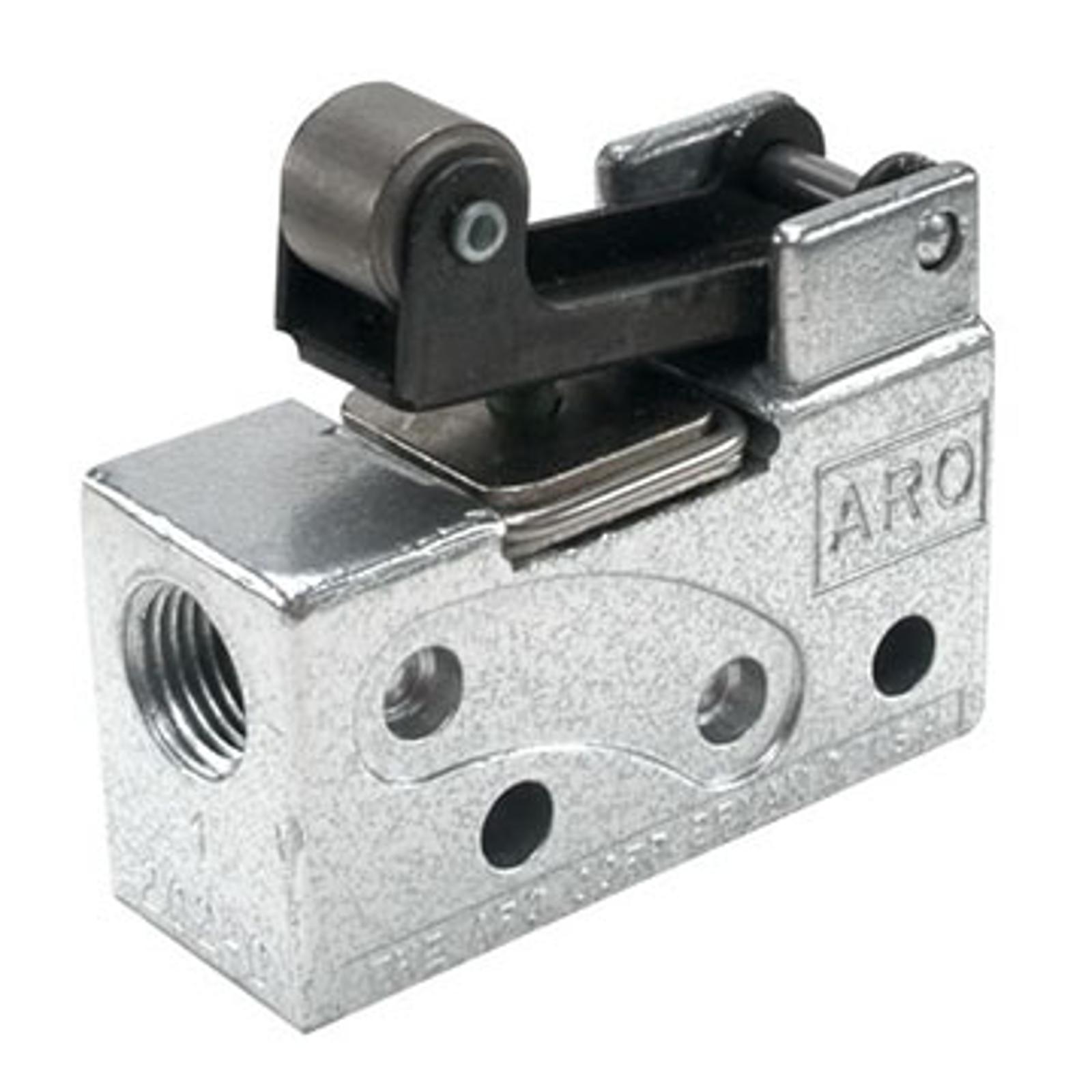
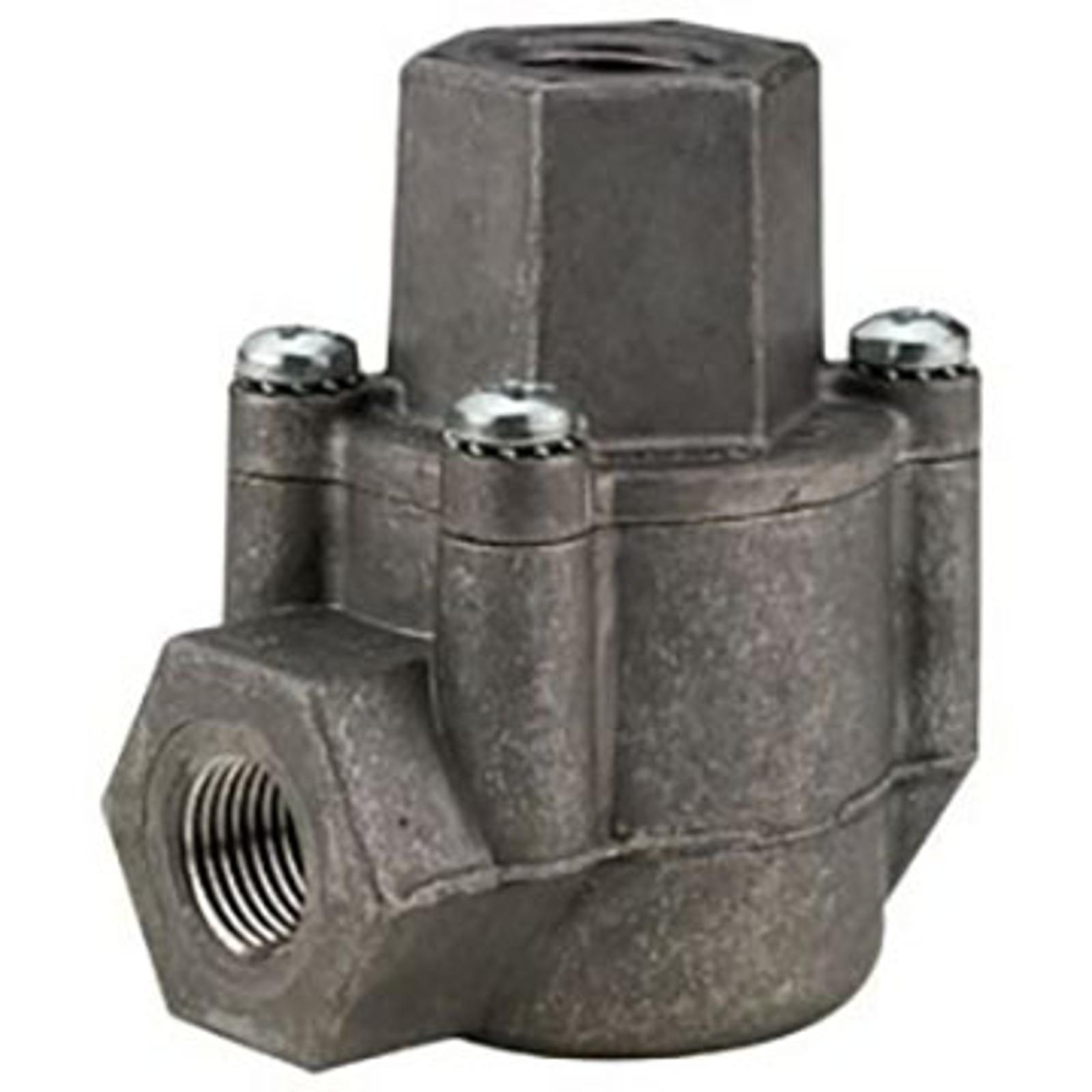
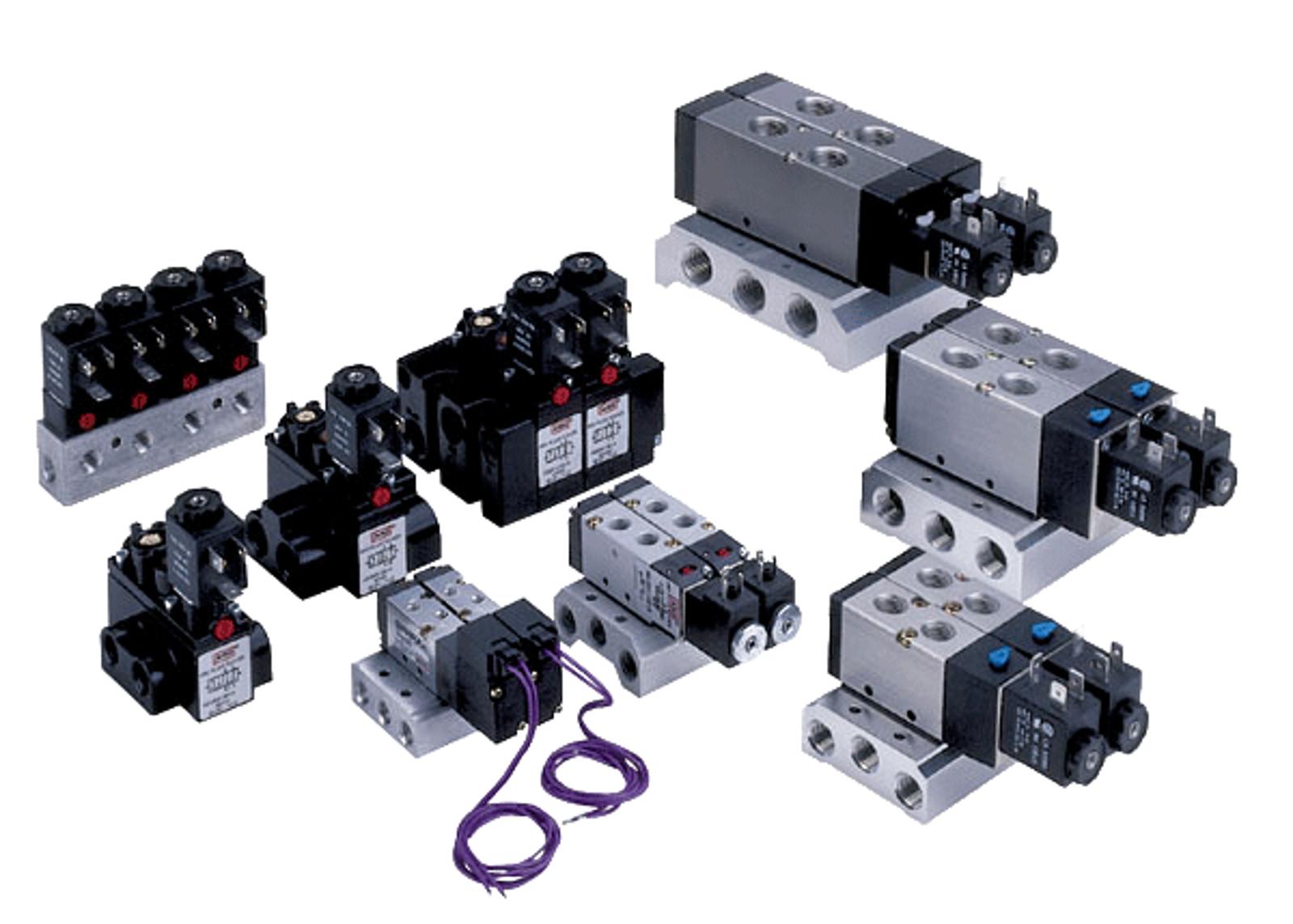
Whether it's high flow or compact design, count on ARO pneumatic valves for your application. Models include 2-way, 3-way and 4-way valves with a variety of manual, mechanical, pilot and solenoid actuator styles. Port sizes range from 1/8" to 1" in diameter.

We have a valve for almost every application. In the rare case we don’t have it, we can expertly modify or customize our standard product to meet your application needs.

How Pneumatic Valves Work

Pneumatic systems provide a fine degree of control, allowing force to be applied where it’s needed, when it’s needed and in the amount needed. Pneumatic valves help by creating proper air pressure and flow rates.

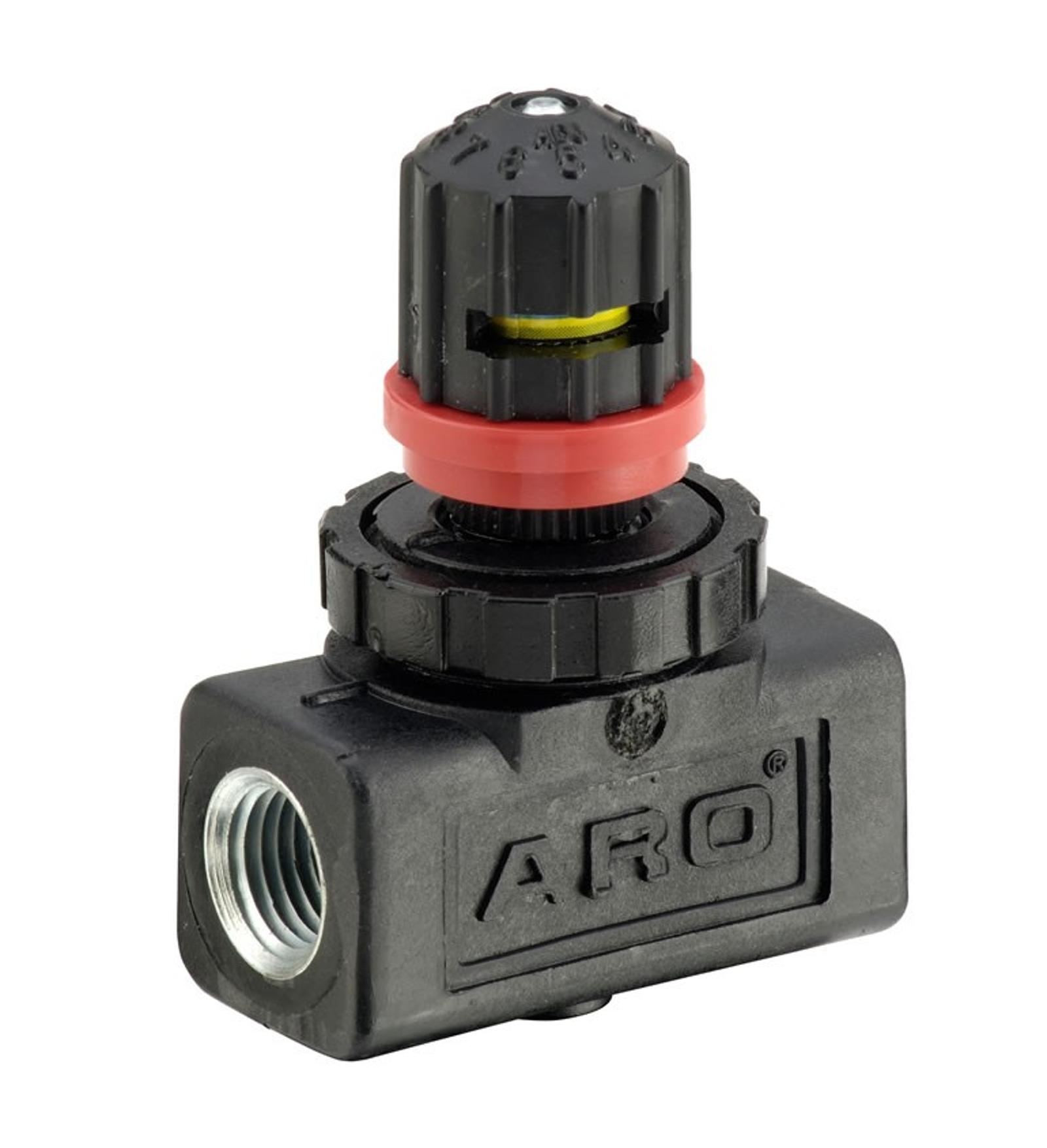
Pneumatic flow control and needle valves regulate the flow of compressed air. Mechanically or manually operated directional control valves allow flexibility of the pneumatic working ports. This provides a practical solution for a variety of different requirements to support multiple solenoid valves. Solenoid valves rely on electromagnetic levers for controlling airflow and release to achieve proper compressor function.

Pneumatic products are very lightweight and compact in size for the amount of power they produce. Portable units can be used with less operator fatigue, while stationary units can be mounted in confined spaces.

Most pneumatic devices can be instantly reversed without damage to the equipment. In many cases, this can reduce the cycle time of the equipment and speed production.

Pneumatic threshold sensors detect the end of an air cylinder stroke and signal when pressure drops. The check valve, or non-return valve, allows airflow in one direction. In the event of loss of pressure or a sudden shut down of the system, piloted non-return valves stop air cylinder movement as needed and maintain loads. Circuitry valves, such as speed controls, adjust the stroke speed of air cylinders and actuators.
Why Choose ARO Pneumatic Valves

Remote or automatic control of pneumatic equipment allows the machine operator to be removed from the immediate area of the machine. Pneumatic equipment can operate indefinitely under heavy load or stall conditions without becoming hot or damaging itself. Air-operated products generally are not likely to produce sparks, which makes them suitable for use in hazardous environments.

With a 90-year legacy of premier product performance, ARO pneumatic valves offer the expert engineering you deserve and the reliability you expect. Built to handle heavy duty and dirty applications while offering excellent flow rates, our valves can control cylinder movement and machine sequence, operate pumps and more, with top-of-the-line efficiency.

ARO pneumatic valve Group