Products
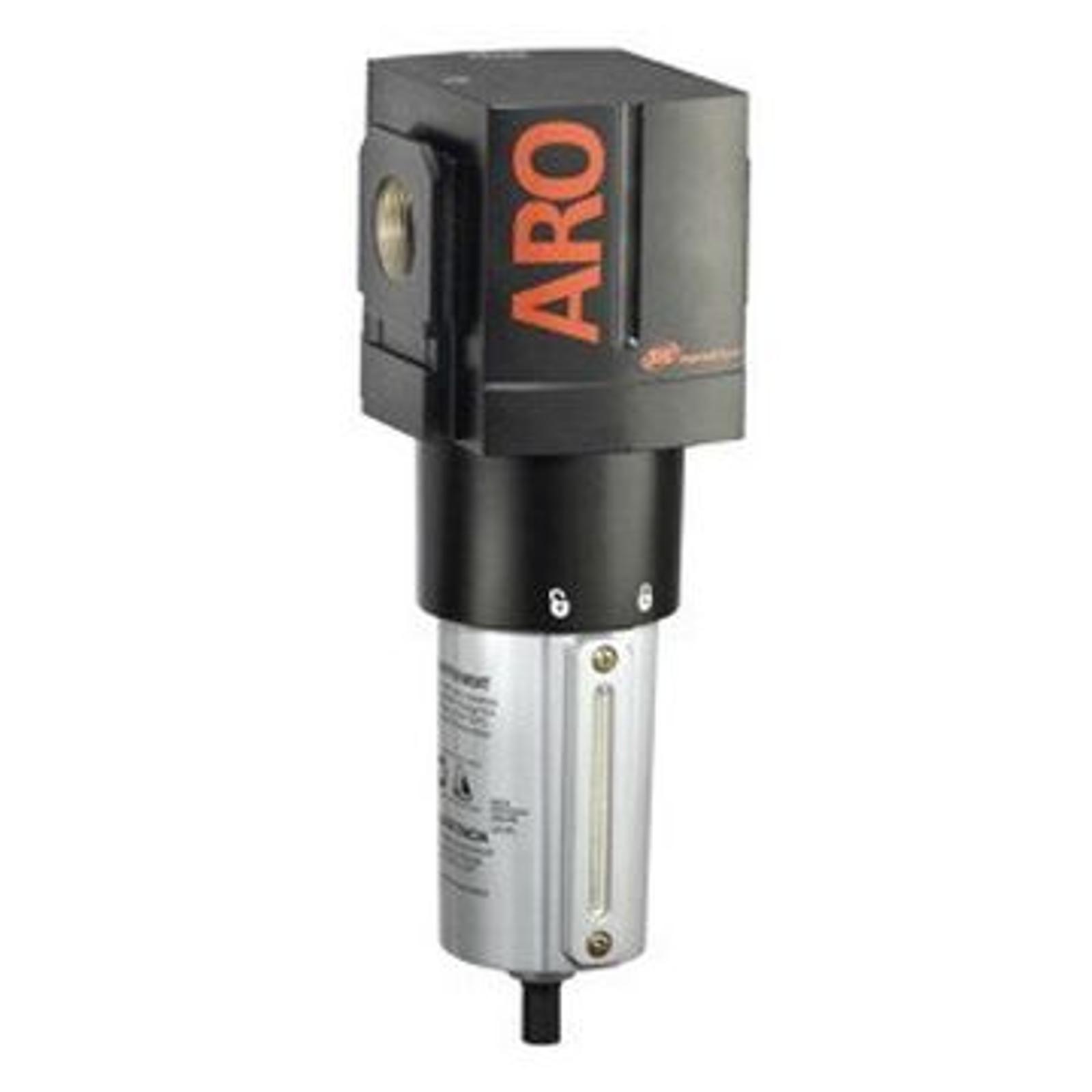
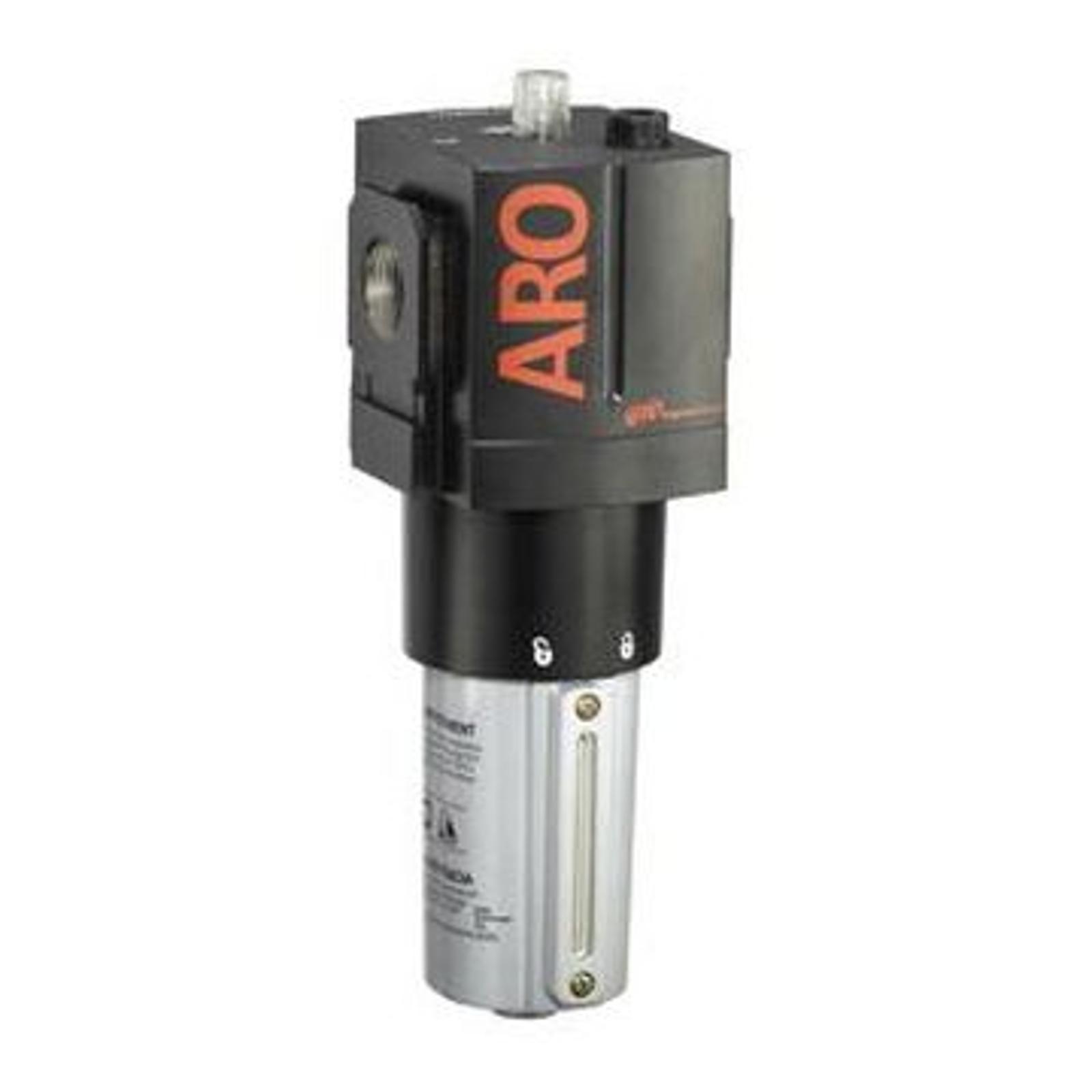
Filter Regulator Lubricators
aro-logo-desktop.png

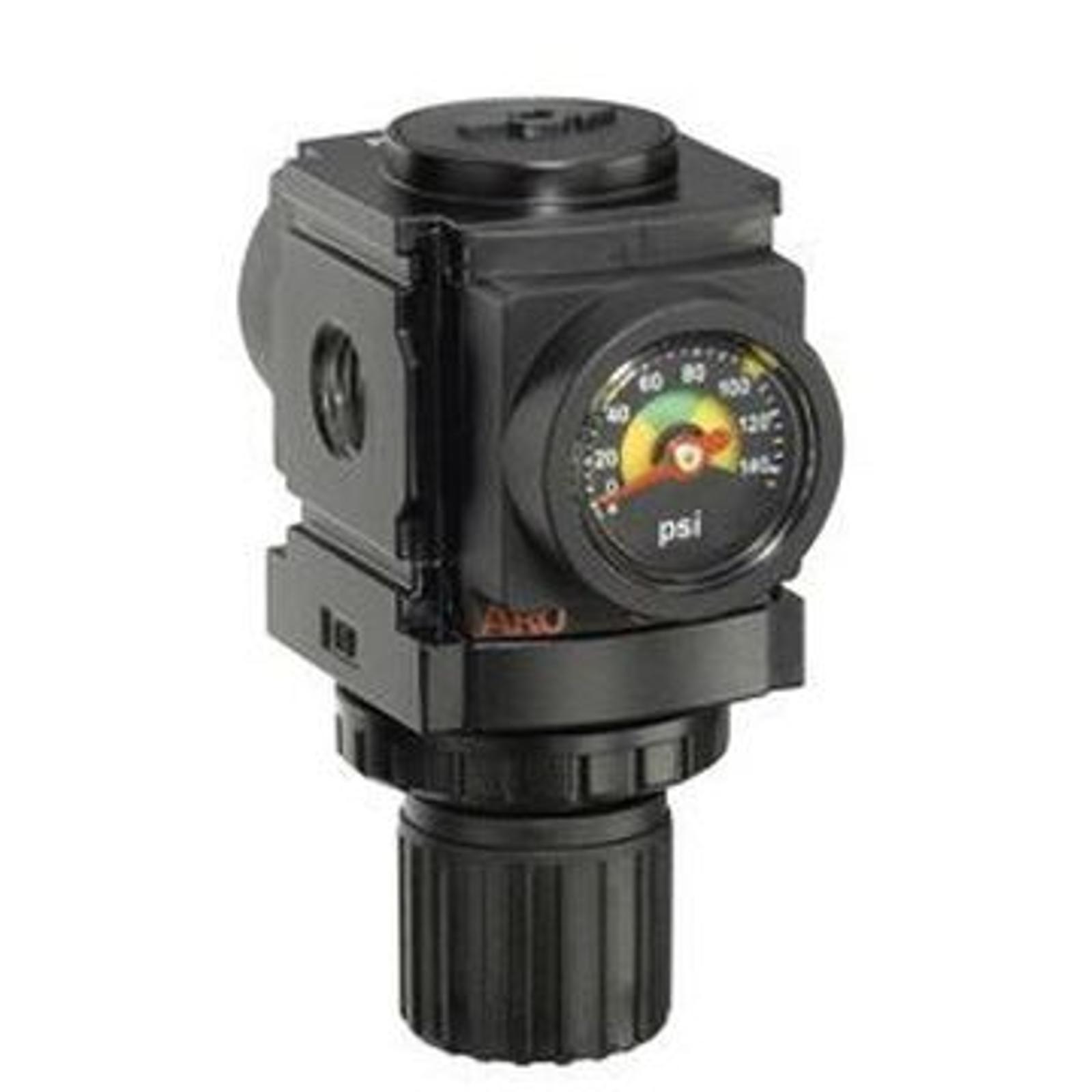
An air regulator controls and stabilizes air pressure in a pneumatic system. It protects tools, reduces wear, and supports clean and efficient air supply.

Explore ARO Regulator Line

1000-series-regulator.jpg

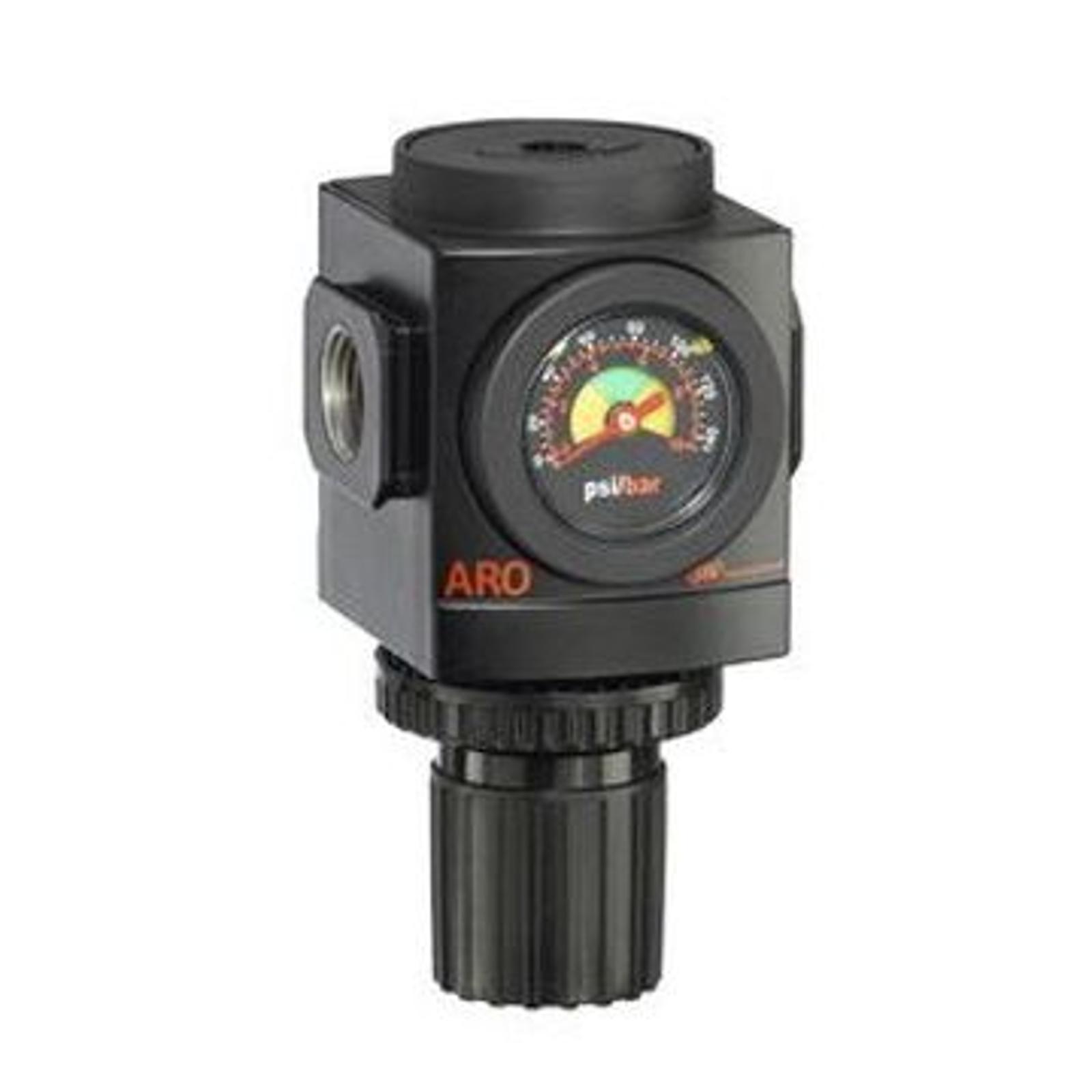
1000 Series Regulator

1000 Series Regulators have the following features 1/8" & 1/4" sizes, with 0-30, 0-60, and 0-140 psi spring options. Panel nut included.
Learn more
1500-series-regulator.jpg

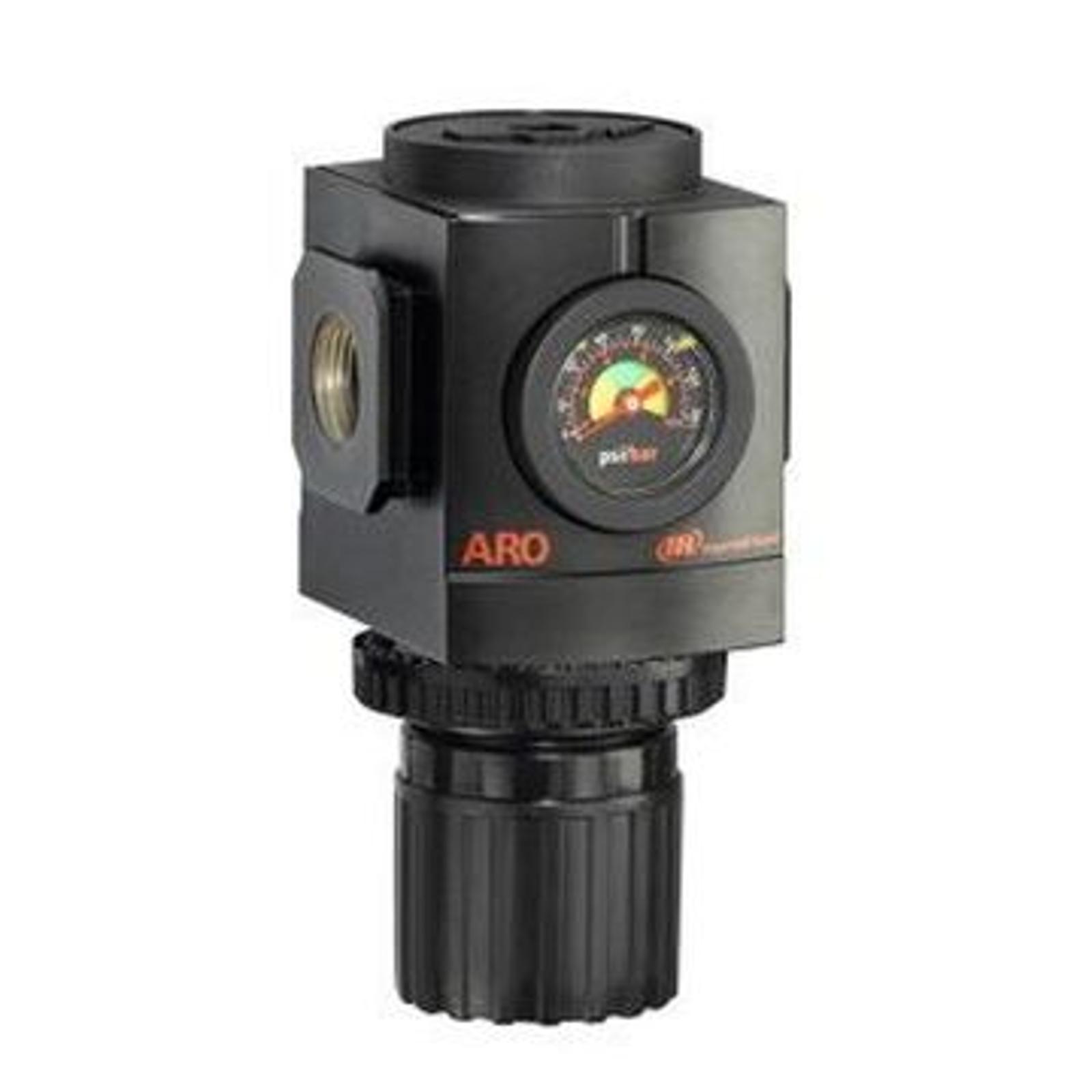
1500 Series Regulator

1500 Series ARO Regulators have the following features 1/4" & 3/8" sizes, panel nut included and 0-30, 0-60, and 0-140 psi spring options.
Learn more
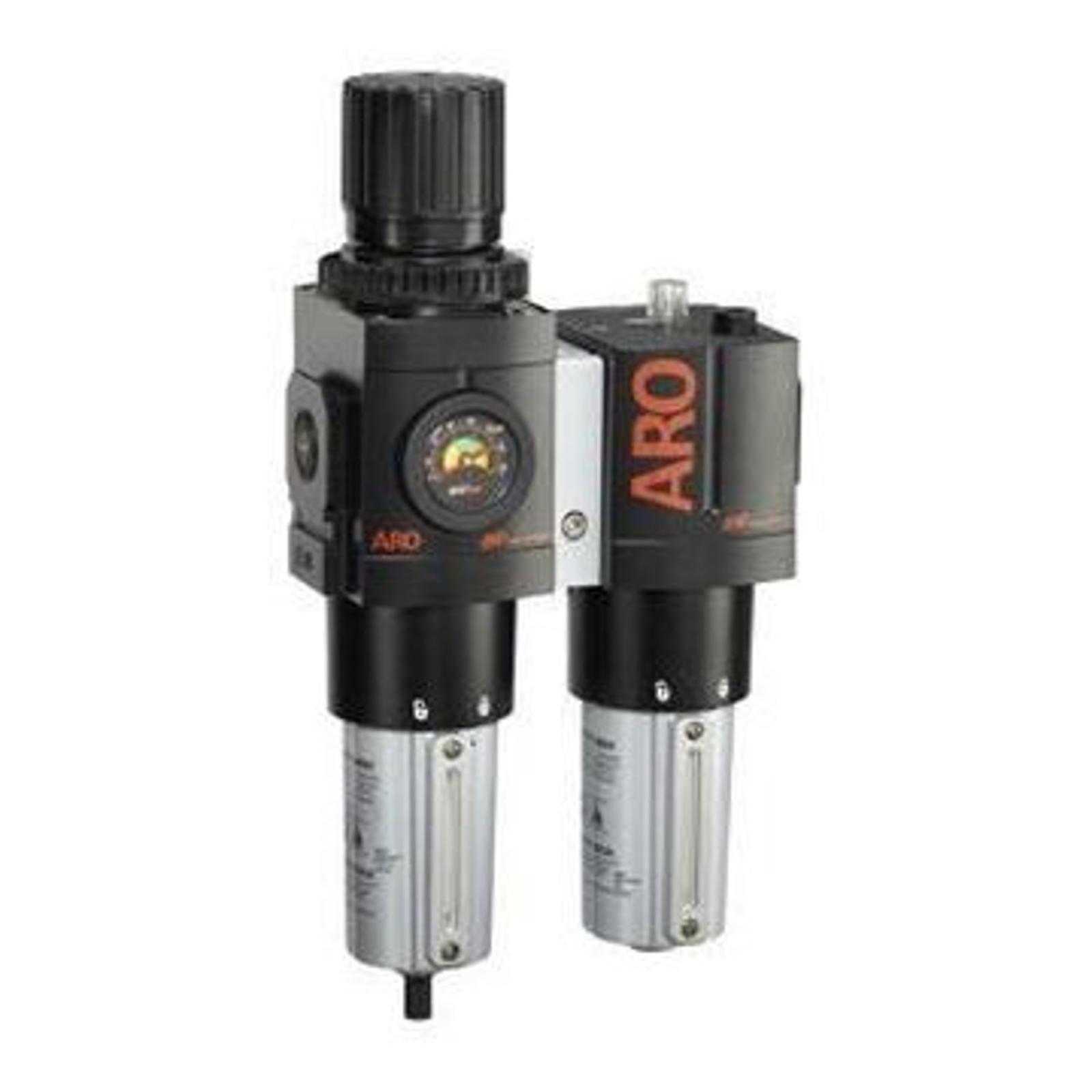
2000-series-regulator.jpg

2000 Series Regulator

2000 Series Regulator comes in 3/8", 1/2" & 1/4" sizes, with 0-30, 0-60, 0-140 & 10-200 psi spring options. Panel nut included.
Learn more
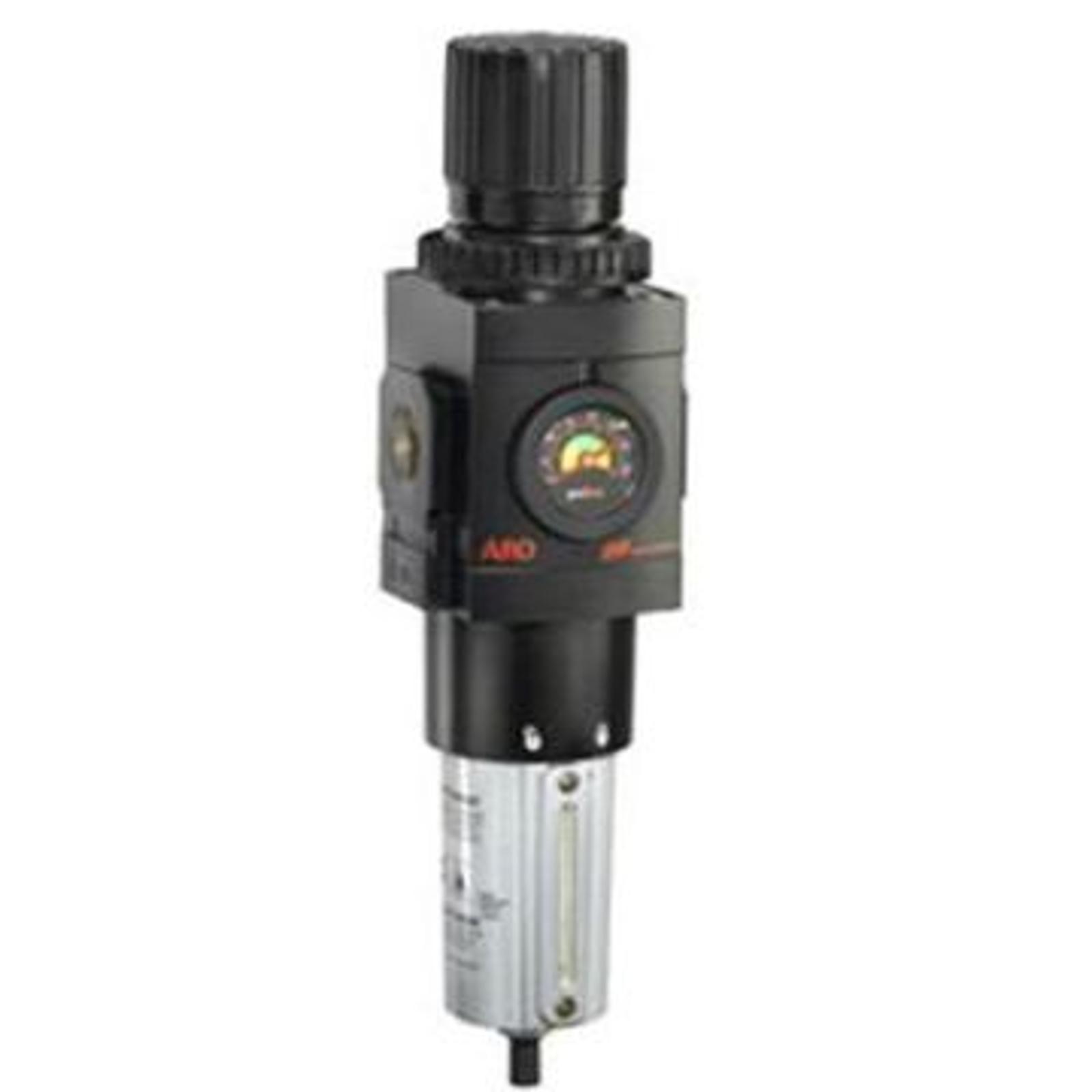
3000-series-regulator.jpg

3000 Series Regulator

ARO 3000 Series Regulator comes in 3/4" and 1" sizes, with 0-30, 0-60, 0-140 and 10-200 psi spring options and panel nut included.
Learn more
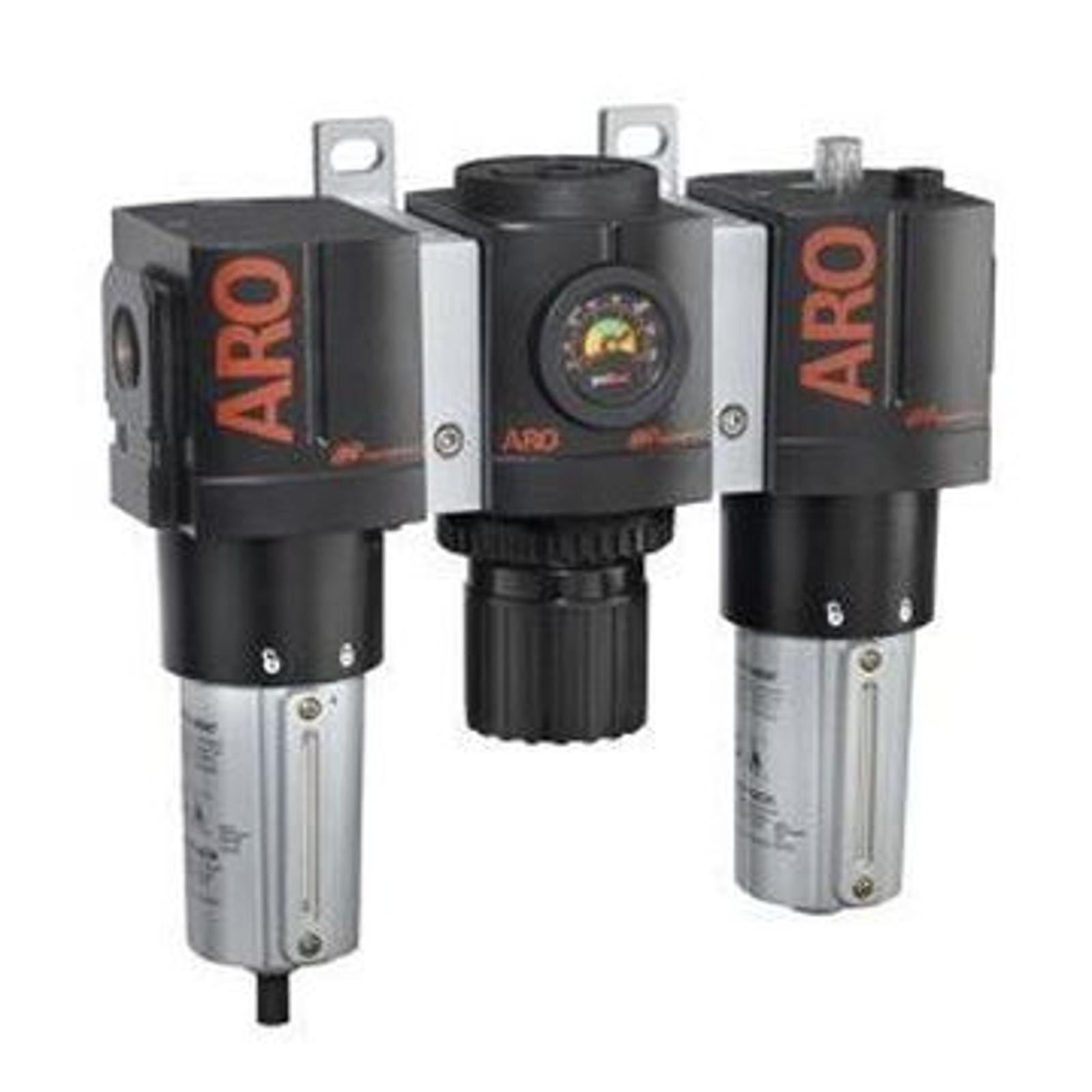
RegulatorWeb.png

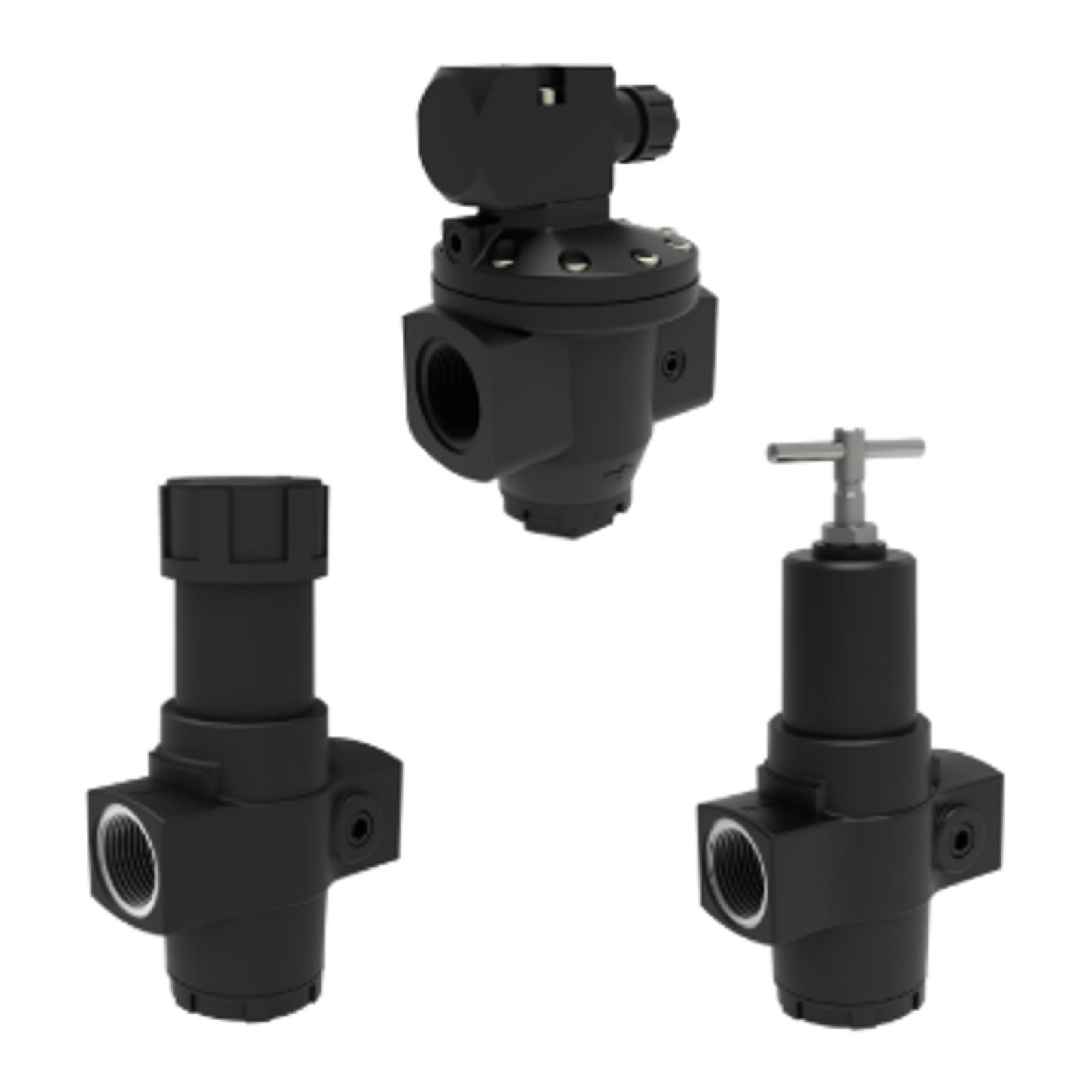
Super Duty Series Regulator

ARO Super Duty Series Regulator comes in 1-1/4", 1-1/2" and 2" sizes, with 0-125 and 0-180 spring options and high flow rates.

Why Choose ARO Air Regulators?

ARO air regulators deliver stable pressure for precise and safe tool performance. They support strong flows and protect sensitive equipment in all air systems.

Key advantages:

  • They reduce flow loss thanks to an efficient internal design built for industrial use.
  • They offer strong flow ranges, from 34 L/s (72 scfm) to 425 L/s (900 scfm).
  • They use durable aluminum bodies and nitrile seals for long service life.
  • They support high inlet pressures up to 21 bar (300 psi) on large models.
  • They fit the ARO‑Flo modular system for quick setup and line maintenance.
  • They allow fast adjustments with clear markings for safe daily operation.
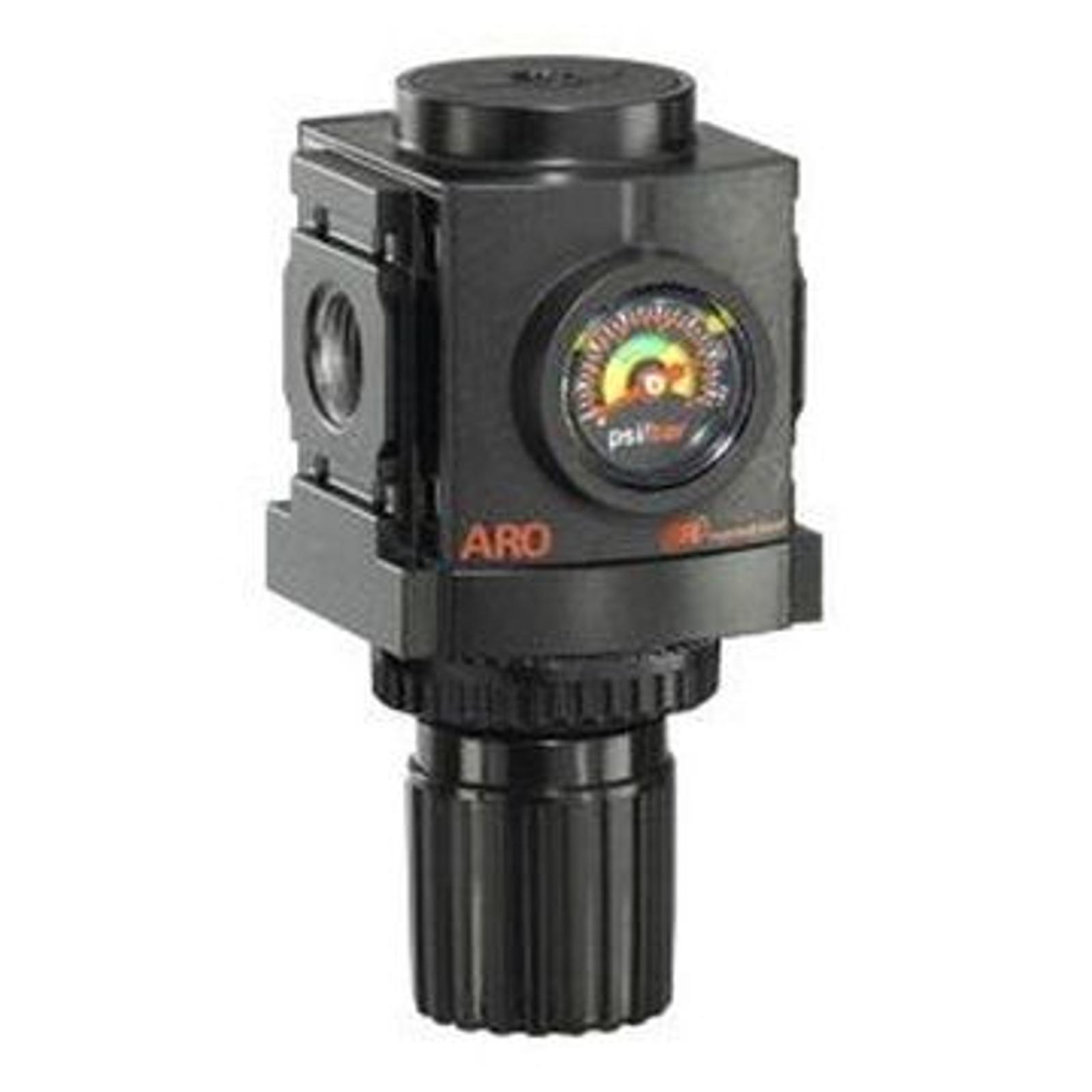
 

1500 Series Regulator

When To Use An Air Regulator?

Use an air regulator when a tool needs stable pressure to avoid damage. ARO regulators keep pressure steady even with fast changes in airflow. High‑flow models support strong lines, with the 3000 Series reaching 137 L/s (290 scfm). Super Duty models serve larger systems, with flows up to 425 L/s (900 scfm). Always install the regulator after the air filter to remove water and particles before pressure control. Use non‑relieving models when venting is not allowed, such as in paint lines or clean‑air processes.

How To Install An Air Regulator?

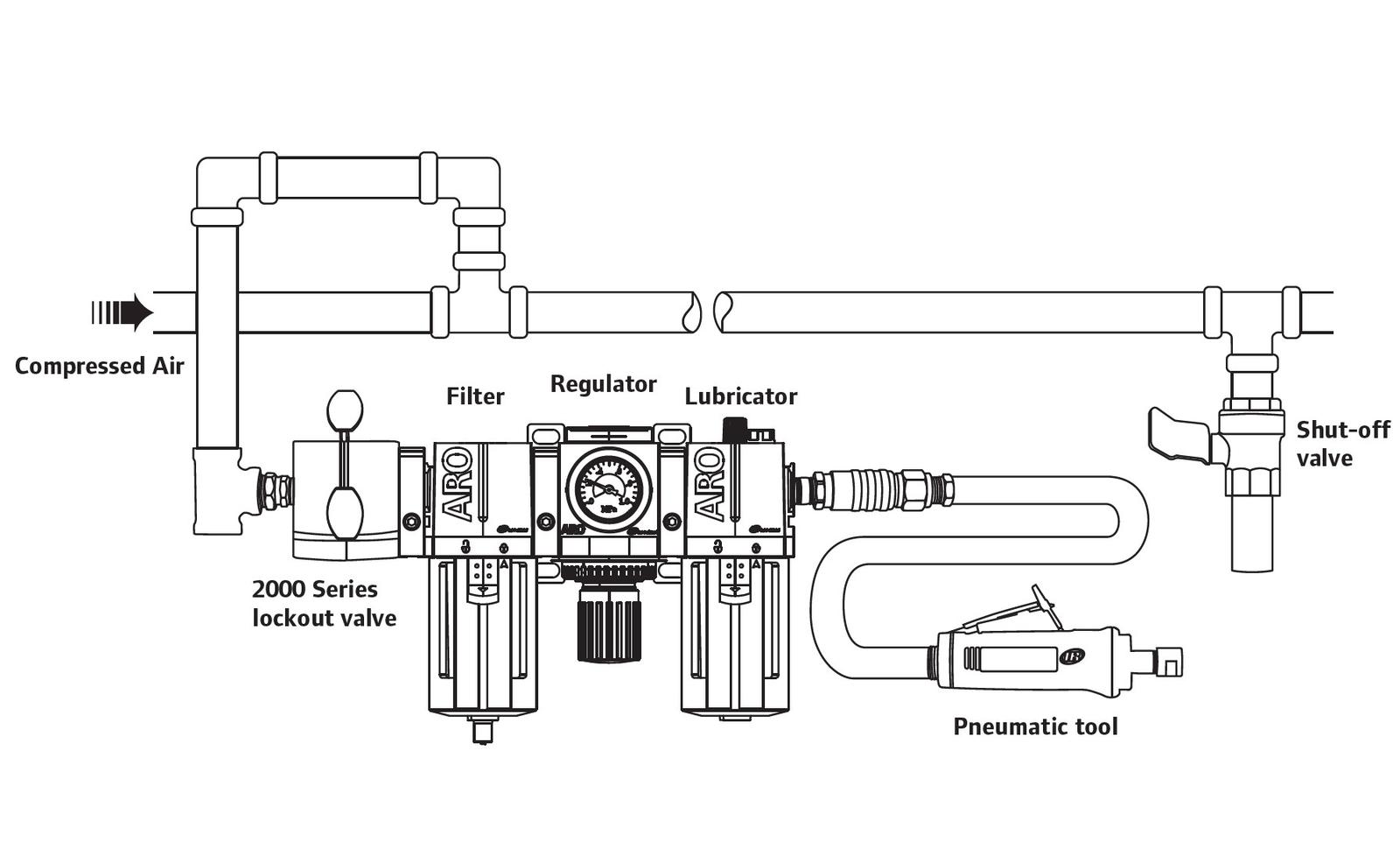
Installing an air regulator is simple when you follow the correct order. The regulator must always be placed after the air filter and before the lubricator. This setup ensures clean air reaches the regulator and stable air reaches the tool.

To install an air regulator:

  • Shut off the air supply using the line shut‑off valve.
  • Mount the regulator in the air line using the correct port size.
  • Place the filter before the regulator to remove water and particles.
  • Install the lubricator after the regulator to protect the pneumatic tool.
  • Confirm the airflow arrow on the body matches the line direction.
  • Tighten fittings with standard torque values to avoid leaks.
  • Reopen the shut‑off valve and check for air leaks.
  • Adjust the knob and lock it when the correct pressure is reached.

Typical setup includes:
Compressed air → FilterRegulatorLubricator → Tool
(As shown in the below image)

This installation order protects tools, stabilizes pressure, and improves system life.

regulator-installation-with-filter-and-lubricator.jpg

FAQ

An air regulator controls downstream pressure in a pneumatic system. It protects tools and keeps performance stable even with changing air demand.