Discover the Top 5 Drum Transfer Mistakes and Learn How to Prevent Them


Transferring liquids from drums, barrels, or IBC containers is a routine operation in many industrial environments—yet it’s also one of the most underestimated sources of inefficiency, product loss, and safety risks.
Whether you’re handling chemicals, food ingredients, oils, or solvents, using the wrong method or equipment can lead to spills, contamination, downtime, and even regulatory issues.
In this article, we break down the top 5 most common mistakes companies make when transferring fluids from drums—and how to avoid them.
The Mistake
Not all fluids behave the same. Yet many facilities use a “one-size-fits-all” pump for completely different substances.
This leads to:
For example, a pump designed for water-like liquids will struggle with viscous fluids like syrups, oils, or resins.
How to Avoid It
Always select your drum pump based on:
Tip: Use a pump selection guide or consult a supplier to match your application precisely.
The Mistake
Many operators overlook safety standards when transferring hazardous or flammable liquids.
This can result in:
How to Avoid It
Choose equipment that meets your industry requirements:Tip: Never compromise safety for cost—non-compliance is always more expensive in the long ru
The Mistake
Pouring, tilting, or manually siphoning liquids from drums is still common in some facilities.
This causes:
How to Avoid It
Switch to a dedicated drum pump system:
Tip: Portable drum pumps are ideal for warehouses or multi-station operations.

The Mistake
Not all drum pumps fit all containers—or integrate easily into existing processes.
Common issues:
How to Avoid It
Before purchasing, verify:
Tip: Look for modular or adaptable systems that can evolve with your setup.
The Mistake
Even the best equipment fails if it’s not properly maintained.
This leads to:
How to Avoid It
Implement a simple maintenance routine:
Tip: Choose pumps designed for easy disassembly and cleaning to save time.

Drum fluid transfer might seem like a basic operation—but the impact of doing it wrong can be significant: lost product, safety incidents, and reduced efficiency.
By avoiding these five common mistakes, you can:
Drum fluid transfer is the controlled movement of liquids from drums or IBC containers.
It improves safety, accuracy, and efficiency in industrial operations.
To help you optimize your drum and IBC fluid transfer processes, here are some proven solutions:

Discover ARO’s durable, hygienic, and customizable drum pumps.
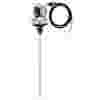
Our metallic and non-metallic pneumatic diaphragm drum pumps are available in three packages: basic, transfer and dispensing providing versatility and options.
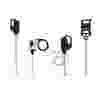
Discover ARO drum pumps for 55-gallon drums and tanks. Pneumatic and electric options for oil, water, and chemicals. Safe, efficient fluid transfers.
If you’re unsure which solution fits your application, start by identifying:
Or reach out to an expert to ensure you select the right equipment the first time.
Reach out to us