Products
Filter Regulator Lubricators
aro-logo-desktop.png

Best Practices for Abrasive Material Transfer

Improve efficiency and reduce wear when moving abrasive fluids

Transferring abrasive materials like adhesives, sealants, mastics, and heavy greases presents unique challenges in industrial material handling. Abrasive particles can wear down pump components, cause inconsistent flow, and lead to costly downtime. Choosing the right abrasive fluid pumps helps maintain production efficiency, reduce maintenance costs, and ensure consistent application quality.

Understanding abrasive material challenges

Abrasive materials contain solid particles that can quickly wear down standard pumping equipment. These include silicone sealants with mineral fillers, construction mastics with aggregates, adhesives containing ceramic or metal particles, and heavy greases reinforced with solid lubricants. These fluids need specialized handling to avoid premature pump damage and maintain reliable performance.

Pumps not designed for abrasive materials wear out quickly. Plungers and cylinders degrade faster, flow becomes inconsistent, seals fail more often, and leaks increase. These issues lead to unplanned downtime, higher maintenance costs, and wasted material — all of which hurt your bottom line.

abrasive-material-transfer-best-practices-img-2.jpg

1. Choose equipment designed for abrasive duty

Not all pumps are built to handle abrasive materials, so it’s important to choose equipment specifically designed for this type of service. Look for abrasive duty pumps with hardened or ceramic coated internal components that resist wear and protect high friction surfaces. ARO piston pumps use ceramic coated plunger rods and cylinder tubes. These reinforced components help maintain sealing integrity, reduce internal friction, and extend service intervals under abrasive conditions.

2. Match pump pressure, flow, and technology to the material

Correctly matching pump pressure and flow rate to the material is critical. Oversized pumps can increase internal velocity and wear. Undersized pumps may struggle to maintain steady flow, leading to pressure spikes and quality issues.

Material viscosity plays a key role in pump selection. Low- to medium-viscosity abrasive fluids, such as coatings or thinner adhesives with fillers, benefit from piston pump designs that deliver smooth, uniform flow with minimal shear. Higher-viscosity materials, including construction sealants, mastics, and heavy greases, require pumps capable of maintaining prime and generating sufficient pressure without disrupting material consistency.

3. Maintain smooth, consistent flow

Flow instability increases internal stress and accelerates wear when handling abrasive materials. Pressure fluctuations and pulsation can also affect application quality, especially in extrusion and dispensing processes. Pump designs with controlled displacement help maintain steady flow, protecting components while improving repeatability at the application point.

4. Implement proper system design

Beyond pump selection, your complete system design affects performance with abrasive materials. 

  • Keep fluid velocity appropriate for your material—too fast accelerates wear, while too slow can cause settling of solid particles. 
  • Use smooth-bore hoses and minimal fittings to reduce turbulence and wear points. 
  • Install fluid pressure regulators to maintain consistent pressure and prevent shock loads that damage components.

5. Establish regular maintenance schedules

Even the most durable equipment requires maintenance when handling abrasive materials:

  • Inspect plunger packings regularly and adjust them using wave spring designs that simplify this task. 
  • Monitor flow rates and pressures for signs of wear affecting performance. 
  • Keep service kits on hand with all necessary parts for fast repairs when needed. 
  • Clean check valves and inspect them for wear, especially with highly abrasive fluids.

Our piston pumps are designed with serviceability in mind—accessible plungers and standardized service kits minimize downtime during routine maintenance.


aro-2-ball-and-chop-check-piston-pumps.png

Recognizing early warning signs of abrasive wear

Catching equipment wear early prevents costly failures and unplanned downtime. Watch for these indicators that your pump may be experiencing abrasive-related issues:

  • Decreasing flow rates at consistent pressure settings often signal internal wear on plunger rods or cylinder walls
  • Pressure fluctuations during operation can indicate check valve wear or seal damage. 
  • Increased air consumption without corresponding fluid output suggests internal leakage from worn seals or packings. 
  • Unusual noise or vibration may point to mechanical wear in moving components.

If you notice any of these signs, inspect your equipment promptly. Early intervention with maintenance or component replacement prevents minor wear from becoming major failures.

Key selection criteria for abrasive material transfer

Choose pumping equipment based on: 

  • Material compatibility with your specific fluid chemistry and abrasive content. 
  • Flow rate requirements to match your production demands—from localized dispensing to high-volume bulk transfer. 
  • Pressure needs based on your material viscosity and system design. 
  • Duty cycle expectations—continuous 24/7 operation requires more robust equipment than intermittent use.

Where ARO piston pumps fit into abrasive material handling

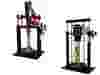
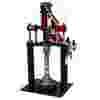
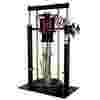
ARO piston pumps are engineered to support manufacturers working with sealants, adhesives, and other abrasive, high-viscosity materials. Technologies such as 2-Ball and Chop-Check piston pumps address different viscosity ranges and application needs. Both pump types are available as complete, ready-to-install packages, helping reduce setup time and ensure system compatibility from day one. 

Understanding the investment

When evaluating pumping equipment for abrasive materials, consider the complete cost picture beyond the initial purchase price. A standard pump might cost less upfront, but frequent seal replacements, worn plunger rods, and unplanned downtime quickly add up. Equipment designed for abrasive service typically requires replacement parts half as often.

Factor in your labor costs for maintenance, the value of lost production during repairs, and material waste from inconsistent flow. Many operations find that abrasive-rated equipment pays for the price difference within the first year through reduced downtime alone. The longer service intervals and extended component life continue delivering savings throughout the equipment's lifetime.

Getting Expert Support

Every operation has unique requirements based on materials, production volumes, and application methods. Working with experienced fluid handling specialists ensures you select equipment matched to your specific needs.
Our technical team brings decades of experience supporting operations that work with challenging, high‑viscosity and abrasive materials. We review your complete application requirements—from material properties to production goals—and provide tailored recommendations that maximize reliability and minimize total cost of ownership.

Whether you're handling thick construction sealants, adhesives and sealants, or heavy industrial lubricants, the right pumping solution keeps your operation running smoothly.

Contact us to discuss your abrasive material handling challenges, request a quote for your specific application, or find a local dealer for hands-on support.

abrasive-material-transfer-best-practices-img-4.png