

Reach out to us
High-volume fluid handling is essential for maintaining production efficiency and throughput. When operations require moving large quantities of paints, chemicals, coatings, or other low- to medium-viscosity materials, having a reliable pumping solution ensures consistent performance and keeps production schedules on track.
Select the right range:
Built for High-Volume Applications
ARO 4-ball piston pumps support high-volume operations with dependable, continuous performance. Designed for materials up to 12,500 cPs and flows up to 149 liters (32.8 gpm), they deliver smooth, consistent output on every stroke. Robust material options allow these pumps to handle diverse fluids while helping keep production predictable and efficient.
Where 4-Ball Pumps Deliver Best

Transfer & Supply
Move high volumes of paints, chemicals, varnishes, enamels, and lacquers efficiently. Flow rates up to 149 liters (32.8 gpm) minimize time spent filling or emptying large containers, keeping production lines supplied without delays.

Recirculation Systems
Circulate fluids continuously from original containers to application points and back, maintaining material consistency throughout production while reducing waste.

Bulk Material Handling
Transfer large quantities of coatings and industrial fluids between storage tanks, supply vessels, and production equipment.

Feeding Process Equipment
Provide steady, reliable material supply to mixers, reactors, spray systems, and other downstream equipment requiring continuous flow.
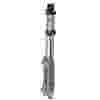
Medium Flow / Standard Production 4-Ball Pumps
Use case: Continuous process feeding, recirculation, chemical supply lines.
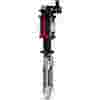
High Flow / High-Capacity 4-Ball Pumps
Use case: Large-scale transfer, tank-to-tank movement, high-demand production supply.
AF0603 Series 4-Ball Piston Pumps
- 3:1 Ratio
- Max Flow: 29.3 GPM (110.8 l/min)
- Max Fluid Pressure: 457 psi (31,5 bar)
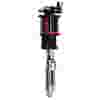
AF0805 Series 4-Ball Piston Pumps
- 5:1 Ratio
- 8" Air Motor
- Max Flow: 32.8 GPM (124 l/min)
- Max Fluid Pressure: 702 psi (48.8 bar)
What Sets These Pumps Apart?
- High-Flow Double-Acting Technology
Four-ball valve design combined with double-acting operation creates fluid movement on both pump strokes. This delivers nearly twice the flow rate compared to single-acting designs, maximizing throughput for time-sensitive operations where transfer speed directly impacts productivity. Learn more about the piston pump motor technology here. - Material Compatibility for Industrial Fluids
Stainless steel lower end construction handles water-based and corrosive formulations. When your process involves abrasive materials, standard ceramic coating on plunger rods and cylinder tubes provides enhanced wear resistance, extending component durability. - Pneumatic and Hydraulic Options
Available with pneumatic air motors or hydraulic motor configurations, providing flexibility to integrate into your existing facility infrastructure without requiring new power source installations. - Simplified Maintenance Approach
Universal valve block design means serviceable components work across different motor sizes, reducing spare parts inventory. Interchangeable parts speed up maintenance procedures and minimize equipment downtime when service is needed. - Support Throughout Your Operation
Our application specialists work with you to determine the right pump specifications based on your fluid properties, desired flow rates, and operating pressures. From selection to installation and ongoing operation, we provide guidance to help optimize your fluid handling processes.
Dependable Performance, Day After Day
ARO 4-ball piston pumps are built for reliable, easy-to-maintain operation that reduces downtime, minimizes waste, and helps maintain consistent application quality. Combined with ARO’s technical guidance and support network, we deliver a fluid handling solution you can trust every day. Connect with us for application-specific recommendations, pricing, or to find your local ARO distributor.
.jpg?format=pjpeg&width=100&quality=10)
Find your piston pump in just a few clicks!
Use our Piston Pump Selector Tool to find pumps that match your exact requirements. Optimize performance and reliability by choosing the right pump for your process with ARO.
Resources

ARO 4-Ball Piston Pump Catalog
Accessories
Explore our range of fluid regulators, inlet/outlet accessories, service kits, valves, cylinders and mounting accessories to customize your piston pump. ARO offers a variety of spare parts and accessories to facilitate fluid transfer, reduce pulsation, and enhance your piston pump.

Piston Pump Accessories

Piston Pump Motor, Discover ARO Technologies today!
A piston pump motor is the driving force behind a piston pump — a type of positive displacement pump that moves fluids using a back-and-forth motion.

ARO Product Park
The ARO Product Park application showcases our air operated diaphragm pumps, electric diaphragm pumps and piston pumps like never before. With the app, you can view ARO pumps in full detailed operation.
Piston Pumping Fundamentals
The versatility ofpiston pumps is unmatched as they can be used in a seeminglyendless array of applications and pumping solutions.

ARO Piston Pump Packages

Why flow stability matters in adhesive production
Your formulation hasn't changed. Your process parameters look identical. Yet one batch passes quality control with flying colors while the next gets rejected for inconsistent viscosity or trapped air bubbles. The real issue? Unstable flow during transfer and dispensing.