
Why flow stability matters in adhesive production
Your formulation hasn't changed. Your process parameters look identical. Yet one batch passes quality control with flying colors while the next gets rejected for inconsistent viscosity or trapped air bubbles.
The real issue? Unstable flow during transfer and dispensing.
For adhesive manufacturers operating on tight margins, batch failures don't just waste material—they trigger costly downtime, customer complaints, and rushed investigations. The root cause often isn't your chemistry—it's pumping equipment that can't deliver the consistent, smooth flow your production process demands.
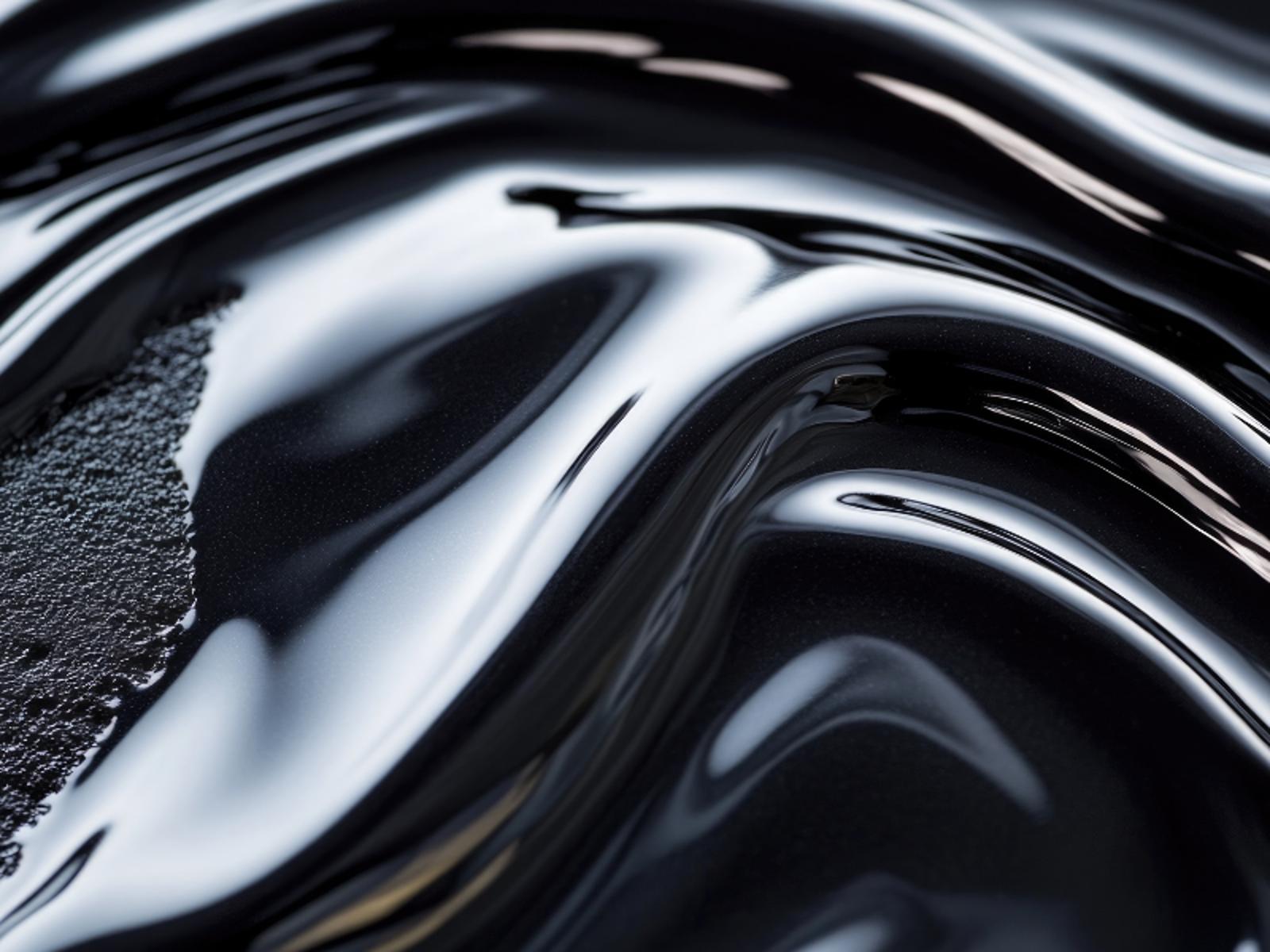
The hidden problem: when flow goes wrong
Air bubbles in finished adhesive products aren’t just cosmetic—they weaken bond strength, create visible flaws in clear sealants, and make dispensing unpredictable. The main culprit is unstable, pulsating flow during material transfer and dispensing. Each pressure spike and drop can draw air into your adhesive, especially in high-viscosity materials, leading to trapped bubbles that compromise quality.
This challenge is particularly critical when working with synthetic adhesives, solvent based adhesives, hot melt adhesive formulations, or reactive adhesives, where flow instability can directly alter curing behavior and bond strength.
Once air enters the manufacturing process, maintaining batch consistency becomes nearly impossible. Pressure variations and uneven shear conditions cause changes in viscosity and material properties from one portion of the batch to another, affecting the final product quality. These effects can also vary depending on the presence of organic compounds within the adhesive formulation.
What unstable flow is costing you
The real cost of flow instability extends far beyond scrapped batches:
• Material waste from rejected batches
• Extended cycle times while confirming specs
• Unplanned downtime from pump failures
• Customer complaints due to inconsistent products
• Lost capacity investigating recurring quality issues
For manufacturers running 24/7 production, even small improvements in flow consistency can translate into significant cost savings. Customers often report reduced waste, fewer rejected batches, and smoother operations when flow stability is improved.
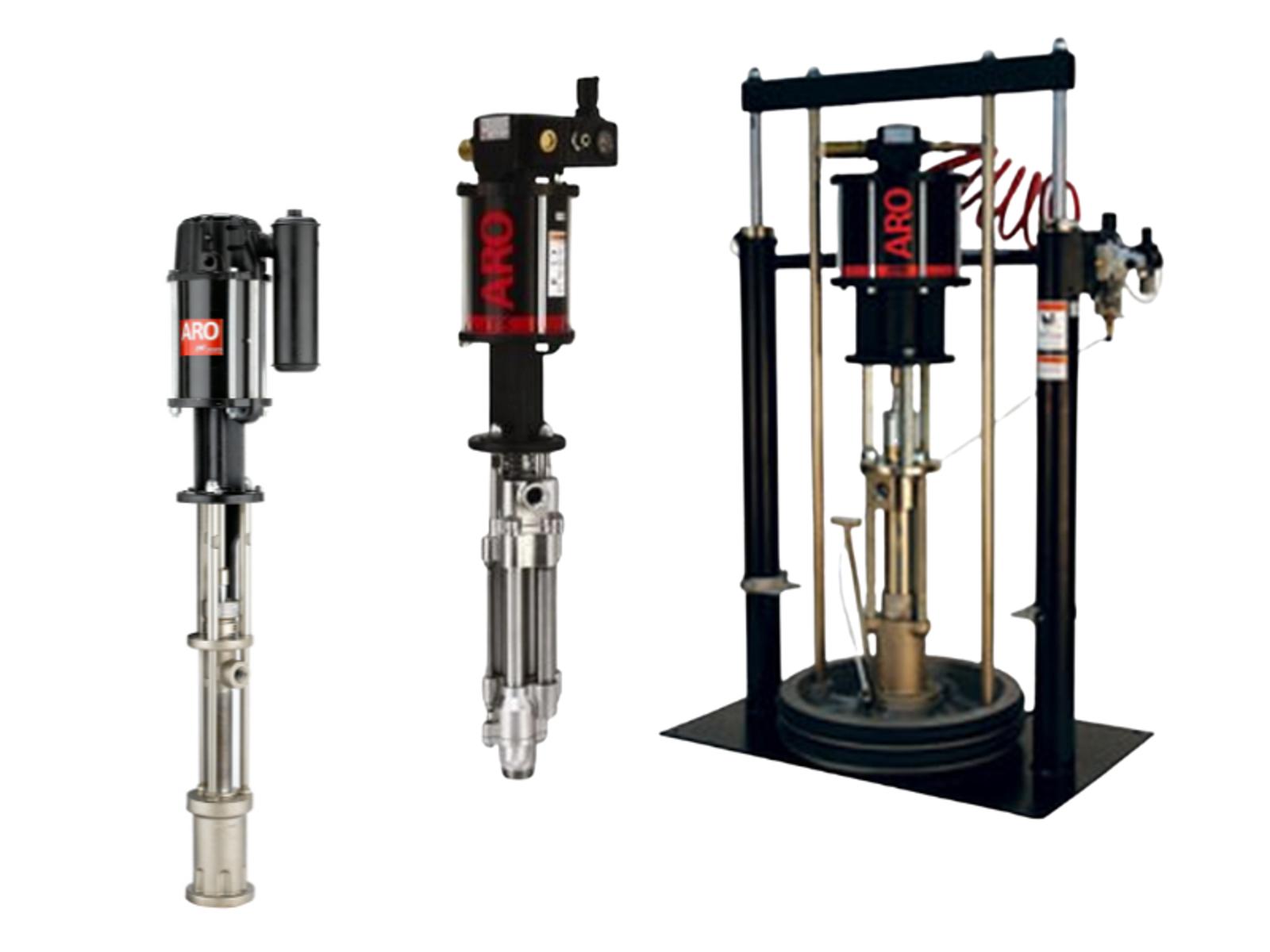
How ARO piston pumps deliver flow stability
Moving high-viscosity materials is easy—moving them smoothly and air-free is the real challenge. Materials ranging from 50,000 to over 1,000,000 cPs require pumps that maintain consistent displacement and pressure. ARO piston pumps achieve this with rigid, precision-engineered components, delivering near pulse-free operation even with thick, tacky, or abrasive adhesives. Proper material selection for pumps and components is also important to ensure compatibility and long-term performance.
Why this matters for your production
Consistent Pressure = No Air Entrainment
Smooth, pulse-free flow prevents the vacuum effects that draw air into your adhesive during transfer, ensuring high quality results across all adhesive applications.
Predictable Displacement = Batch Consistency
Every portion of your batch experiences highly consistent pumping conditions, eliminating within-batch variations and protecting raw material investments.
Rigid Components = Long-Term Reliability
Precision-machined parts maintain high performance over extended production runs, reducing maintenance frequency and unplanned downtime.
Purpose-built piston pumps for adhesive production
ARO has been engineering fluid handling solutions since 1930, and our piston pumps are specifically designed to handle the unique challenges of adhesive and sealant production:
Handle materials from 15,000 to over 1,000,000 cPs with flow rates up to 12.2 gpm (46.3 L/min). The mechanical flat check design cuts through stringy, tacky materials that clog other pumps, while high-ratio models generate the pressure needed for thick adhesives and structural sealants.
Ideal for: Polyurethanes, epoxies, MS polymers, thick construction adhesives
Excel with low to medium-viscosity materials up to 100,000 cPs, delivering flow rates up to 18.1 gpm (68.6 L/min). Minimized friction points protect shear-sensitive formulations like acrylics and polyurethanes from damaging high shear conditions, while optional ceramic coating extends service life with abrasive materials.
Ideal for: Acrylic adhesives, water-based formulations, medium-viscosity sealants, eco friendly adhesive systems, synthetic adhesives
Provide double-acting pumping for high-volume bulk transfer of low to medium-viscosity materials up to 12,500 cPs. Stainless steel construction resists corrosion from water-based adhesives and prevents unwanted chemical reaction, while standard ceramic-coated components deliver extended service life with abrasive fluids.
Ideal for: High-volume transfer, water-based adhesives, low-viscosity bulk dispensing
Measurable results from improved flow stability
- Reduced cycle times – Predictable batch completion without troubleshooting
- Higher first-pass quality – Fewer rejections, less rework
- Lower material waste – Every batch meeting spec eliminates disposal costs
- Extended equipment life – Fewer moving parts mean longer service intervals
- Improved profitability – Reduced waste and faster cycles directly boost your bottom line
Ready to solve your flow stability challenge?
ARO's team brings deep expertise in solving adhesive and sealant pumping challenges. We understand the specific demands of your materials and can match your application with proven pump solutions designed for reliable 24/7 performance across all adhesive applications and manufacturing process requirements.
- Explore our complete adhesive & sealant solutions
- Speak with our technical team to get a tailored recommendation for your application
Reach out to us